Certification with a Mission
Find out what sets the Rainforest Alliance’s certification, verification and validation team apart. Watch the video »
Find Certified Products
Finding Rainforest Alliance Certified™ products just got a whole lot easier. Visit Shop the Frog »
Certify Your Farm
Rainforest Alliance Certified™ Farms
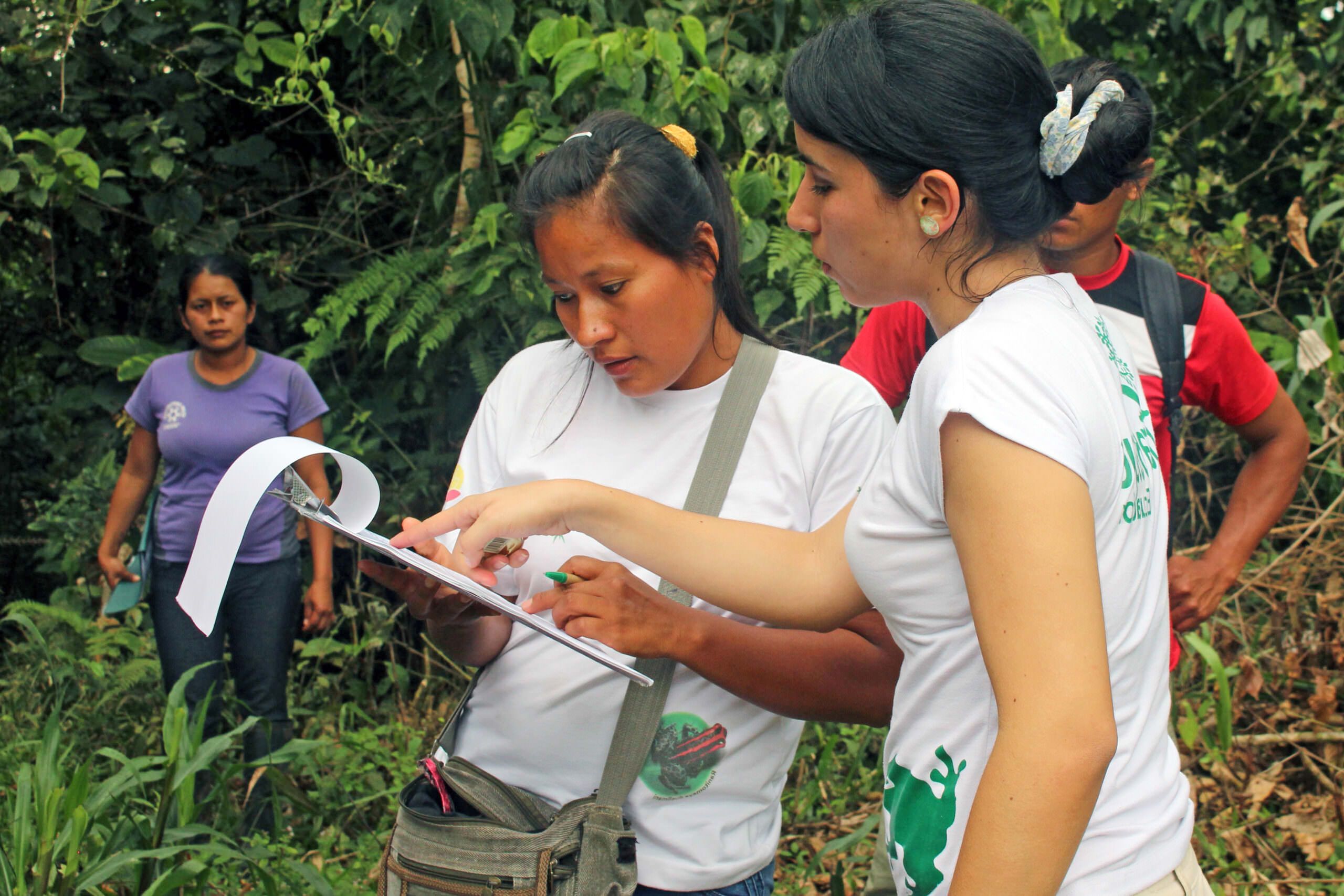
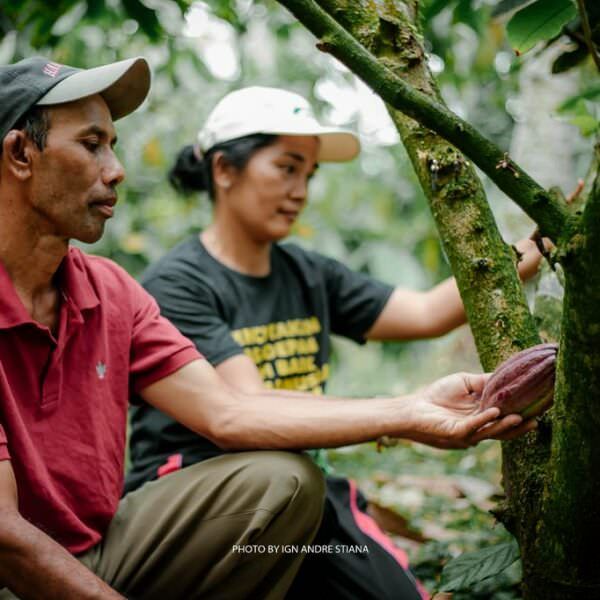
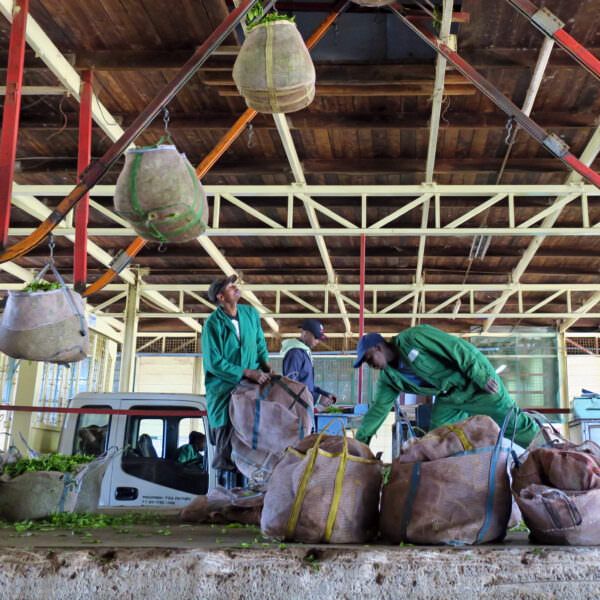
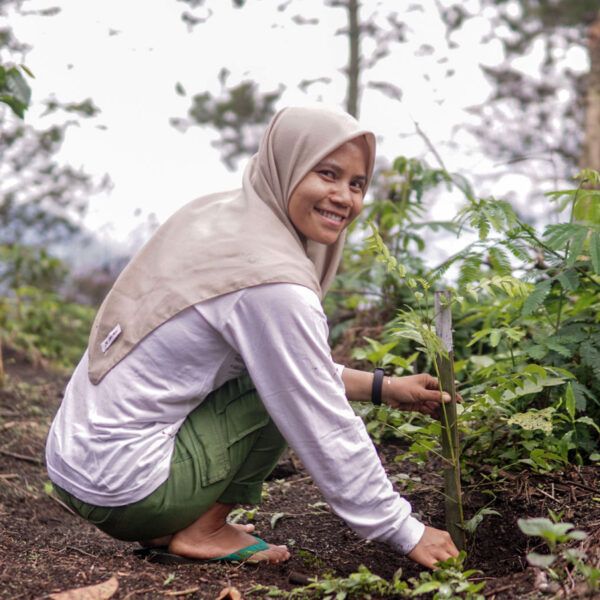
More than two million farmers, farm workers and their families directly benefit from Rainforest Alliance certification. Farmers tell us that meeting the criteria is a challenge but doing so helps them farm intelligently, gain confidence, get ahead and plan for their futures.
Rainforest Alliance Certified™ farms meet the comprehensive standards of the Sustainable Agriculture Network (SAN), a coalition of nonprofit conservation organizations, which address social, economic and environmental criteria. Certified farms and companies that source products or ingredients from certified farms are eligible to use the Rainforest Alliance Certified green frog seal, if they meet our guidelines.
Get Certified
If your farm is located in Costa Rica, Nicaragua, Panama, Peru, Bolivia, the Caribbean, Africa or Asia, please contact RA-Cert, the auditing division of the Rainforest Alliance.
If your farm is located in another country, please visit Sustainable Farm Certification, Intl. (SFC).
For additional guidance on the certification process, please refer to our Sustainable Agriculture Certification Manual [PDF].
Learn More
Which products can be certified?
Over 100 crops can be certified according to the environmental and social standards of the Sustainable Agriculture Network.
How does certification work?
The certification standards guide farmers toward sustainable farm management and give independent auditors a concrete measure by which to evaluate social and environmental improvements. Farms that meet the standards are awarded the Rainforest Alliance Certified seal of approval, a prestigious badge that can be used to market products.
What are the criteria for a farm to obtain certification?
To earn certification, a farm must meet the standards of the Sustainable Agriculture Network.
What makes Rainforest Alliance certification different from other certification systems?
Rainforest Alliance certification is built on the three pillars of sustainability -- environmental protection, social equity and economic viability. No single pillar can support long-term success on its own, so we help farmers succeed in all three areas. Since 1992, when it began in Costa Rica, the certification program has spread to 25 tropical countries around the world where the well-being of millions of farmers and workers and countless wildlife species is at stake. More than two million farmers, farm workers and their families directly benefit from Rainforest Alliance certification. They tell us that meeting the criteria is a challenge but doing so helps them farm intelligently, get ahead, gain confidence and plan for their futures. While we support many initiatives dedicated to conservation and social justice, our experience, mission and grassroots strength combine to distinguish Rainforest Alliance certification from other agricultural certifications. Learn more in our fact sheet, The Rainforest Alliance Certified Difference.
Does Rainforest Alliance certification require a farm to be organic?
Organic agriculture is an important, worldwide movement to make farms productive without the use of synthetic pesticides and fertilizers. Sustainable Agriculture Network (SAN) standards are based on an internationally recognized integrated pest management model, which allows for some limited, strictly controlled use of agrochemicals. SAN standards emphasize two important goals: wildlife conservation and worker welfare. Farmers certified by the Rainforest Alliance do not use agrochemicals prohibited by the United States Environmental Protection Agency and the European Union, nor do they use chemicals listed on the Dirty Dozen list of the Pesticide Action Network North America. Managers of certified farms are required to use biological or mechanical alternatives to pesticides whenever possible. When farmers determine that agrochemicals are necessary to protect the crop, they must choose the safest products available and use every available safeguard to protect human health and the environment.
Certification approaches farming in a holistic manner, and we have demonstrated that these standards afford a realistic and effective way for farms of all sizes to move toward independence from agrochemicals.
How is the program financed?
In addition to funding from private foundations, government grants and individual donors, the Rainforest Alliance and Sustainable Agriculture Network also began implementing a participation fee for companies on October 1, 2010. The fee is levied on the volume of Rainforest Alliance Certified™ goods traded in the marketplace. The Participation Fee is $.015 (USD) -- or one and one-half cents of US Dollar -- per pound (lb) of green coffee that is registered on the marketplace.
Coffee importers are the party responsible for paying the Participation Fee, not the farmers. For coffee sold in producing countries the Participation Fee will be paid by the first buyer after shipment.
Farmers pay per diem and travel expenses for technicians and auditors. As these visits are performed by local organizations, the costs are often lower than in other certification systems. Smallholders may organize an internal management system and seek certification as a group, thus reducing auditing and administrative costs.
Is there a market for Rainforest Alliance Certified products?
The green frog in the Rainforest Alliance seal is now seen in countless markets, cafes, restaurants and offices around the world. Smart shoppers everywhere are looking for ecolabels and demanding groceries from responsibly managed farms. Trendsetting food companies and supermarkets are interested in knowing more about how their products are grown -- where and by whom -- and with what social and ecological consequences. There is a growing consensus that certification is an effective way to ensure the establishment and enforcement of management practices that protect the environment, the rights of workers and the interests of local communities. The Rainforest Alliance and its partner groups are raising public awareness about the interdependence between conservation and agriculture.
The Rainforest Alliance Certified seal stands for sustainability. The term "sustainable," once used primarily among conservation groups and development agencies, has now seeped into the public consciousness as shorthand for all the things that we do to fight poverty and pollution and protect the Earth's resources today for the benefit of our children. Sustainability also describes a means of reducing costs and improving profits. As this "people, planet and profits" message spreads throughout the marketplace, demand for goods from sustainable farms will continue to grow.
Is financing available to help my farm meet certification standards?
Financing opportunities are available through Finance Alliance for Sustainable Trade.
What is the relationship between the Rainforest Alliance, the SAN and SFC?
The SAN does not perform audits; rather members of the SAN, including the Rainforest Alliance and their subcontractors, do this work. RA-Cert is the division of the Rainforest Alliance that is responsible for scheduling and conducting audits to the SAN standards in Costa Rica, Nicaragua, Panama, Peru, Bolivia, the Caribbean, Africa and Asia. Farms in all other areas of Latin America are audited by other inspection bodies working under SFC. All farms that meet the SAN standards, regardless of which organization conducts the audit, are Rainforest Alliance Certified™ and can use the Rainforest Alliance Certified seal. Companies that source products or ingredients from certified farms can also use the seal if they meet our guidelines.
Certification with a Mission
Find out what sets the Rainforest Alliance’s certification, verification and validation team apart. Watch the video »
Find Certified Products
Finding Rainforest Alliance Certified™ products just got a whole lot easier. Visit Shop the Frog »