Our Coffee JourneyWith Nespresso
Nespresso and the Rainforest Alliance have long shared the belief that the quality of a cup of coffee is not just defined by its flavor, but also by the impact it has on people and nature.
A Changing Climate
For many of us, starting our day with a cup of coffee is an essential part of our routine. But the future of one of the world’s most beloved drinks is far from certain. As climate change transforms the world as we know it, we risk losing so many of the everyday things we have come to take for granted.
Rising temperatures in coffee-growing regions have triggered a range of problems for coffee farmers—from plant diseases like roya (leaf rust) to changing weather patterns and unstable prices. For the millions of small-scale farmers who depend on coffee to support their families, this could mean giving up on their crops altogether.
The bottom line
It’s time to urgently re-think how we produce coffee.
With conventional farming methods responsible for around one-quarter of human-made greenhouse gas emissions, farming has a vital role to play in the global climate solution. That’s why Nespresso has set a bold target to transition Nespresso Sustainable Quality Plan farms to regenerative agriculture, with the goal of sourcing 95 percent regenerative from those farms by 2030.
Together with farmers
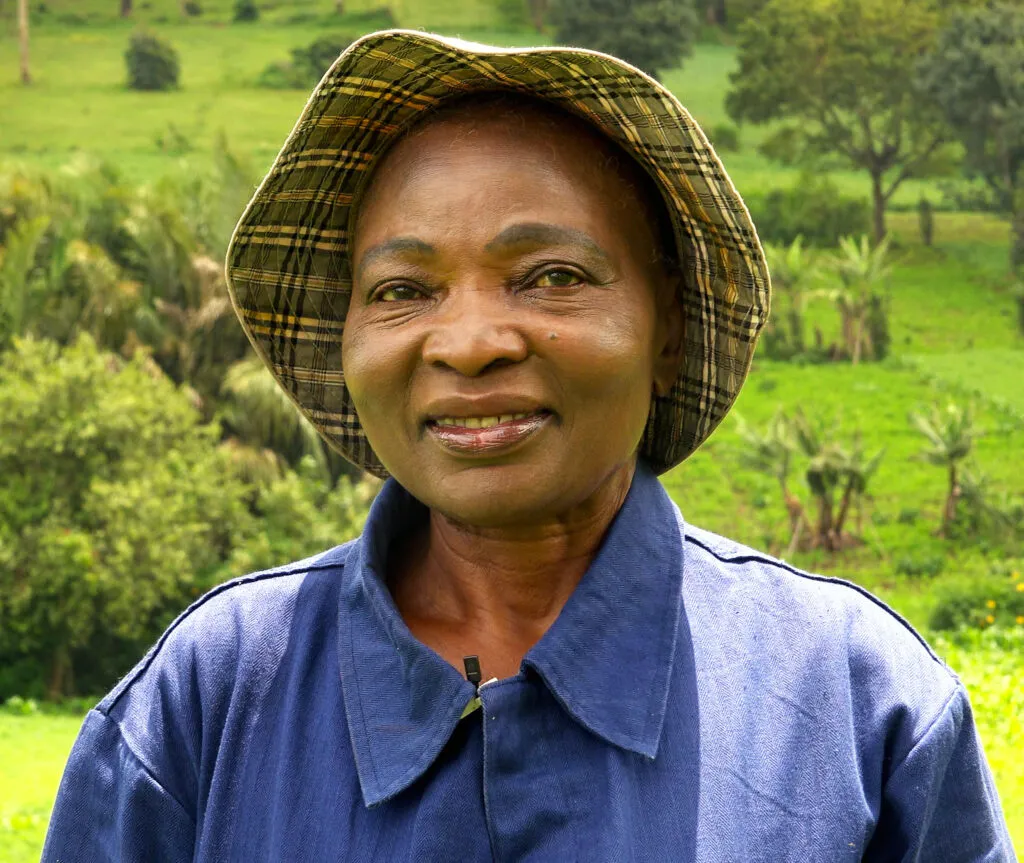
A coffee farmer in Costa Rica shares how regenerative agriculture has transformed her farm into a haven for nature
With regenerative agriculture, you can see a change…By working with the trees you see more foliage, more green, and there are many little animals..
Yamileth Chacón, coffee farmer
Coffee in harmony with nature
What if coffee could be grown using farming practices designed to support healthy soils, biodiversity, and farm resilience, while helping farmers strengthen their livelihoods? This is the aim of regenerative agriculture—an approach that focuses on practices intended to maintain and improve soil health, support biodiversity, and promote the long-term productivity of agricultural land.
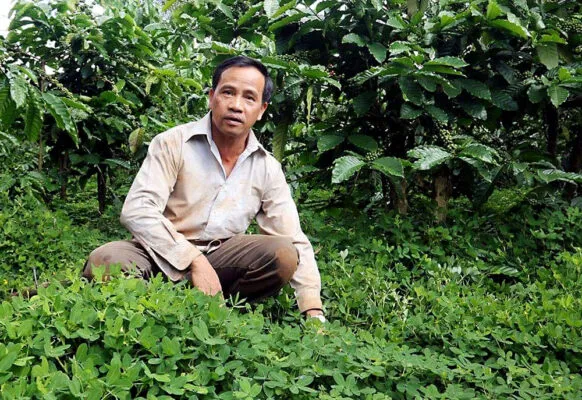
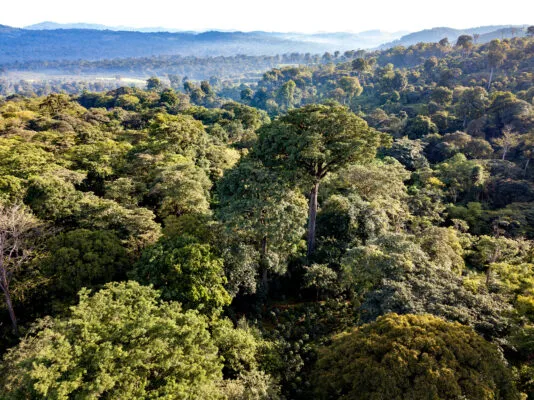
In coffee farming, these practices can include growing coffee plants under the shade of taller trees. Shade trees give the coffee cherries a chance to slowly ripen and improve their flavor, while their fruits attract natural predators of coffee pests which can in turn reduce the need for certain agricultural inputs. By supporting farming practices that seek to protect natural resources and strengthen farm resilience, regenerative agriculture can contribute to the long-term sustainability of coffee production.
What is Regenerative Agriculture?
We consider sustainability to be a journey—and for us, the final destination is regeneration. Find out more >

Nespresso and the Rainforest Alliance—20+ years of partnership
Back in 2003, the Rainforest Alliance partnered with Nespresso to develop their Nespresso Sustainable Quality Plan (previously known as the AAA Sustainable Quality™ Program). Aimed at helping farmers cultivate high-quality coffee, boost their yields, and build resilience, the Nespresso Sustainable Quality Plan provides farmers with technical support from an expansive network of agronomists as well as a premium for their harvest.
Through long-standing collaboration with farmers, and other partners along the supply chain, the Nespresso Sustainable Quality Plan promotes the adoption of sustainable agricultural practices, like reducing pesticides and planting shade trees—techniques that nurture biodiversity while improving the productivity and quality of harvests. Since 2014, the program has had a strong focus on innovation—always looking for new ways to tackle urgent challenges faced by coffee-growing communities, such as climate change and price volatility.
Pioneering a new approach to regenerative agriculture in coffee, the Rainforest Alliance and Nespresso developed the Coffee Regenerative Agriculture Scorecard, helping define and assess regenerative practices on coffee farms. Building on the lessons learned from the scorecard, the Rainforest Alliance went on to develop the Regenerative Agriculture Standard, providing a science-based certification framework for regenerative coffee production.
Certification at Nespresso
We’re committed to a better future for coffee—and we believe regenerative agriculture can help us get there. For many farmers, the transition to regenerative practices can seem daunting, which is why, above all, we emphasize that this is a journey we’re taking together.
In 2025, Nespresso sourced 40% of its coffee from Rainforest Alliance certified farms. Due to evolving regulatory requirements regarding sustainability seals, Nespresso will transition away from using the Rainforest Alliance Sustainable Agriculture Standard seal on product packaging. Nespresso remains committed to regenerative agriculture and became the first company to purchase coffee certified under the Rainforest Alliance Regenerative Agriculture Standard, marking another milestone in the long-standing partnership between the two organizations.