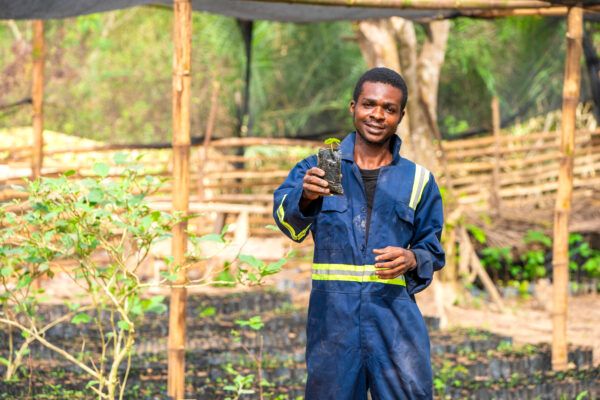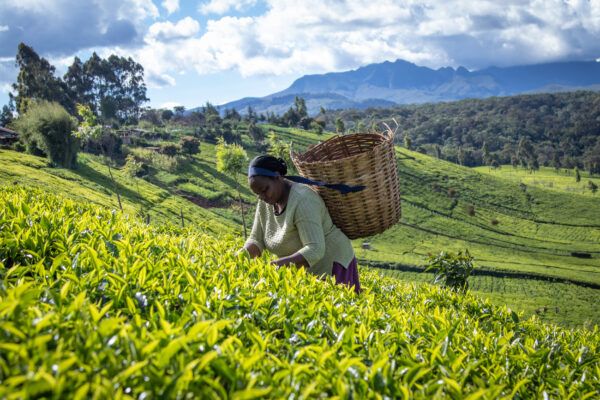
The CRECE study analyzes the impact that the Nespresso AAA Sustainable Quality™ Program has had in the lives of coffee farmers in Colombia during the period 2009 to 2011. The objectives of the study were to determine: 1) the difference the AAA Program is making in terms of sustainability, 2) whether environmental practices impact farm results, 3) whether AAA farmers have higher levels of income and productivity and 4) whether benefits apply equally to small farmers. Download the full executive summary »
This report summarizes the work of the Rainforest Alliance Sustainable Tourism Program, supported by the Inter-American Development Bank’s Multilateral Investment Fund (IDB/MIF). The document includes a brief of the strategies implemented to promote sustainable management practices among tourism businesses and tour operators in Latin America, to enhance their competitiveness and international exposure and to raise consumer awareness and demand for sustainable tourism services. It also quantifies the results achieved from 2007 to 2011.
The World Resources Institute and the Forest Legality Alliance studied mahogany that was sourced from small community-run forestry cooperatives in Honduras' biodiversity-rich forests, examining two approaches to minimizing the risk to importers of sourcing illegal wood. The first approach involved establishing strong relationships with suppliers and the second was to prefer certified wood. Among other things, the study found that chain-of-custody certification was a useful tool for enhancing assurances of legality.
This literature review aims to identify climate‐friendly agricultural practices for coffee, cocoa, and tea that (a) reduce emissions of greenhouse gases (GHGs) from the use of land, machinery and chemicals, (b) lead to an increase of on‐farm carbon stocks, and/or (c) improve the resilience of agro‐ecosystems and farming communities to adapt to a changing climate, compared to local, business-as-usual practices (BAUs). This comparison is based on surveys of the scientific data related to GHGs and carbon storage, as well as predictions from models.
While some consider cocoa certification an adequate tool to promote sustainability in the cocoa value chain and improve farmer livelihoods, other actors are less optimistic about the net benefits that certification offers at the farm level and highlight its investment burden for farmers. To provide more clarity to this debate, KPMG was commissioned by The International Cocoa Organization to conduct a qualitative and quantitative study on the costs and benefits of certification.