Environmental Curriculum for Schools
Rainforest Alliance Lesson Plans
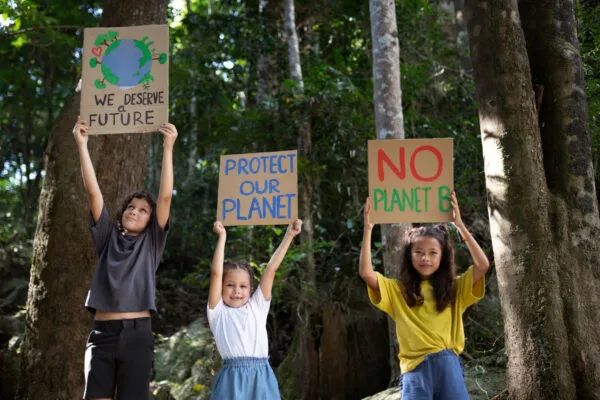
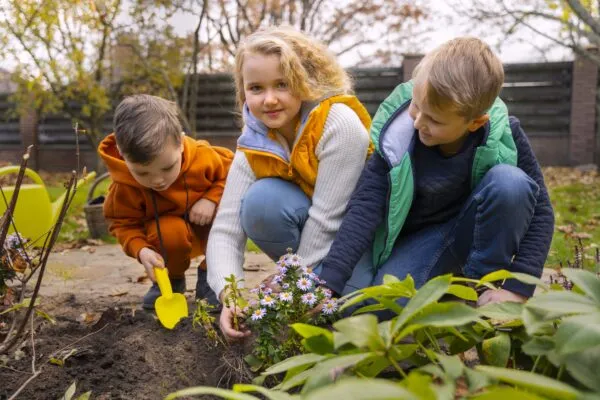
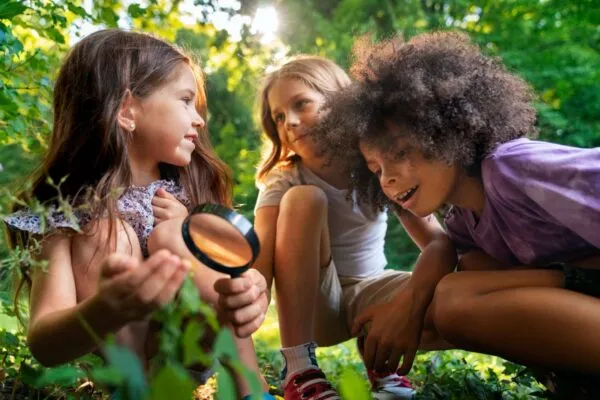
Welcome, teachers! Explore our free environmental curriculum for early learners to high schoolers (ages 5-18). We have downloadable lesson plans-with videos, quizzes, worksheets, and math and art tie-ins—to inspire young learners to understand and care for nature.
Ages 5-8
Discover the wonders of the rainforest through playful stories and hands-on activities that spark curiosity about the environment.
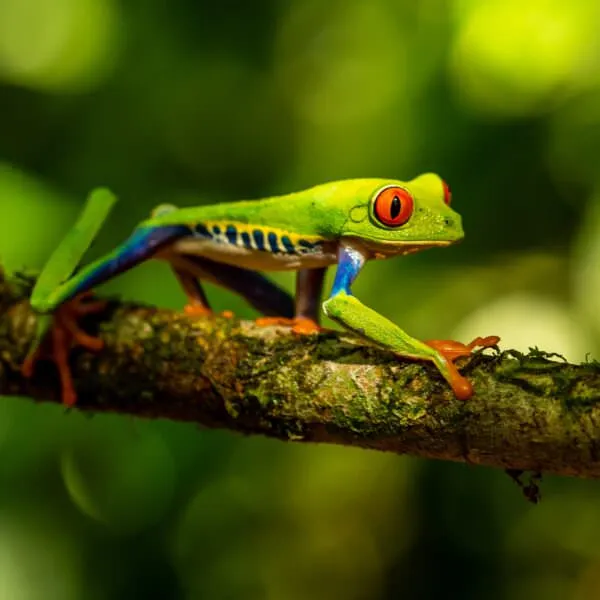
What Animals Live in the Rainforest?
Students meet animals like the red-eyed tree frog, sloth, and jaguar—and explore the four layers of the rainforest.
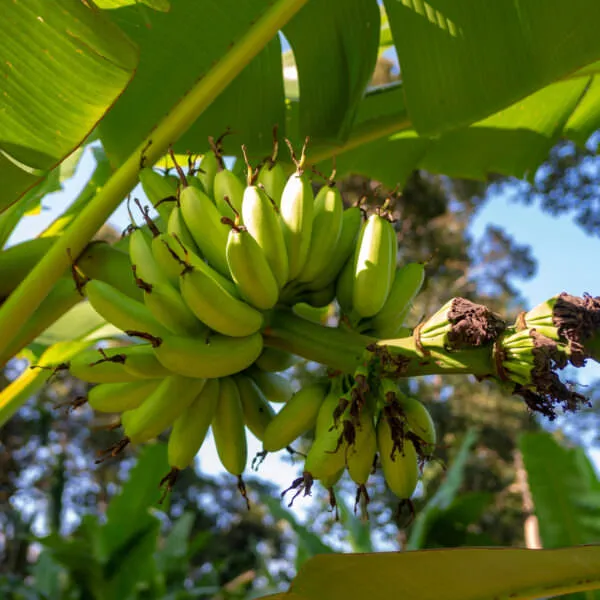
Fruits from the Rainforest
Discover the connection between rainforests and our favorite foods, like bananas, chocolate, and oranges.
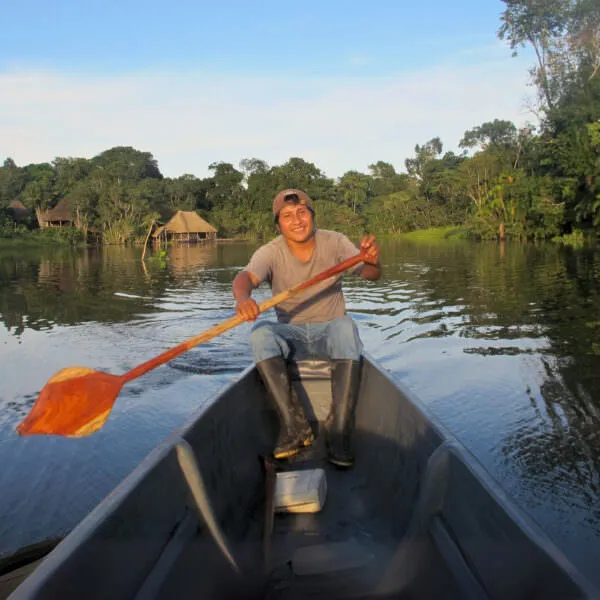
People of the Rainforest
Meet rainforest communities and discover their deep connection to nature. Introduce young students to the idea of interdependence.
Ages 8-11
Meet the animals that live in the rainforest, discover the threats they face—like deforestation—and what we can do to help.
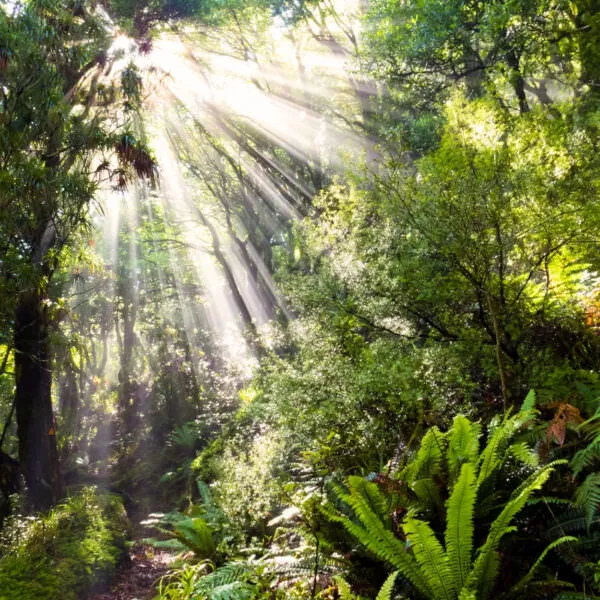
The Layers of the Rainforest
Navigate the layers of the rainforest—emergent, canopy, understory, and forest floor—and meet the animals who live there.
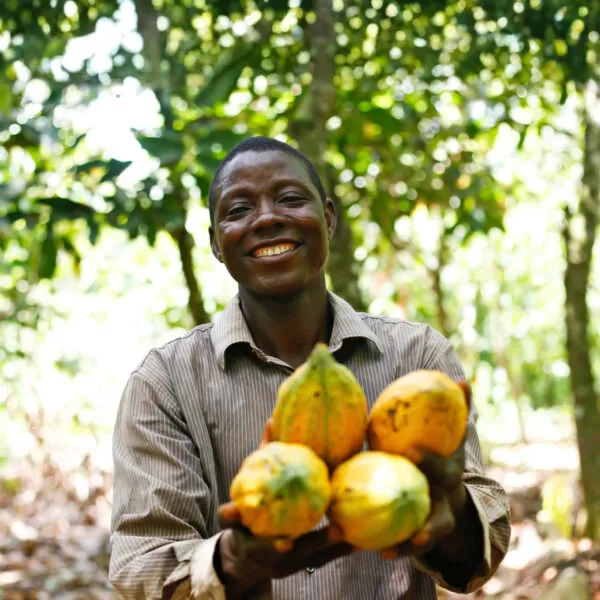
Farming in Harmony with Nature
Learn how shade-loving crops, like cocoa, can protect forests. And discover how Indigenous communities use the solar calendar to guide planting.
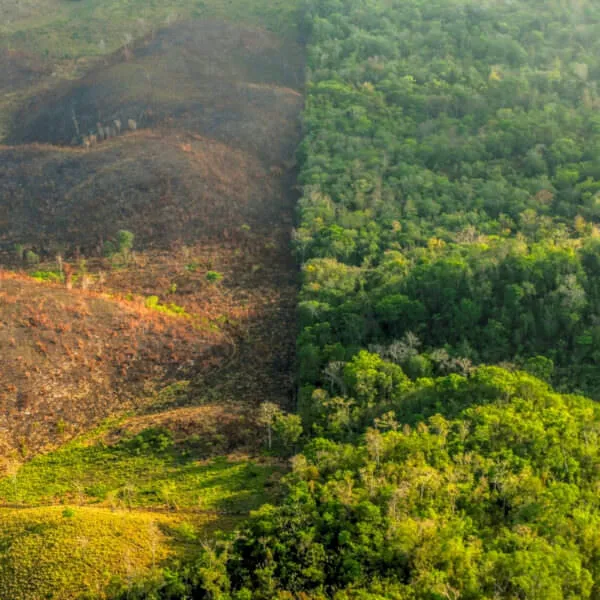
How Can We Protect the Rainforest?
Uncover the causes of deforestation and learn how our everyday actions can help protect rainforests and tropical forests around the world.
Ages 11-14
Investigate urgent environmental challenges—from biodiversity loss to climate change—and develop critical thinking skills to imagine creative solutions.
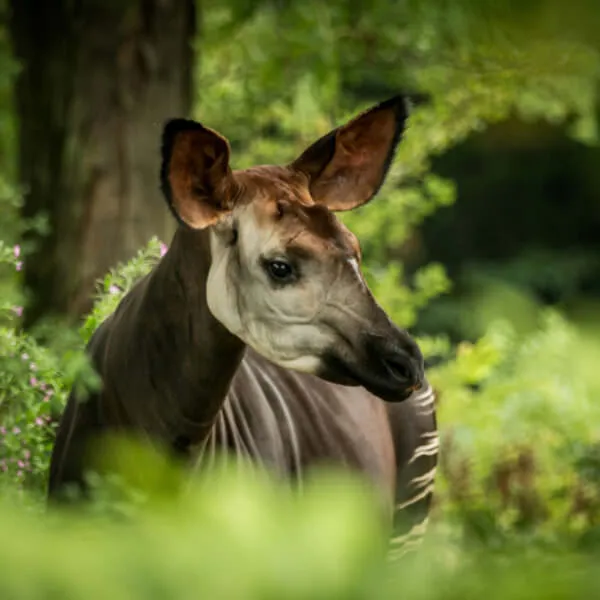
Endangered Rainforest Animals
Meet some of the rainforest’s most threatened species. Explore why they are endangered and conservation strategies to protect them.
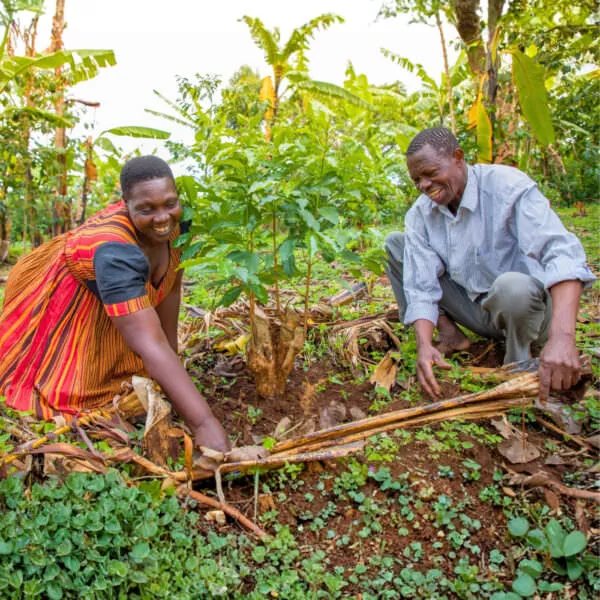
Traditional vs. Modern Farming
Explore how traditional Indigenous farming practices compare to modern industrial agriculture. Compare and contrast their impacts on nature.
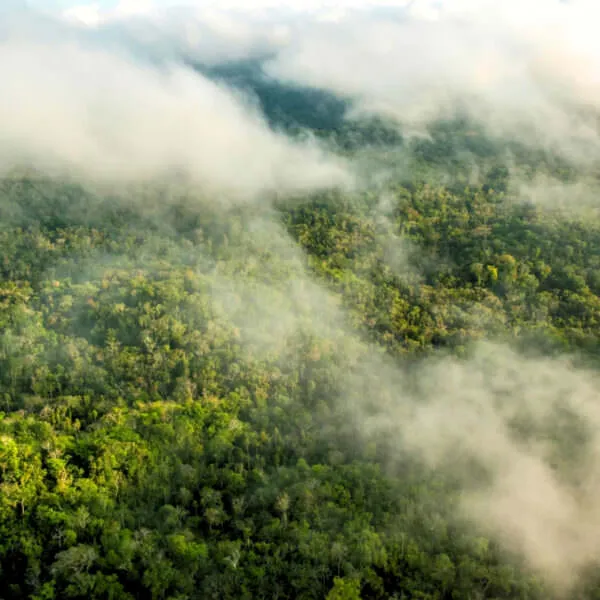
Rainforests and Climate Stability
Study rainforests as carbon sinks, how they shape global weather patterns, and what happens to Earth’s climate when they are destroyed.
Ages 14-16
We’re all connected. Analyze real-world examples to understand rainforest ecosystems, tropical food webs, global supply chains, and the critical role of Indigenous land defenders.
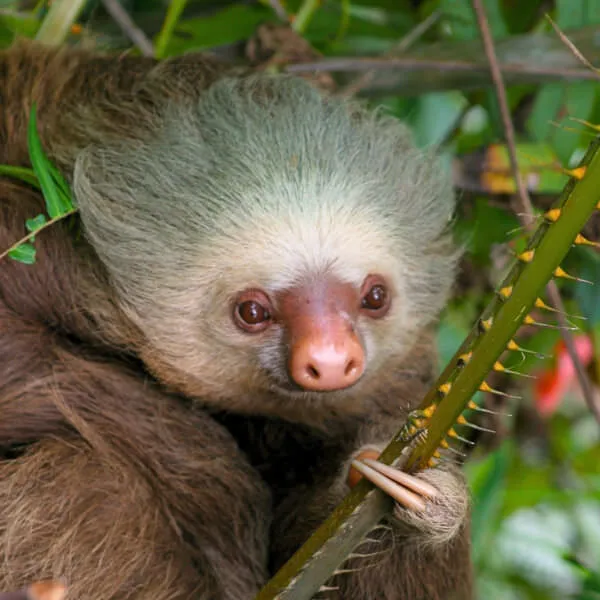
Understanding Rainforest Ecosystems
Learn how rainforest animals interact through mutualism, predation, commensalism, and camouflage. Explore the concept of ecosystem balance.
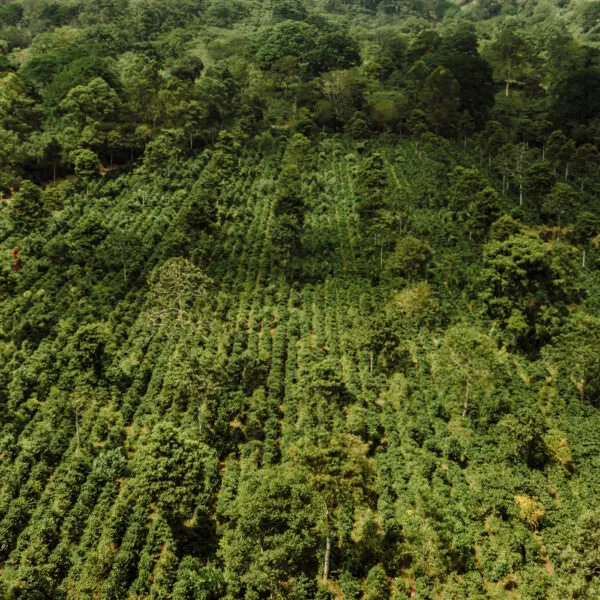
Tropical Food from Farm to Shop
Follow popular tropical crops—like cocoa, tea, and bananas—along the supply chain. Compare different farming methods and their impacts.
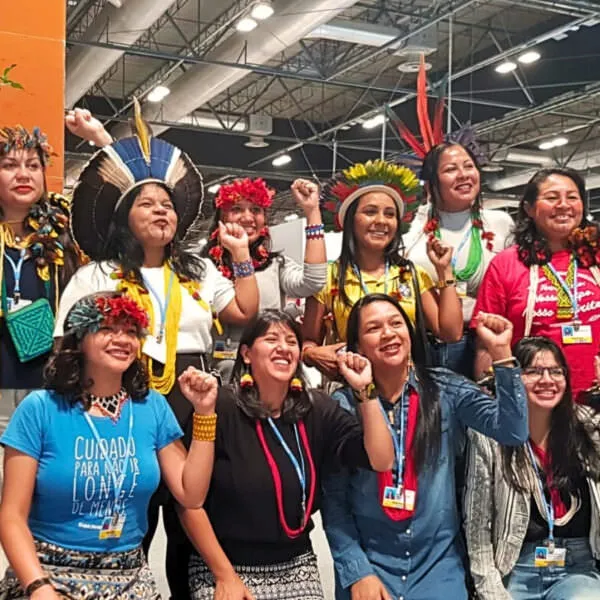
Indigenous Peoples and the Rainforest
Examine how Indigenous communities defend their land rights, preserve cultural heritage, and lead conservation initiatives. Case studies from Cameroon, Guatemala, and Indonesia.
Ages 16-18
Engage with urgent global sustainability issues and take action through activities that inspire leadership and positive change.
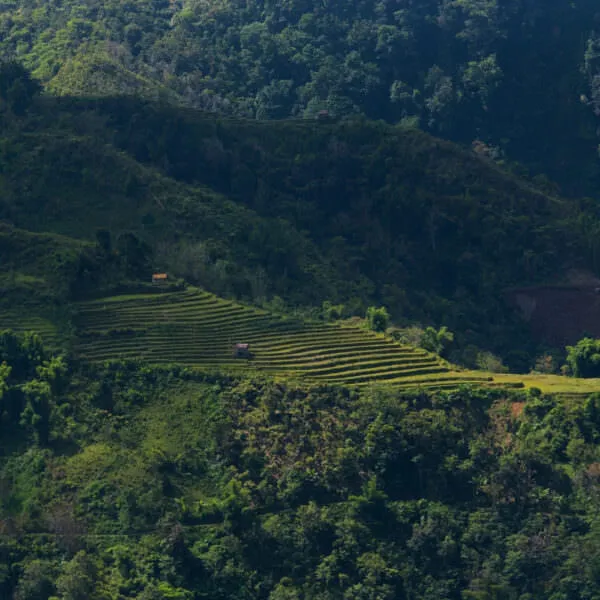
Why Tropical Rainforests Are Important
Explore rainforests across South America, Central Africa and Southeast Asia—and analyze their role in oxygen production, carbon storage, and more.
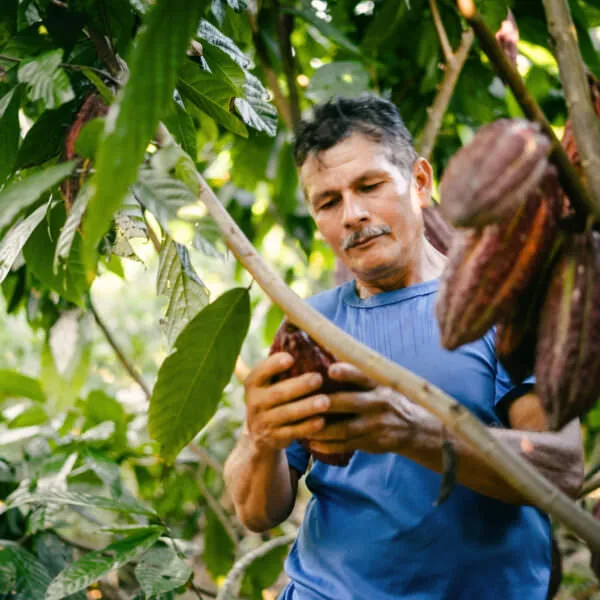
The History of Farming and Its Future
Trace how farming methods have changed over time—from Indigenous practices to industrial agriculture. Reflect on how agriculture shapes our world.
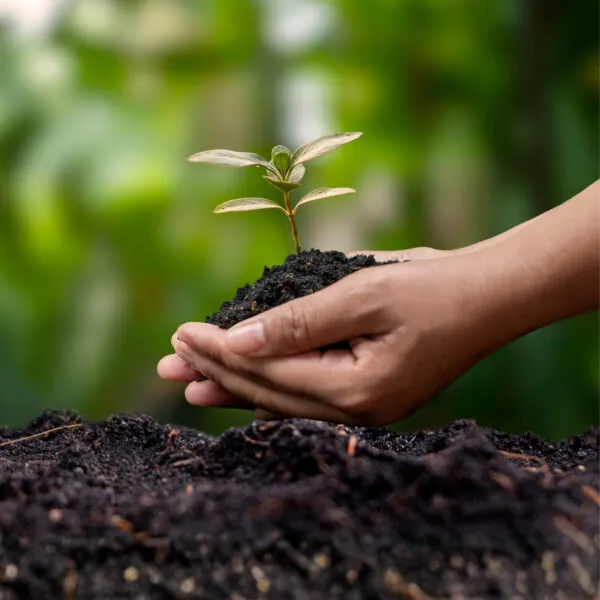
International Environmental Policy
Analyze global efforts to restore and protect tropical forests and biodiversity. Case studies include REDD+, the 30×30 initiative, and the Great Green Wall.
Explore species profiles
From the last Sumatran tigers in Indonesia to mighty troops of mountain gorillas in Central Africa—some of the Earth’s most magnificent creatures depend on the tropical forests we work so hard to protect.
OUR STANDARDS
Education Standards Alignment >
Our free lesson plans are cross-curricular—integrating subjects like science, math, social studies, and the arts to promote global environmental awareness and action. (Note: US-based teachers can consult our companion Teacher’s Guide to understand how lessons align with Common Core and National Core standards.)
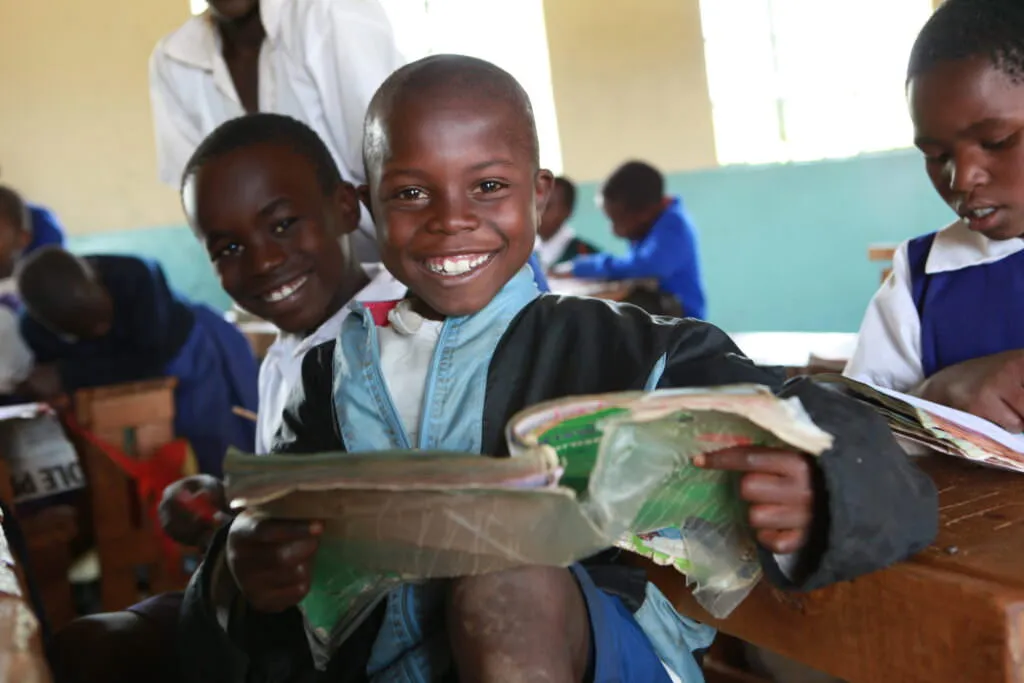
Everyday actions
Small actions can have a big impact. Discover what you can do to build a better world for people and nature.