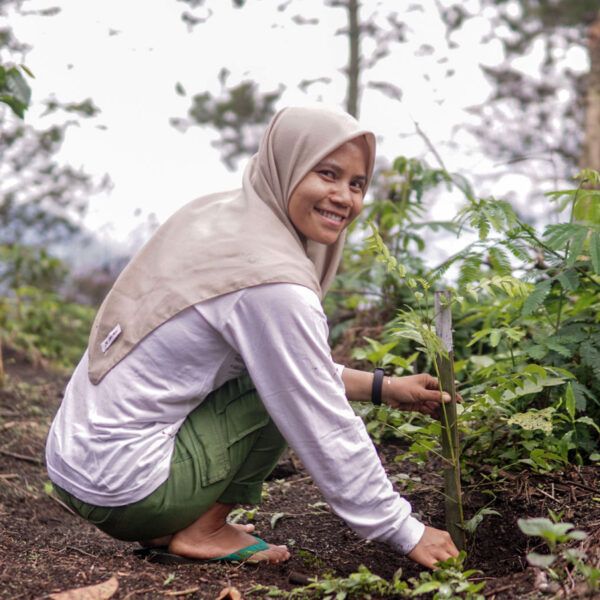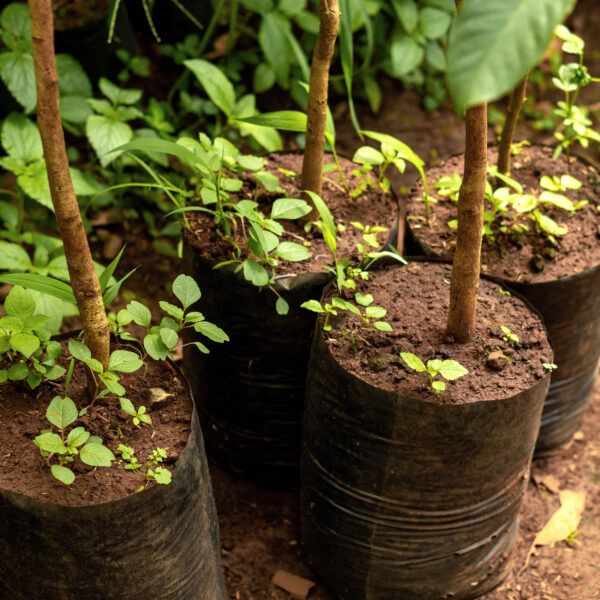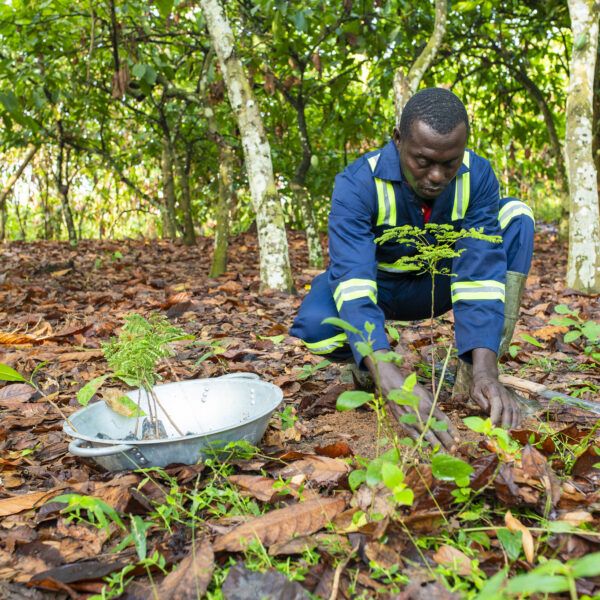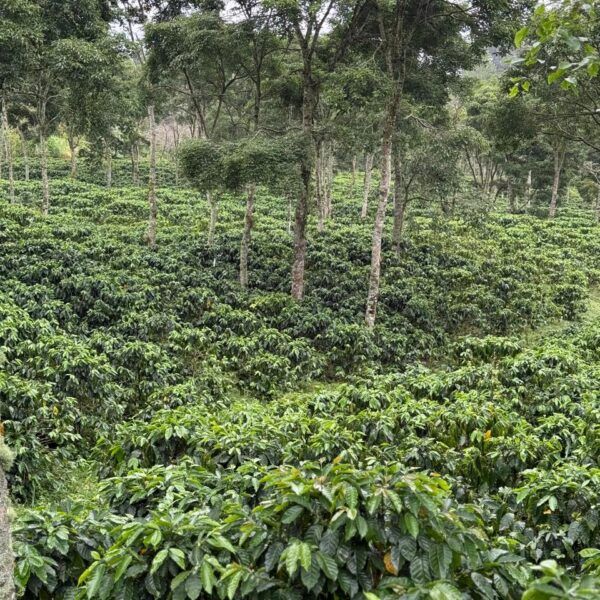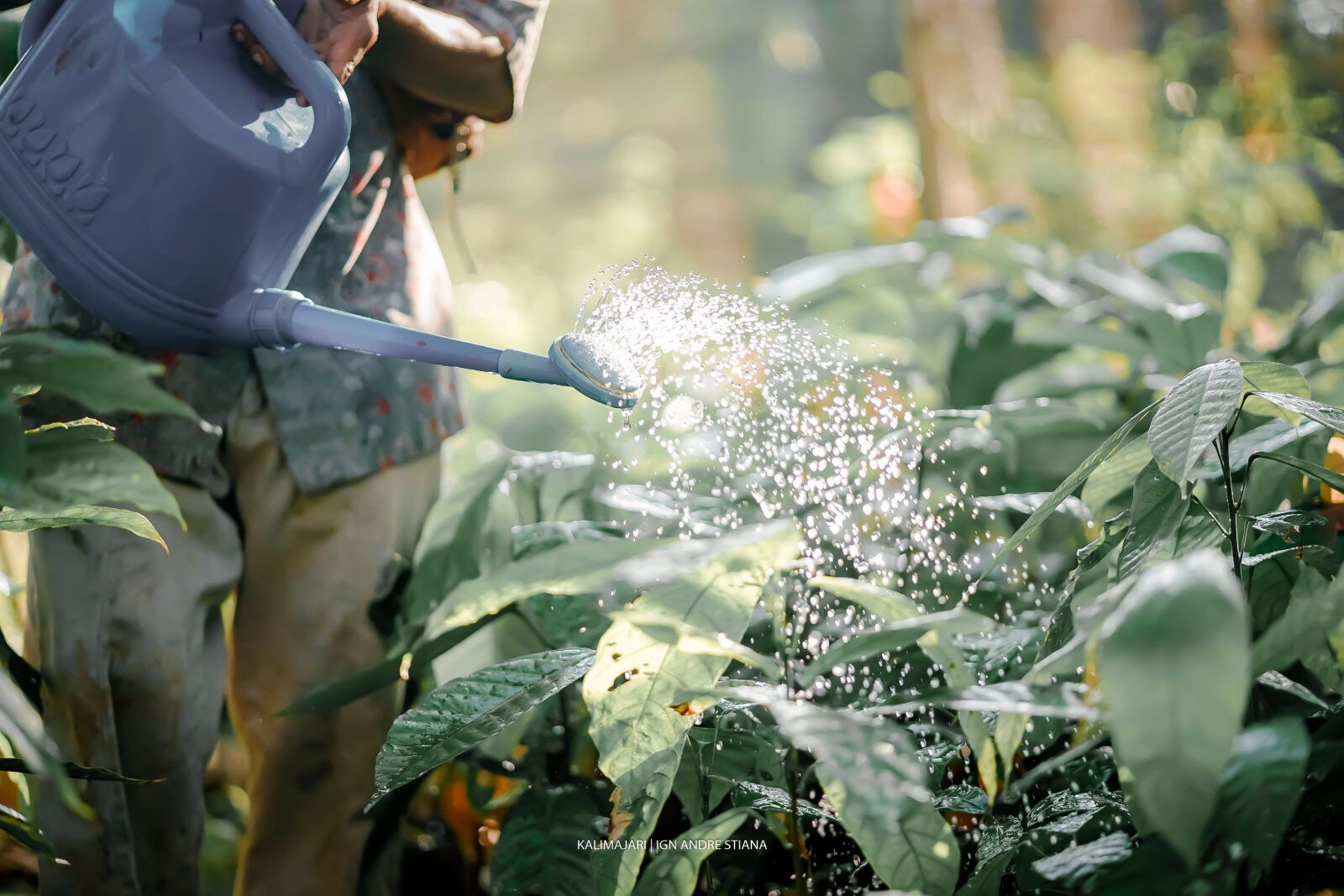
The future of farming is regenerative—and the Rainforest Alliance is taking bold steps to make that future a reality. After years of research, field testing, and collaboration with farmers and companies, we have published the Rainforest Alliance Regenerative Agriculture Standard. This is a major milestone for us, marking the first time in our nearly 40-year history that we are introducing a new certification seal alongside our iconic green frog seal.
We remain deeply proud of our Sustainable Agriculture Standard (SAS) and the transformative impact it continues to have—for forests and biodiversity, for the climate, and for the rights and wellbeing of the millions of farmers and workers we partner with around the world. Our new Regenerative Agriculture Standard does not replace the SAS, which remains our most holistic certification solution; rather, this exciting new chapter builds on everything we’ve learned and achieved as experts in regenerative agriculture and world leaders in certification.
Regenerative Agriculture Certification offers a specialized path for those ready to delve deeper into regenerative practices in key focus areas, such as soil health and fertility, biodiversity, and crop resilience.
Rollout has already begun with coffee and will expand to cocoa, citrus, tea, and other crops in 2026.
To learn how Regenerative Agriculture Certification benefits your business—and how it differs from our Sustainable Agriculture Standard—read more here.
A needed shift in how we farm
Conventional agriculture is one of the biggest drivers of climate change and global biodiversity loss—and continuing business as usual is simply not an option. Farmers, companies, consumers—everyone—is already feeling the impacts of these twin crises.
But what if we could radically overhaul our global farming system? What if we could not only reduce the harm it causes, but actively repair damaged ecosystems and actually heal the health of the Earth? Enter regenerative agriculture. Think fertile soils, clean waterways, farming landscapes teeming with life—all stewarded by thriving rural communities bolstered by strong, resilient supply chains.
Regenerative agriculture is not new but a system for scaling it across global supply chains is. For most of human history, farmers in tropical regions used many of the same principles we now associate with regenerative agriculture, from planting a diverse selection of crops alongside native vegetation to using compost and other natural fertilizers and pesticides. That balance was disrupted only in the past 70 years, as industrial farming models based on monocultures and synthetic chemicals have come to dominate. These intensive farming practices deliver short-term yields and long-term damage, depleting the very natural resources that farming relies on. That damage threatens not just ecosystems but also the security of future supply.
Our Regenerative Agriculture Standard has been designed with the practical needs of farmers in mind. Regenerative practices require time, technical support, and investment—and farmers cannot do it alone. Companies have a clear opportunity—and responsibility—to invest in the transition and secure a more resilient future for people and nature. As consumers increasingly seek products that restore rather than deplete, Regenerative Agriculture Certification offers brands a chance to lead with transparency, integrity, and impact.
A clear, science-based definition
While “regenerative agriculture” remains loosely defined in some contexts, our definition at the Rainforest Alliance is rooted in clear principles and science-based practices. Regenerative practices enhance soil health and fertility, support clean water, store carbon, and sustain healthy ecosystems—all of which ultimately leads to more resilient farming communities.
Key practices include:
- Increased organic fertilization
- Reduced use of pesticides and synthetic fertilizers
- Cover cropping and multi-cropping
- Agroforestry (the practice of planting crops among native trees)
- Integrated Pest, Disease, and Weed Management
- More efficient water management
- Biodiversity conservation
The Rainforest Alliance Regenerative Agriculture Standard is among the most comprehensive in the sector, with 119 requirements spanning not only environmental focus areas—soil health, crop resilience, water, and biodiversity—but also critical social impacts. As always, our approach is grounded in science, outcome- and practice-based, farmer-focused, and adapted to local contexts.
Explore how our data-backed practices translate to measurable outcomes here.
Why a specialized certification solution?
You may wonder why we’ve created a whole new Regenerative Agriculture Standard rather than expanding our existing Sustainable Agriculture Standard. The answer lies in meeting the readiness and practical needs of both farmers and companies, supporting them at every stage of their regenerative journey.
This new, specialized certification recognizes farmers and companies who are already implementing regenerative practices—and incentivizes those who are ready to make the transition. It offers certification partners a clear way to differentiate themselves in the market, gain recognition for their efforts, and access new opportunities.
At the same time, we know that not everyone is there yet, and not all crops are well suited to regenerative agriculture requirements. Meeting the rigorous requirements of our Sustainable Agriculture Standard is already a major achievement—one that supports meaningful improvements across a wide range of farming systems. By introducing this new standard, we’re ensuring that our wider certification program remains inclusive and credible, offering a strong foundation for those beginning their sustainability journey and a specialized pathway for those ready to dive deeper in key focus areas.
Why us? Harnessing the power of certification to drive regenerative transformation
As world leaders in certification, the Rainforest Alliance is uniquely positioned to help farmers and companies transition to regenerative agriculture. For nearly 40 years, we have worked with farmers and companies worldwide to advance better growing practices. Today, we run one of the world’s largest farm-to-consumer certification programs—spanning more than 7.9 million farmers and workers cultivating more than 6 million hectares of certified farmland. We’re ready to leverage our network of trainers and auditors, trusted assurance and traceability systems, and proven methodologies to deliver regenerative agriculture at scale.
Now is the time for bold leadership, and Regenerative Agriculture Certification is a powerful way for companies to take action. Together we can create a new future where healthy landscapes are passed down to future generations of farmers, consumers trust that their choices make a difference, and companies remain competitive without compromising the ecosystems they depend on.
A journey years in the making
Our Regenerative Agriculture Standard didn’t happen overnight. It’s the result of years of research, piloting, and learning:
2020: We published our regenerative agriculture position paper, laying the conceptual foundation.
2021: We developed our regenerative coffee ‘’scorecard’’ to evaluate the regenerative agriculture performance of farmers (followed by scorecards for cocoa, palm, and tea over the next three years).
2023: We launched field implementation projects and offered technical guidance to partners in coffee.
2023: We published our 2030 strategy, with regenerative agriculture featuring as one of three key priorities.
2024: We conducted a benchmark study on our Regenerative Agriculture Standard with coffee farmers in Costa Rica, gathering data and insights. In Brazil, we conducted a pilot project on 3,000 hectares of coffee farmland, carrying out analyses to demonstrate the benefits of regenerative agriculture.
2025: We published our Regenerative Agriculture Standard and started implementation for coffee—integrating all these lessons into one comprehensive, scalable framework.
2026: We will roll out the new standard across cocoa, citrus, tea and other crops.
With the right partnerships and long-term investment, we can make agriculture a powerful solution to climate change and biodiversity loss.