Composting at home is nature’s way of reducing, reusing, and recycling all at once. A great way to put your kitchen scraps and garden trimmings to work, compost is made of nutrient-rich, decomposed organic material and is mixed into soil to add vital nutrients. On Rainforest Alliance Certified farms, we’ve seen firsthand how compost improves soil water retention and pH balance—in turn boosting crop health while helping farmers phase out toxic (and costly) chemical fertilizers.
And gardeners, too, can enjoy similar benefits by composting at home. You can even tailor your compost to suit the needs of your plants; after all, no one knows your land–be it a pot on a windowsill or a multi-hectare farm—like you!
Let’s start composting at home: Finding the right spot!
If you’re starting out, or have a small garden, it’s a good idea to begin with a compact composting container. Untreated wood, rust-resistant metal, high-grade plastic, concrete, or stone are all suitable materials for your bin. It should keep rain out while allowing drainage, heat retention, and a little air flow. And don’t forget that location is key. You’ll need to pick the right spot to place the bin: sheltered, shady, not too wet, not too dry, and easily accessible so you actually use it.
The “magic ratio”
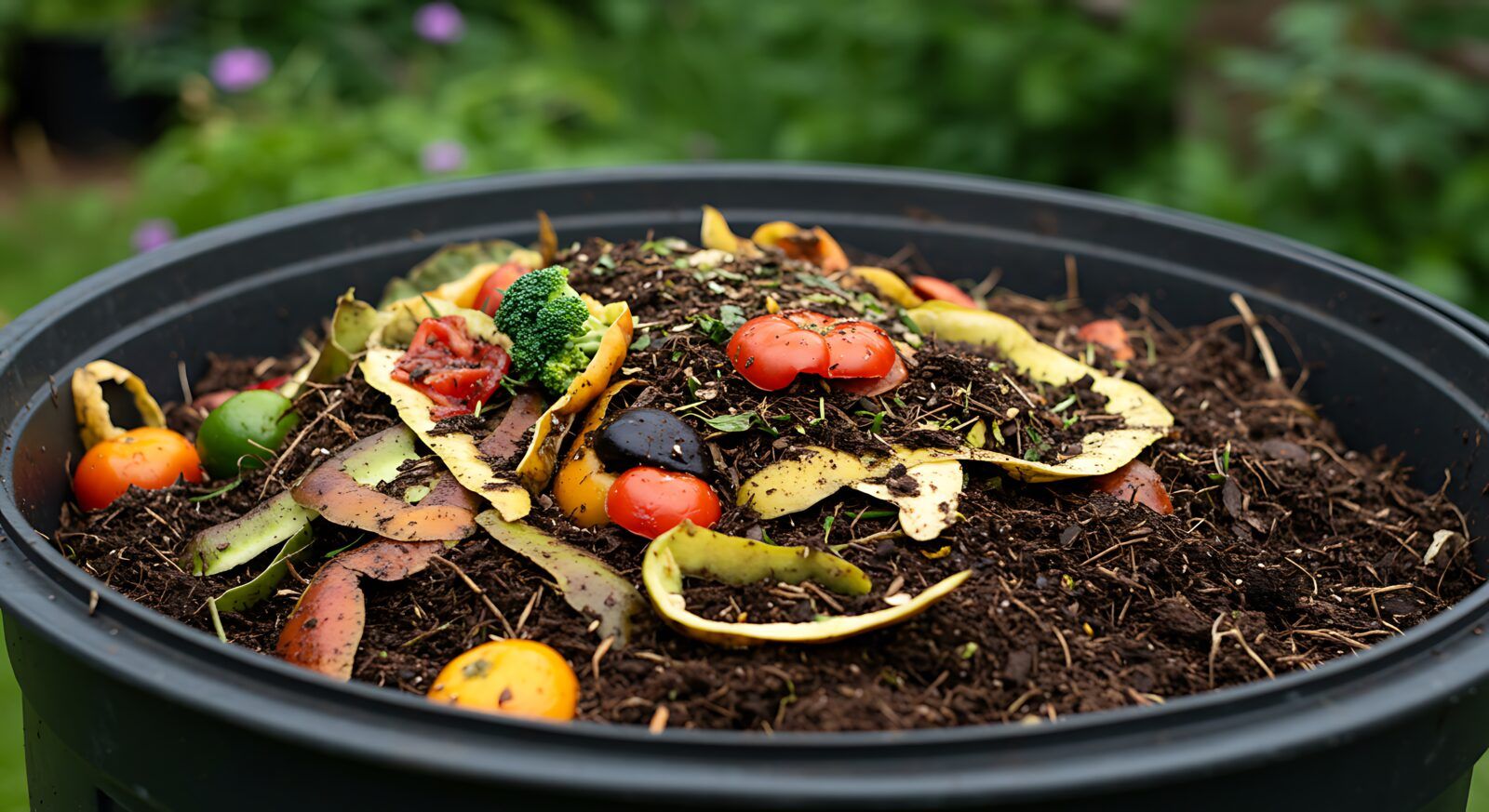
Next up is filling the bin with materials that help marvelous microbes multiply and break down your waste into rich, nourishing compost. The “magic ratio” for compost bins is 25-50 percent “green” waste (kitchen peelings, old fruit and vegetables, and softer garden waste like weeds, grass and crop trimmings) and 50-75 percent “brown” waste (woody, dry waste, like chopped-up tree and hedge prunings, or shredded cardboard). That’s it! No need for any additives, just the right balance of green and brown. It should be a little damp to the touch, and make sure you don’t add any meat, dairy, or pet waste–those smell bad and attract pests.
Turning your compost
You should “turn” your compost a few times every year. Turning compost allows you to make sure it’s not too wet or dry, and introduces extra air to the mixture, so it’s not too compact. This can be tricky for a lot of us—it can be a heavy task, literally. If you have enough space, the easiest approach might be to empty the bin (into another bin if you have it) and then refill it. You could also just give it a thorough mix with a garden fork, doing your best to mix from bottom to top.
When is compost ready?
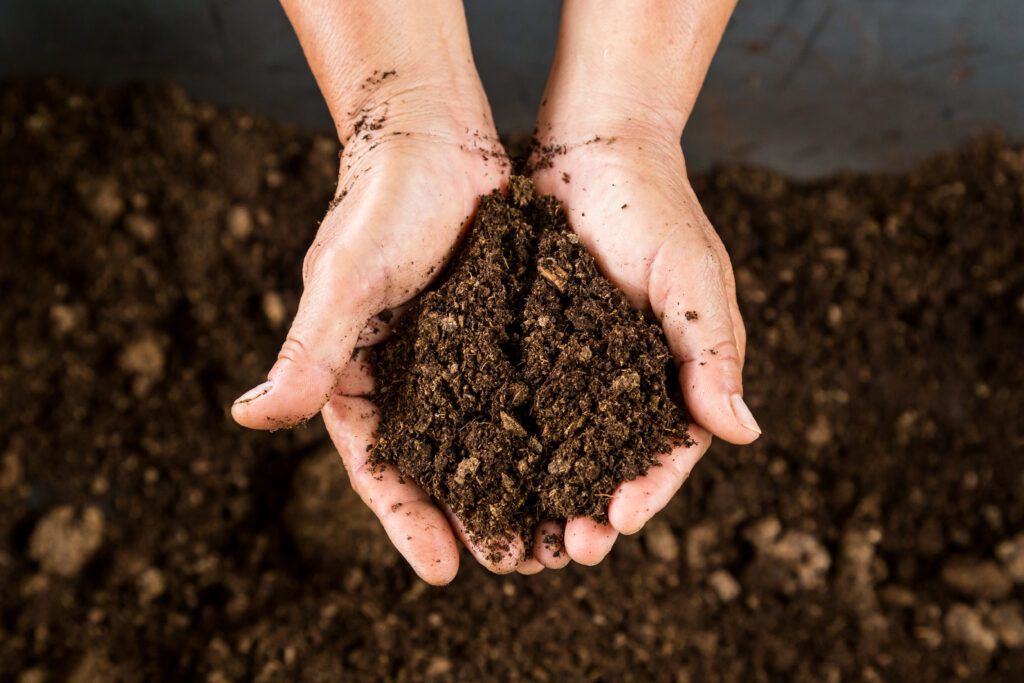
It can take anything from six months to two years for compost to be ready for use. Weather conditions (compost breaks down faster in warmer periods, and slows in cooler months), how often you can turn it, and the size of your bin all influence the process. Mature compost should look dark and crumbly, like brown soil, and smell of damp woods. Any bigger bits that haven’t fully broken down can be kept in the bin for further composting. Now your homemade compost is ready to be spread in your plant pots and garden as mulch, soil improver, a weed deterrent, and moisture retainer. As worms and other natural processes integrate your compost into the soil, what was once waste becomes a vital part of the ecosystem again.
No garden? No problem!
Even if you don’t have a garden, you can still try container composting on a countertop, or donate your green and brown waste to a local community garden. You can even compost at home on a mini scale; Try burying banana peels as a slow-release fertilizer for tropical houseplants like bromeliads, or soaking the peels in water to make anti-aphid spray.
Like any natural process, composting is quite straightforward once you get going. Soon, you’ll be spreading your OWN compost on your plants, saving money, reducing waste, and giving back to the Earth, one potato peel at a time! And if you’d like more sustainability tips and tricks straight to your inbox, just sign up to our email list.
Together, we’re building a future where people and nature thrive. Sign up today and join our movement.
"*" indicates required fields