Let’s be honest. We buy and own a lot of stuff—way too much stuff. Whether it’s the latest vacuum-insulated, double-walled, stainless steel, 40oz mug that’s going viral on social media (in at least three outfit-coordinating colors), or the weekend super sale at your favorite retailer, the impulse to click “add to cart” can be tough to resist. The answer: the power of eco-minimalism.
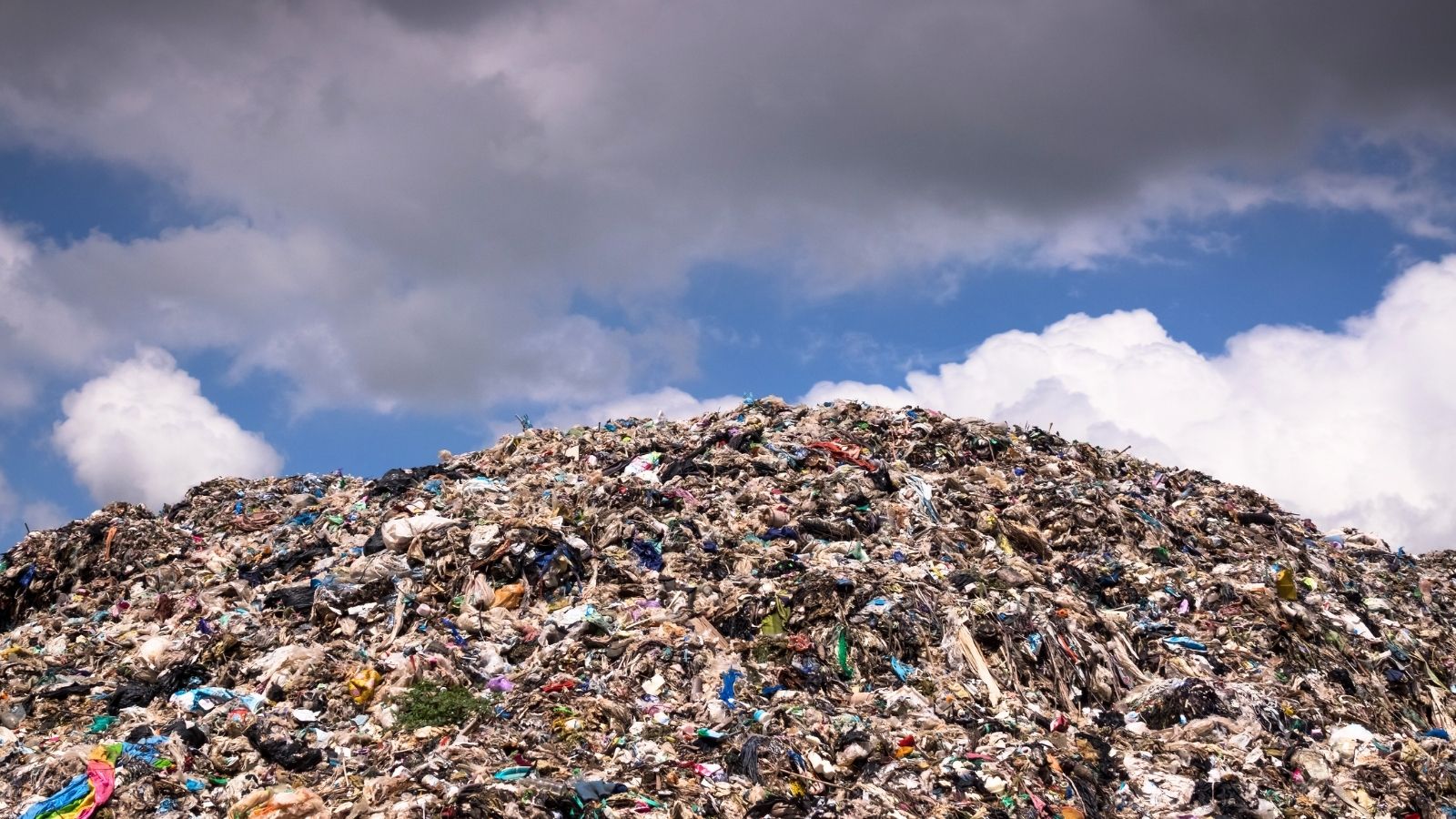
All that buying isn’t just cluttering up your home and hurting your bank account—it’s impacting our planet. In the fashion industry alone, roughly 100 billion garments are produced every year, with 92 million tons of that clothing ending up in landfills. That’s the equivalent of a full garbage truck of clothes going straight to the dump—every single second.
If you’ve ever felt trapped in the endless cycle of modern-day consumerism (and, trust us, you’re not alone), we’re here to help. Here’s how to embrace eco-minimalism—your antidote to overconsumption and overspending.
What is eco-minimalism?
As the name suggests, eco-minimalism is where the principles of minimalism and environmental sustainability meet.
Let’s start with minimalism. At its core, minimalism is about paring down to what truly adds value to your life, reducing consumption, and removing excess clutter and distractions.
The key is intentionality. Practicing a minimalist lifestyle doesn’t mean you need to deprive yourself of buying and owning things. Rather, when you need to buy something, buy it thoughtfully. Ask yourself: Is this something I really need? Does this meaningfully improve my life? Am I just following the latest trend?
Environmental sustainability, on the other hand, is about making choices that protect our planet’s resources—or, in some cases, even heal the Earth. Eco-minimalism combines both, encouraging us not only to own fewer things, but to choose those things with care for nature. An eco-minimalist knows that every purchase carries an environmental cost.

Make better choices for the planet
If in doubt, just repeat these three simple mantras when shopping—and before you know it, eco-minimalism will be like second nature to you!
1. Less is more
The most eco-friendly purchase is the one you don’t make. The first step is learning to pause before buying and appreciating what you already have (the latest phone can’t be that much better). By buying less frequently, you’re consuming fewer resources, limiting your waste, and shrinking your environmental footprint.
2. Quality over quantity
When something is truly needed, invest in quality. That means choosing items that are made to last, rather than ones that need replacing more often. With clothing, for example, pay attention to textile composition. Pieces made from natural fibers, like cotton, wool, and linen will feel better on your skin and last far longer than cheap clothes made from polyester which can fall apart after just a few washes.
3. Pre-loved = more love for the planet
Eco-minimalism also encourages buying secondhand to extend the life of existing products and keep them out of the waste stream rather than adding more to the pile. This is especially important with electronics, which can leach toxic materials into soil and water if not disposed of properly, harming ecosystems and communities.
Small choices. Big change.
Living an eco-minimalist lifestyle really is easier than it sounds. It doesn’t mean giving up the things you love, it means loving the things you have a little more. By buying less, choosing better, and thinking about the planet with every purchase, we can turn small everyday choices into big change.
Ready to start? Sign up to our emails for more inspiring tips and tricks for sustainable everyday actions!
Together, we’re building a future where people and nature thrive. Sign up today and join our movement.
"*" indicates required fields