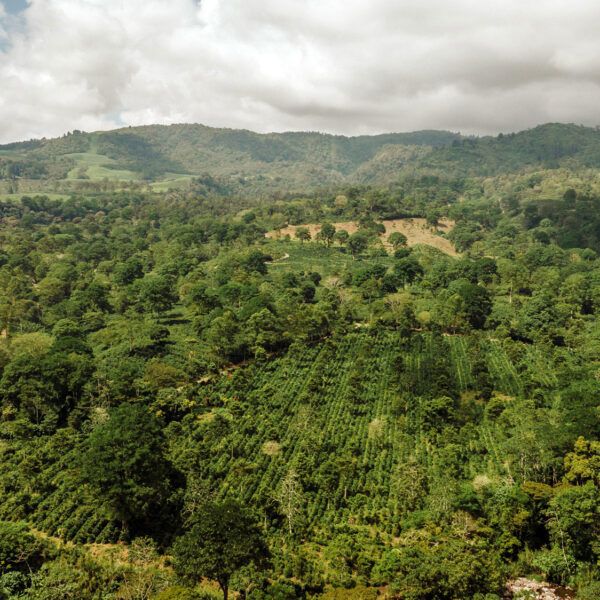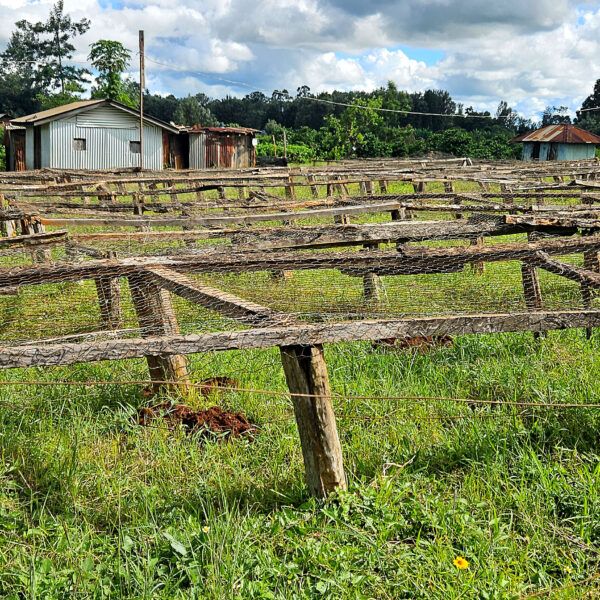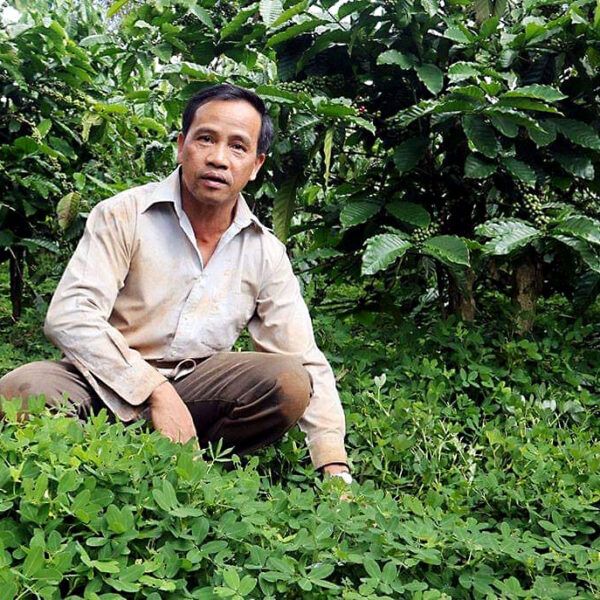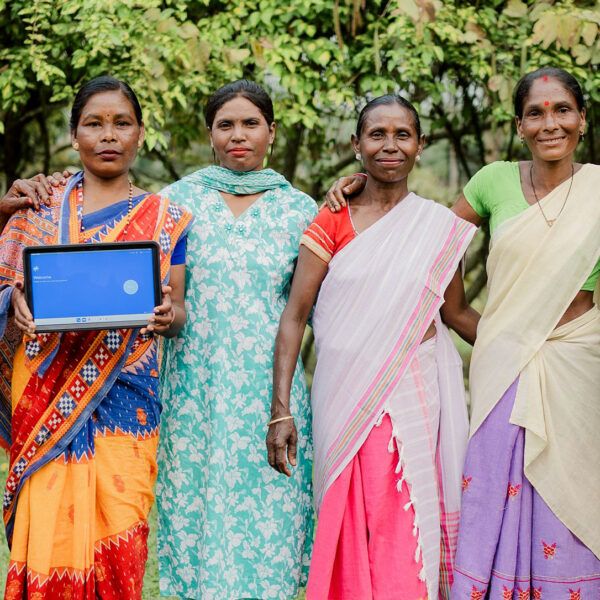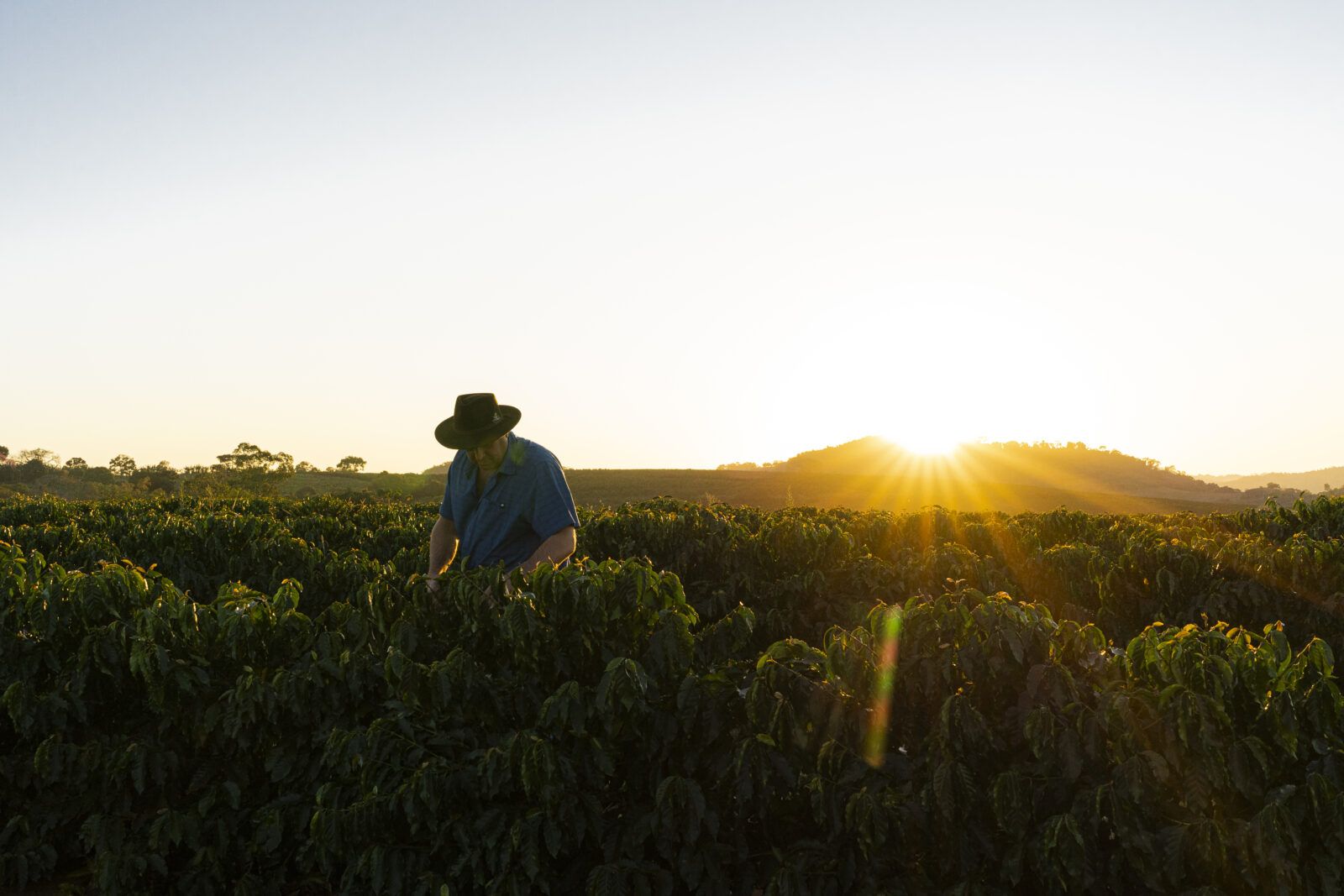
In early 2025, the Rainforest Alliance piloted the Regenerative Agriculture Standard with a small group of coffee farms in Costa Rica, Mexico, Nicaragua, and Brazil. What connects these early adopters is their commitment to farming in a way that heals the land, along with proactive preparation to be audited against our new standard. Now, we’re proud to announce that these innovative farms are officially Rainforest Alliance Certified Regenerative!
What is the Rainforest Alliance Regenerative Agriculture Standard?
The standard equips farmers with guidance and support to implement specialized practices that further improve soil fertility, boost biodiversity, and increase climate resilience. Our regenerative approach is farmer-focused, grounded in science, and adapted to local contexts. It builds on our longstanding Sustainable Agriculture Standard; together, they make up the Rainforest Alliance Certification Program.
To be the first in any category is a feat—one that always comes with plenty of learnings and discoveries. To go deeper on what it’s like to work on a regenerative farm, we talked to coffee farmers, farm management, and farm workers in Nicaragua and Brazil. Here, they share their firsthand experiences.
Recognizing farmers’ commitment
Our Regenerative Agriculture Certification recognizes farmers who are already implementing regenerative practices—and incentivizes those who are ready to make the transition.
Nurturing soil health and fertility
Our Regenerative Agriculture Standard equips farmers with the guidance and support they need to adopt practices that improve soil fertility and reduce greenhouse gas emissions. Informed by annual soil and foliar assessments, farmers use targeted fertilizer application, compost and organic matter, and progressive targets for permanent soil cover, such as mulch or cover crops to boost the soil’s organic matter and nutrient content.
Boosting biodiversity
Biodiversity flourishes on farms that practice regenerative agriculture. Our standard’s requirements include maintaining a diverse variety of trees across the farm to provide habitat for wildlife and insects, promoting nature-friendly pest control, and protecting farm biodiversity from the ground up with natural vegetation.
Conserving water
Water is also a critical component of the Rainforest Alliance Certification Program. Water management practices—like efficient irrigation, protection of riparian buffer zones, and community water stewardship—can help farmers conserve water on their land.
Building climate resilience
Our standard helps farmers better withstand climate shocks through a systematic approach in which soil health, agroforestry, and integrated weed and pest management all play a role. By requiring actions for reduced or no pesticide use, prioritizing climate-resilient crop varieties, and establishing practices that help protect soil and keep it moist, farms are better able to adapt and prepare for unpredictable weather patterns.
Strengthening livelihoods, regenerating hope
While conventional farming eats up resources and worsens the climate crisis, regenerative agriculture offers an open door to a hopeful future. It can lead to more stable productivity, improved resource efficiency, and reduce reliance on synthetic fertilizers for farms. It also gives farmers a clear way to differentiate themselves in the market and gain recognition for their efforts. Plus, it provides renewed meaning to those working in a vital industry.
Support for a regenerative future
The Rainforest Alliance Regenerative Agriculture Standard is transforming coffee farms to better support people and nature. Change doesn’t happen overnight, but the rewards for dedicated farmers are numerous. Regenerative agriculture connects farmers, consumers, and the natural world in a robust web of reciprocity.
Without transformation, farming is unsustainable in the face of the climate crisis, rising global tensions, and rising prices. As our Regenerative Agriculture Lead Juliana Jaramillo says, “Regenerative agriculture is no longer a choice — it’s a necessity now.”
But regenerative practices require time, technical support, and investment—and farmers cannot do it alone. The transition requires up-front investment and a long-term perspective. Brands have begun to see the value in making the shift to regenerative agriculture and choosing to invest in farms. Now, we call on other companies to do the same.