Looking for ways to teach kids about the environment? Not only can these home and classroom activities be educational—they can also be fun! These engaging activities can help you talk about the environment, the changing climate, and nature with your little ones.
Every day is a good day to celebrate our planet and learn a little more about it. But not every day is a beautiful day to explore nature outdoors. For rainy days, here are a few ways to help your kids have fun and learn about the environment.
These projects and activities for kids can be done at home, at school, or with a club or extracurricular group. Some suggestions require adult guidance, while others may occupy children on their own for hours on a rainy afternoon. Help kids explore environmental science, recycling, conservation, and important ecosystems like rainforests through these hands-on activities.
So, why focus on rainforests? Because we love them (duh!) and they do so many things for the planet: from making it rain to purifying the air and storing carbon. Kids love rainforests for the colorful animals, crazy nature sounds (like howler monkeys!), and stinky corpse flowers. Learning about these lush landscapes is such a treat for kids that it doesn’t even feel like learning.
Our hope is that these activities will help foster the next generation of conservationists. Here are our favorite activities for at-home, nature-related fun.
Together, we’re building a future where people and nature thrive. Sign up today and join our movement.
"*" indicates required fields
Animal fact pages
An animal a day keeps the boredom away! We’ve compiled these kid-friendly fact pages about rainforest species, which happen to be some of the most awe-inspiring on Earth. Did you know, for example, that an African forest elephant has more than 100,000 muscles in its trunk alone? Or that the cries of a Black howler monkey can be heard up to 3 kilometers (1.9 miles) away?
If you can’t get outside to observe your local wildlife, give your child a chance to learn about a new rainforest species from the comfort of your home. Depending on their age, you might have children draw a picture of the animal and hang the masterpiece on the fridge.
Older kids can Google videos to hear the specific roars, squawks, and calls of their chosen species and create trivia cards.
Making animal masks, shadow puppets, or PlayDoh figures can be a great at-home or classroom activity, too. And there’s always coloring! Check out our downloadable rainforest coloring page.
Environmental books for children
There is nothing quite like a book to set young minds alight. Check out our list of our favorite nature-related children’s books. From vibrant picture books for little ones to page-turners for teens, there’s something for everyone to love. Books make great educational fun on a rainy day, during the winter months, or on a long car ride.
Digital audiobook providers, like Audible, can also be a great option for kids. Just download, press play, and they can bask in the calm of story-time while they color or draw.
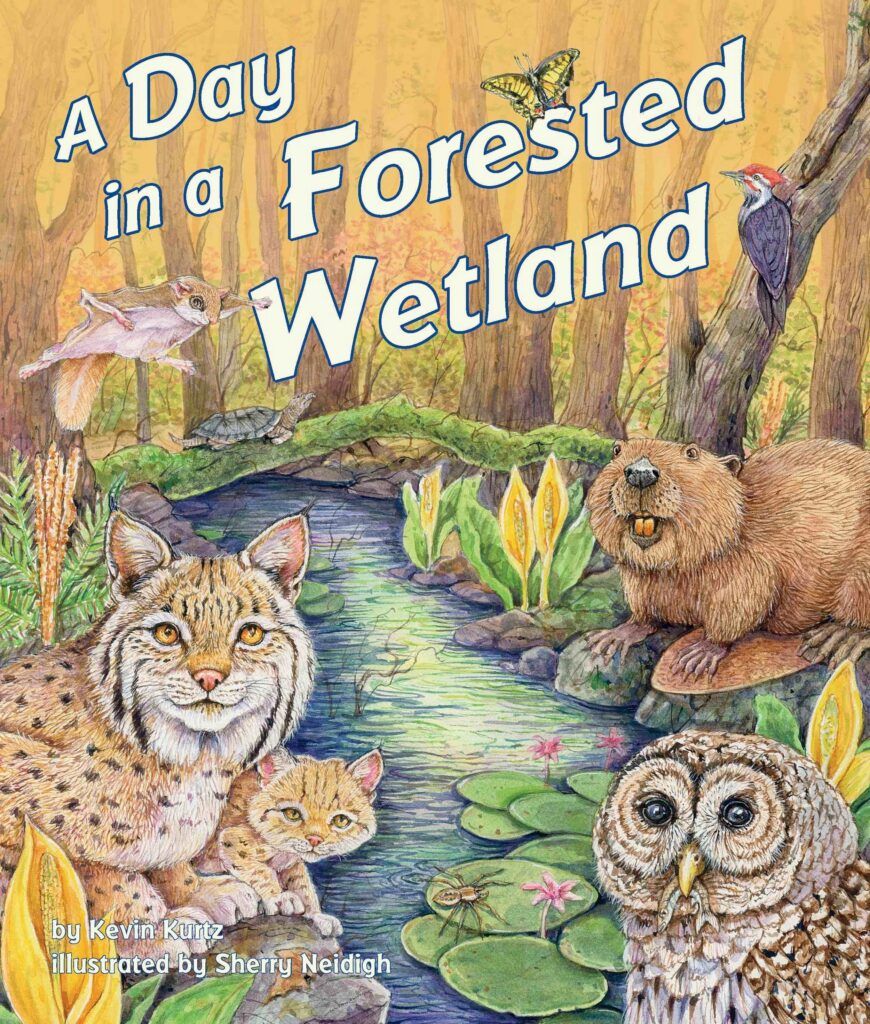
We especially love some of the nature-themed audiobooks. Kevin Kurtz’s A Day in a Forested Wetland is ideal for the littlest listeners. For older kids, we’re obsessed with Katherine Krull’s magnificent Giants of Science series. These books include familiar names like Marie Curie and Leonardo Da Vinci.
Rainforest Alliance Environmental Curriculum for schools
Teachers and parents alike can utilize our free Environmental Curriculum for early learners to high schoolers (ages 5 to 18).
There’s something here for everyone. Children ages 5-8 can meet the furry friends of the forest and discover the home of their favorite fruits. Playful stories and hands-on activities will spark curiosity and a love of nature.
Children ages 8-11 can navigate the layers of the rainforest and learn how everyday actions can help protect these important ecosystems. Meanwhile, children and teens ages 11-14 can investigate environmental challenges and imagine innovative solutions.
Teens ages 14-16 can explore tropical food webs, global supply chains, and the critical role of Indigenous land defenders. And teens ages 16-18 can engage with urgent issues and become ambassadors for the forest by taking action through leadership activities.
Great for homeschool parents, these lesson plans follow age-appropriate standards for English language, arts, mathematics, and science education. Each unit has been carefully designed to ensure that kids have fun while learning about these precious ecosystems and the people and wildlife that call them home.
These lessons also work well if you’re looking for some educational at-home activities. They include coloring sheets and fun quizzes that can help fill a rainy weekend.
Check out our new Environmental Curriculum for schools
Calling all teachers and parents! Discover the Rainforest Alliance Environmental Curriculum for early learners to high schoolers (age 5-18). We have free, downloadable lesson plans—with videos, quizzes, worksheets, and math and art tie-ins—to inspire young students to understand and care for nature.
Guilt-free screen time: Shows and movies that teach kids about the environment
When you’re all out of steam or need a moment, you can feel good about sharing these educational animated series and movies with your little ones:
- FernGully: The Last Rainforest (1992): This animated film follows a young fairy whose rainforest home is threatened when humans arrive to cut it down.
- Flow (2024): This adventure story of a cat whose world is transformed by a devastating flood shows the interconnectedness of all living things.
- The Lorax (2012): This hit animated comedy based on the beloved Dr. Seuss book teaches kids and adults alike about deforestation, consumerism, and environmental responsibility.
- How to Blow Up a Pipeline (2022): This thriller, appropriate for older teens, follows a group of young environmental activists. It poses thought-provoking questions about peaceful protest and radical resistance.
See more of our favorite environmental movies for kids and teens.
We hope these activities, projects, and resources will help you and your kids learn something new—and celebrate our planet every day!