What’s It Like to Work on a Rainforest Alliance Certified Coffee Farm? Six Migrant Workers Share Their Stories
Migrant workers from Guatemala talk about working on certified farms in Chiapas, Mexico. ... Continue Reading
News and updates about the Rainforest Alliance's work with farming and forest communities around the world, our business partner collaborations, research (including white papers, case studies, and project profiles), media coverage, and more. Sign up to receive general updates.
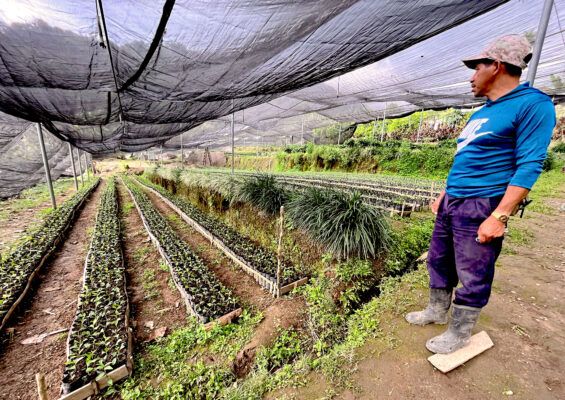
Migrant workers from Guatemala talk about working on certified farms in Chiapas, Mexico. ... Continue Reading

At the Rainforest Alliance, we know that those who make their living from the forest have a powerful incentive to protect it. With this principle in mind, we launched Forest Allies in 2021 to leverage corporate support for the bold local action needed to halt forest degradation and deforestation and mitigate the global climate crisis. […]
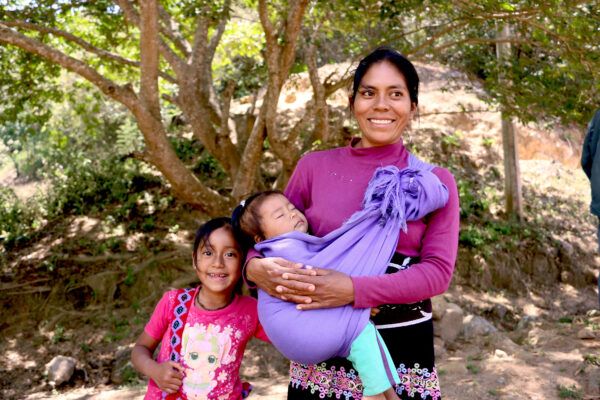
Once violently displaced, an Indigenous community in Chiapas, Mexico now flourishes.... Continue Reading
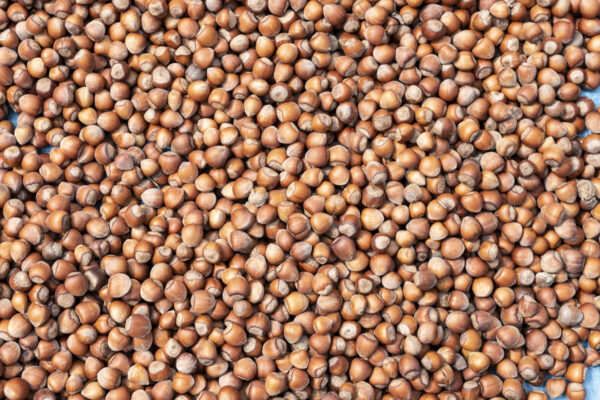
Child labor is widespread on Turkish hazelnut farms. Discover our collaborative approach to help farmers address child labor on the ground. ... Continue Reading
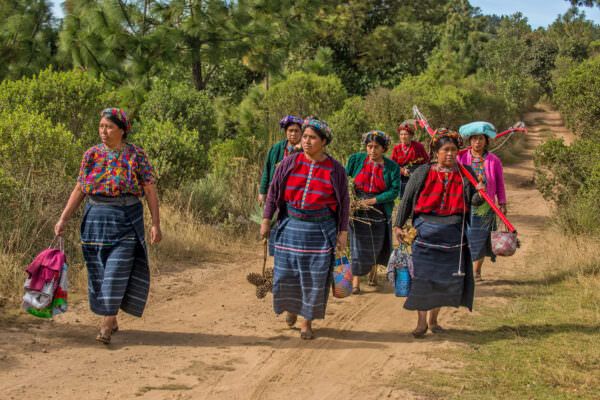
Addressing human rights abuses in agriculture and forestry is a key focus of our work to make responsible business the new normal.... Continue Reading
Here, we hope to shed some light on what these terms really mean.... Continue Reading