Don’t you wish you could just close your eyes and transport yourself to the rainforest? Well, what if we told you that you could care for your own little corner of rainforest right in your own home? Here’s five tropical houseplants that bring the rainforest indoors—and tips on how to care for them!
Monstera Deliciosa
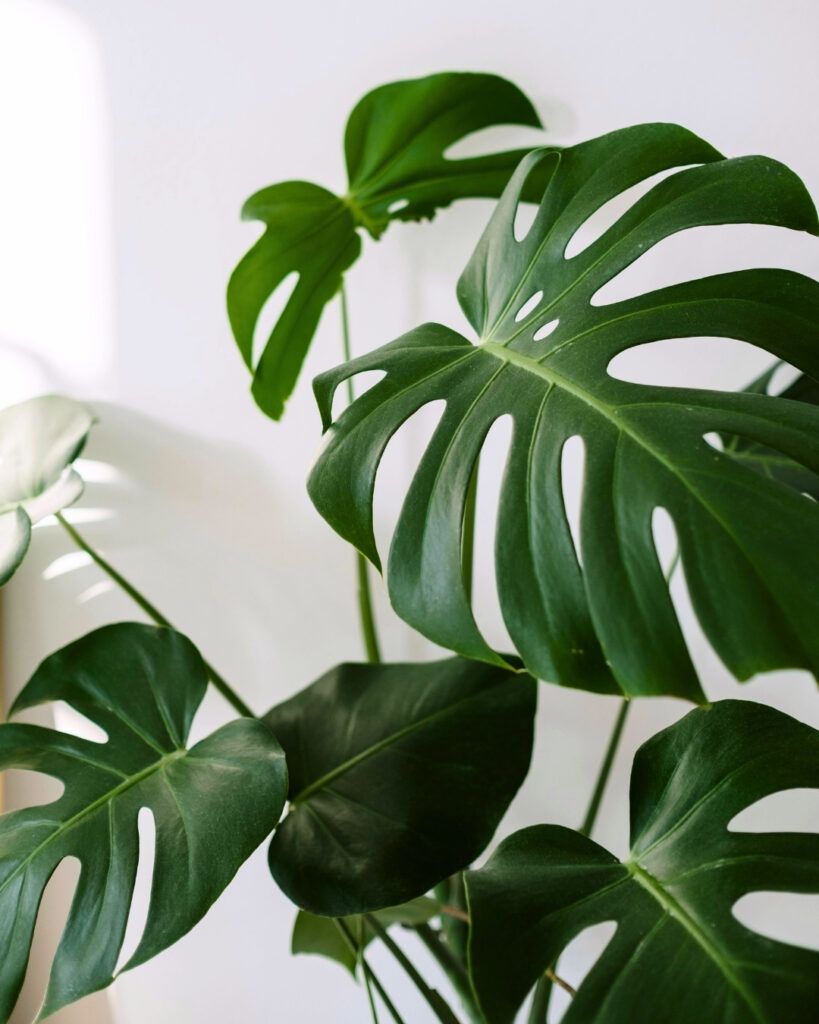
Native to Mesoamerican countries like Mexico, Guatemala and Costa Rica, this “delicious monster” has large, variegated leaves and produces edible fruit. Also known as a “Swiss cheese plant” (because of the holes and slits in its leaves, called ‘fenestrations’), monsteras thrive in warm, moist conditions and can grow up to 10 feet high indoors.
Pexels
- Light preferences: Indirect, bright light.
- Soil preferences: Peat-based soil that drains well (add some perlite or wood bark).
- Watering needs: Water when the soil dries out.
- Climate needs: Warm, humid climates–emphasis on humid!
- Plant quirks: Monstera deliciosa have aerial roots; Provide a moss pole for them to grasp.
- Ok for pets? No, moderately toxic to dogs and cats (check out this helpful list of poisonous plants for pets).
Bromeliad
Bromeliads can be found across the Americas, from Chile to Arizona. Their central blooms are bright and otherworldly, ready to make a statement in any room. While they’re easy to care for, bromeliads are short-lived and only bloom once before they die. But what a bloom!
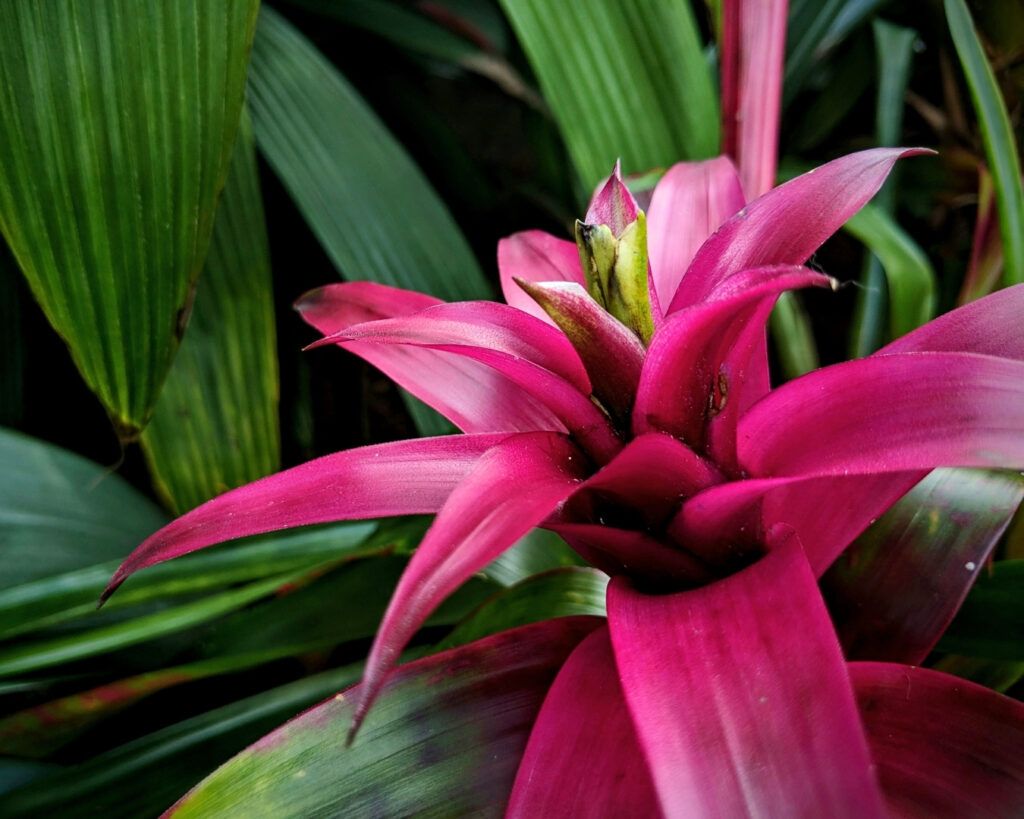
- Light preferences: Indirect, bright light.
- Soil preferences: Potting mixes that allow for good drainage and air circulation.
- Watering needs: Water the centre of the plant once per week, rather than the soil.
- Climate needs: Bromeliads do well in a wide variety of climates, but generally love humidity.
- Plant quirks: Pineapples are a type of bromeliad!
- Ok for pets? Yes
Sansevieria
Also known as a snake plant, or “mother-in-law’s tongue”, sansevierias are a popular, low-maintenance plant that mimics a snake in its long, sharp leaves. Native to the African tropics, its strong fibres were traditionally used to make bowstrings.
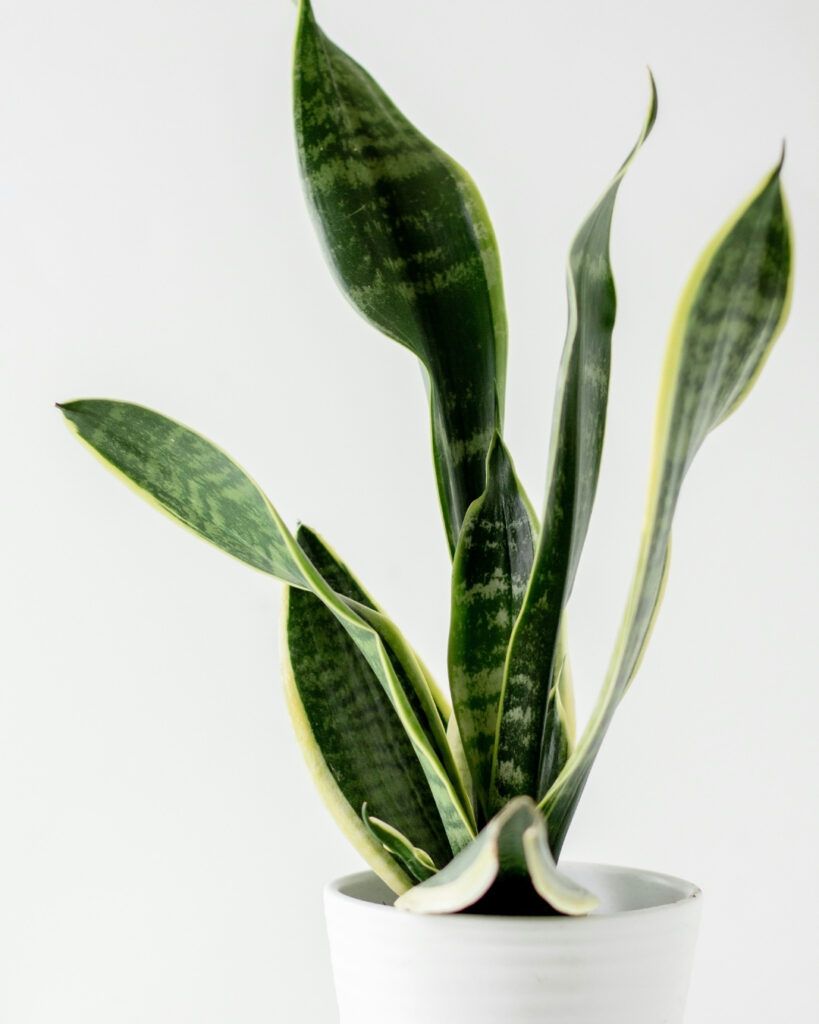
- Light preferences: Prefers bright, indirect light, but tolerates low light.
- Soil preferences: Well-drained soil, like cactus potting mixes.
- Watering needs: Highly drought-tolerant, only water when soil is dry.
- Climate needs: Warmth and low-humidity, but does just fine in colder environments too.
- Plant quirks: Filters toxins from the air (although not at a rate that will make a noticeable difference for you)
- Ok for pets? No.
Strelitizia
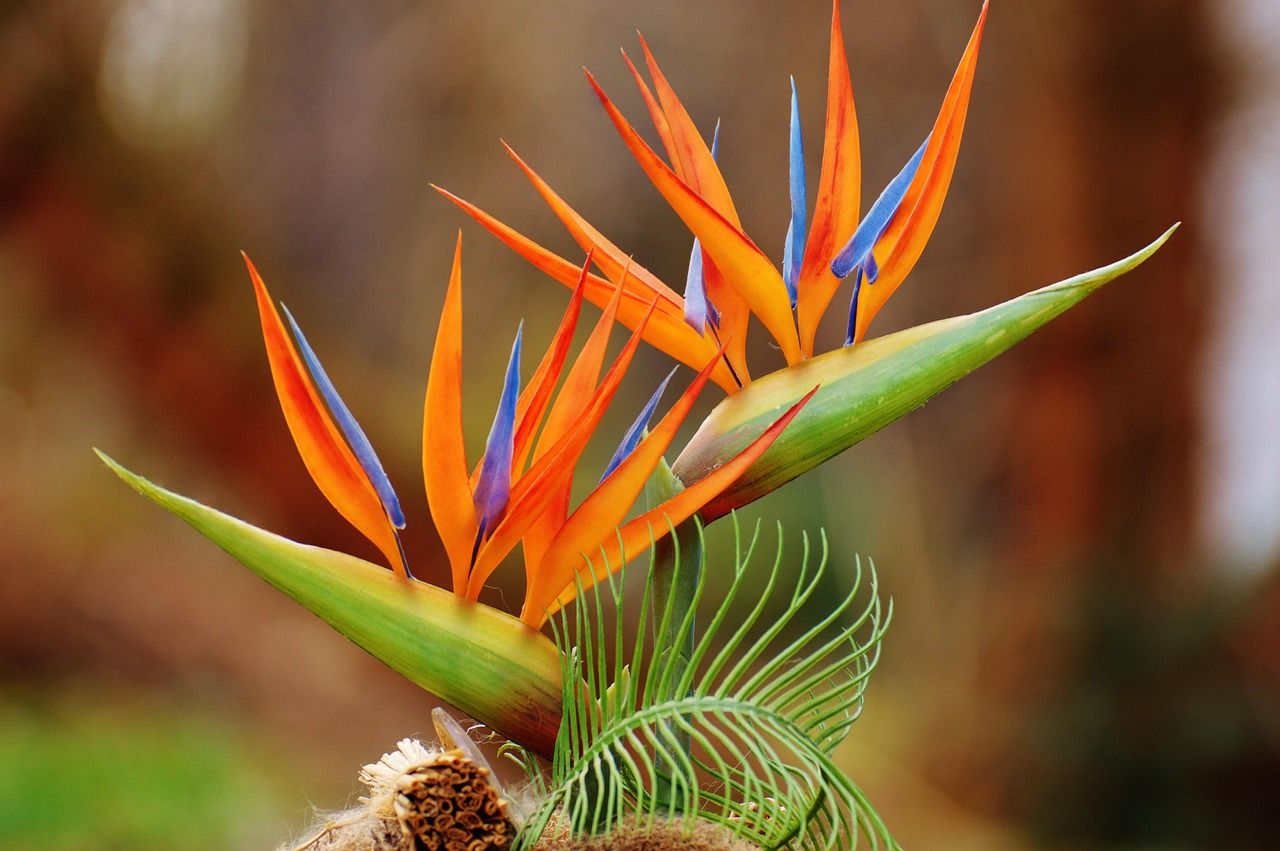
Originating in South Africa, strelitzias are also known as bird of paradise plants, due to their bright and recognizably bird-shaped flowers. Their eye-catching blooms and striking leaves make this tropical house plant a real statement piece in your home.
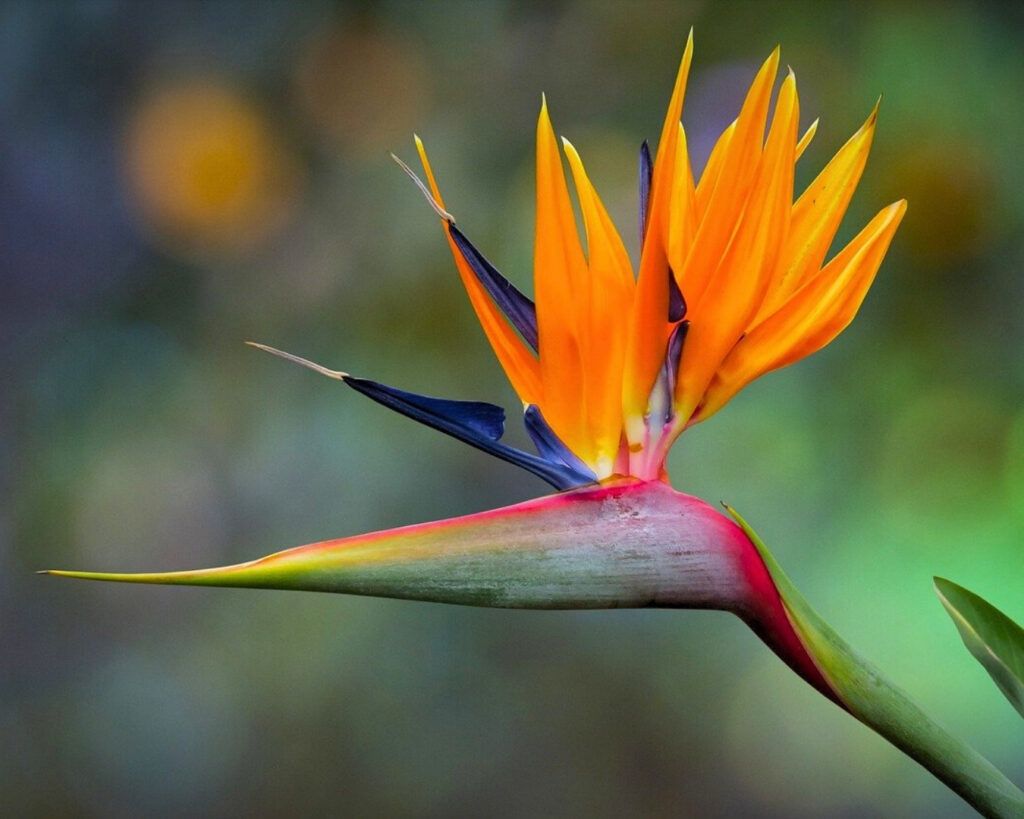
- Light preferences: Bright, indirect light.
- Soil preferences: Well-drained, nutrient-rich, and slightly acidic soil.
- Watering needs: Let the top two or three inches of soil dry out between waterings.
- Climate needs: Warmth and humidity–keep the air moist to ensure its leaves don’t get burnt edges.
- Plant quirks: Can grow up to eight feet tall indoors and likes to be slightly rootbound.
- Ok for pets? No.
Peace Lily
Native to the tropical rainforests of Southeast Asia and the Americas, peace lilies–or “spathiphyllum”–are popular for their lush green leaves and striking white blossoms. They love humidity, so make an ideal house plant for a kitchen or bathroom.
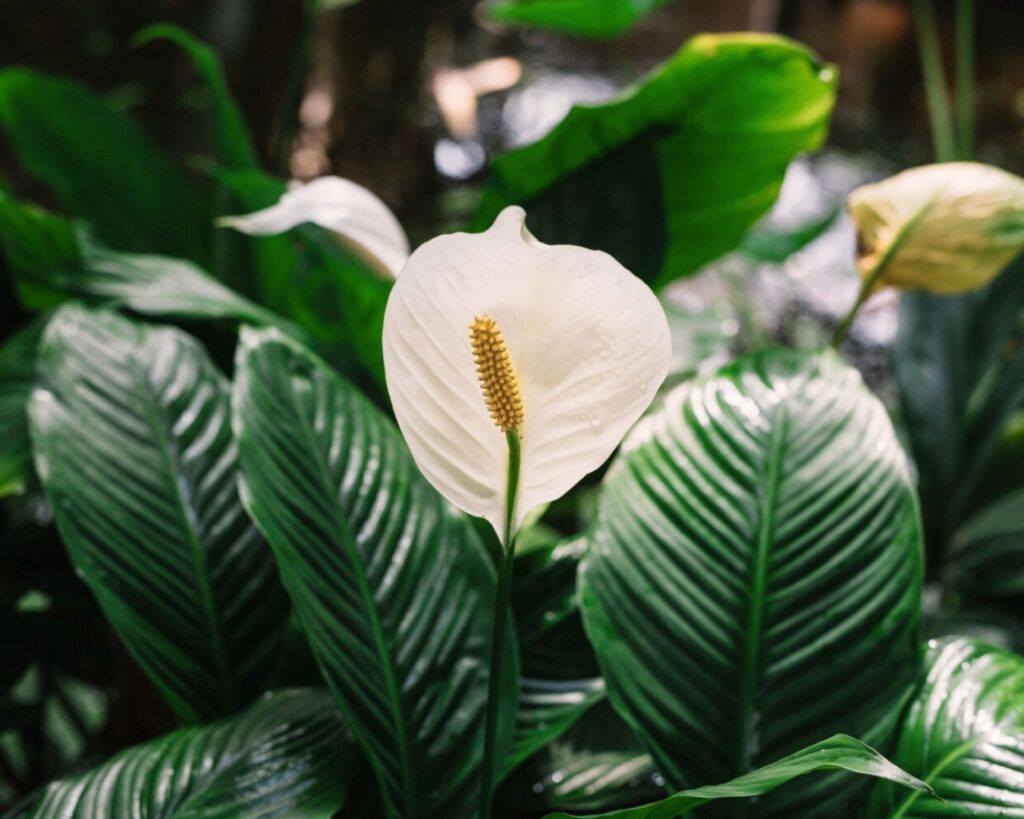
- Light preferences: Bright, indirect light.
- Soil preferences: Well-drained, moist soil.
- Watering needs: Loves moist soil, so water when the top inch or two have dried out
- Climate needs: Warmth and humidity.
- Plant quirks: Peace lilies help purify the air in your home by absorbing trichloroethylene and benzene.
- Ok for pets? No
Tropical houseplants for your personal indoor rainforest
So, whether you’re a green-thumbed wizard or just starting out, there are plenty of gorgeous tropical houseplants to suit your home and lifestyle. It doesn’t matter if you live in a skyscraper, you can still care for your own little piece of rainforest!
And if this has inspired you to set your sights on something bigger, then sign up to our email list for stories from the Earth’s most beautiful tropical forests—and learn how you can help protect them through simple everyday actions.
Together, we’re building a future where people and nature thrive. Sign up today and join our movement.
"*" indicates required fields