Protecting farm workers’ rights is a critical issue—from stopping forced labor and workplace violence and harassment to strengthening health and safety. These challenges couldn’t be more serious, but what if part of the solution is making human rights awareness activities more interactive and engaging? Can “gamified” trainings help us advance workers’ rights?
These were the questions at the heart of a recent Rainforest Alliance-led project with Quizrr, an award-winning education technology company. Together, we developed and piloted gamified digital training modules on farm workers’ rights for workers and managers on Rainforest Alliance Certified tea estates and coffee and cocoa farms across India and Mexico. The modules combined live-action films, animated infographics, audio support, and interactive quizzes. But technology was only one part of the approach. The biggest gamechanger? Workers and managers helped develop the modules themselves, with their experiences shaping the topics, scenarios, language, and delivery methods.
After two years, the results point to a more engaging and effective way to help farmers and workers not only understand their rights but also take a more active role in raising concerns and identifying solutions.
Starting with workers’ realities
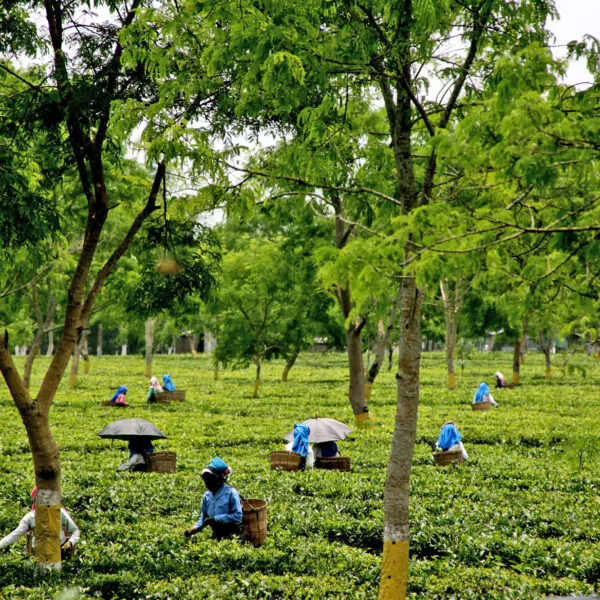
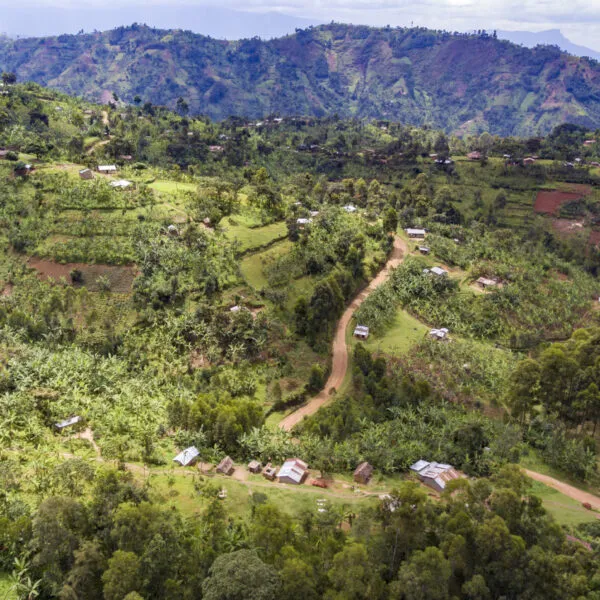
The lush, stepped tea estates of Assam and forested coffee-growing highlands of Chiapas and Veracruz are half a world apart. Yet while the crops and environments may differ, workers in both regions face similar human rights challenges.
India is the world’s second-largest tea producer. In Assam alone, around 900,000 permanent workers—about half of them women—fuel the tea industry. Women workers may face discrimination and harassment, making safe ways to raise concerns especially important.
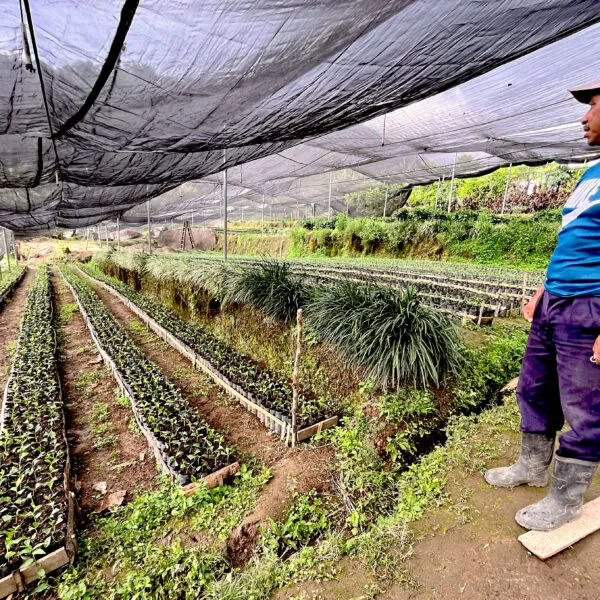
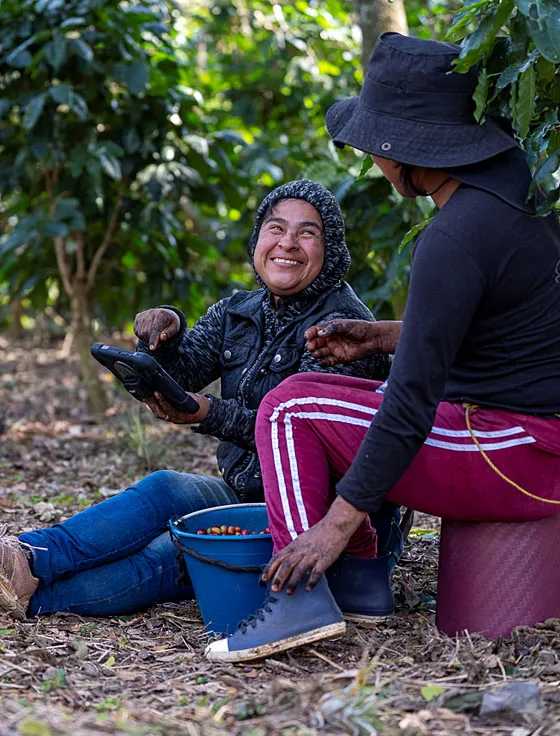
In Chiapas and Veracruz—two of Mexico’s most important coffee-producing states— migrant workers make up a significant part of the coffee workforce. These workers can be vulnerable to poor working conditions and discrimination, while women migrant workers often have to deal with additional risks, including violence and harassment.
Across both settings, workers need to not only understand their rights, but know where to turn when something goes wrong, and also feel able to speak up. That’s exactly what this project set out to address.
But before we could begin addressing these realities, we had to stop and listen. We sat down with workers to identify the workplace situations, barriers, and knowledge gaps the modules needed to target. Their input informed both the content and the way it was communicated.
Modules focused on workers’ rights—specifically grievance mechanisms and remediation processes—in line with human rights due diligence principles and the OECD-FAO Guidance for Responsible Agricultural Supply Chains. But the aim went beyond delivering valuable information. Our goal was to ensure that workers could also easily absorb what they were learning and immediately apply it in their daily life.
What is a grievance mechanism?
According to the United Nations Guiding Principles on Business and Human Rights, a grievance mechanism is a process through which a grievance or complaint related to human rights abuses can be raised by a worker and an effective remedy can be sought.
On Rainforest Alliance Certified farms, we require farmers and companies to ensure a formal or non-formal grievance mechanism is in place that includes the steps of submission of the complaint, treatment, remediation, and monitoring. The mechanism is designed to be used by workers and employees as well as local communities, civil society organizations, and individuals, including whistleblowers.
Gamified human rights trainings in local languages
Crucially, the training was delivered in local languages—Assamese in India and Spanish, Nahuatl, and Tsotsil in Mexico. But we didn’t simply translate the same content word for word. Rather, we worked to ensure that each module was tailored to local literacy levels, as well as cultural context and workers’ familiarity with digital tools.
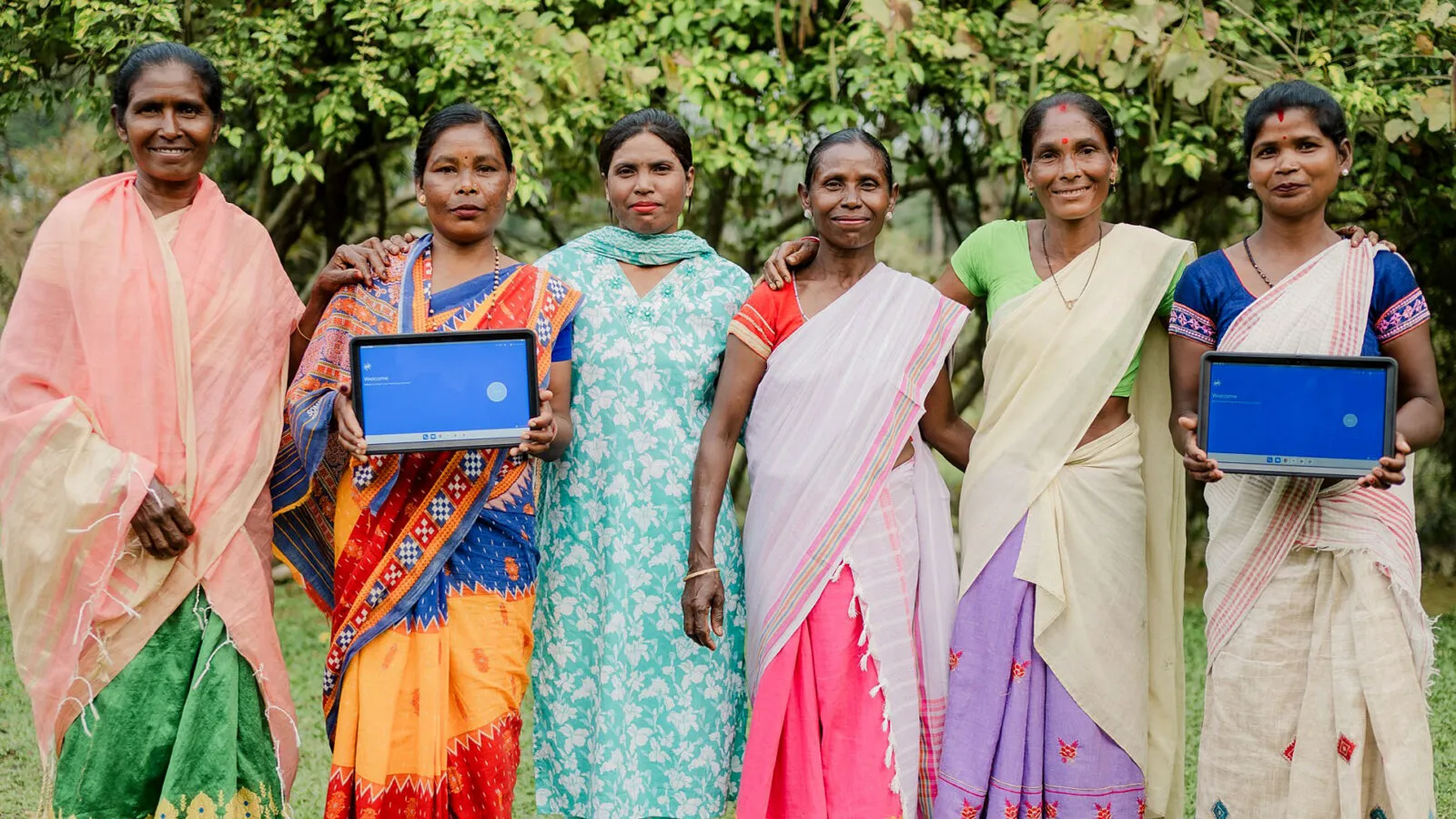
This was especially important in Mexico, where many Indigenous women workers primarily spoke Nahuatl and Tsotsil rather than Spanish and had often not received training in a language they fully understood before. Live-action films and animated infographics presented situations workers could recognize, audio support made the content more accessible, and interactive quizzes let participants test their understanding as they went. Training took place on tablets and mobile devices, including in areas with limited connectivity. Group sessions also supported workers who were less comfortable with technology. This combination helped unlock understanding for workers previously excluded from conventional training formats.
“After completing the training program, workers told us how valuable, unique, and engaging the experience was for them,” explained Nimisha Katakee, the Rainforest Alliance’s project lead in India.
In Mexico, our project lead Irvin Hernandez shared that participants reported feeling more confident speaking up and working together as a team after the training sessions.
Live action training film in Assamese depicting a grievance dialogue scenario on an tea estate. See the English version.
Significant learning gains across two very different settings
The pilot reached 7,333 workers and managers across participating tea estates and farm groups. Participation was almost evenly balanced by gender, with 49 percent women, 50 percent men, and 1 percent recorded under “other.”
In India, understanding of grievance mechanisms rose from 58 percent before the training to 95 percent afterward, while understanding of remediation increased from 64 percent to 97 percent.
In Mexico, understanding of grievance mechanisms increased from 38 percent to 77 percent. Knowledge of remediation also improved considerably. Before the training, 62 percent of participants were unfamiliar with the concept. Afterwards, 95 percent were able to correctly identify it.
Testing the approach in two distinct regions showed that gamified training for farm workers’ rights can work across different agricultural settings when it is shaped around the people using it.
Turning awareness into stronger systems
Beyond knowledge gains, the pilot generated valuable anonymized data that can help farmers and companies see where knowledge gaps still exist and focus prevention and remediation efforts accordingly.
The project also highlighted that the conditions around training are just as important as the content itself for learning and retention. That means workers need enough paid time to complete it, appropriate spaces to participate, support when using unfamiliar technology, and access to information in languages they understand. “Now that the pilot has concluded, we are exploring how these lessons can shape future human rights training and reach more workers,” says Sara Monti, the Rainforest Alliance lead for human rights and social impact. “An important next step will be understanding whether greater awareness leads to more farmers and workers using grievance channels and better outcomes when concerns are raised.”
Farmers and workers have always been at the center of our work at the Rainforest Alliance, and this pilot showed that when training is a direct reflection of their experiences and realities, it can do more than build awareness—it can also help them feel more prepared to act on their rights. Match that preparation with farm managers, grievance committees, and companies that are ready to listen and respond, and gamified training becomes a catalyst for meaningful change.