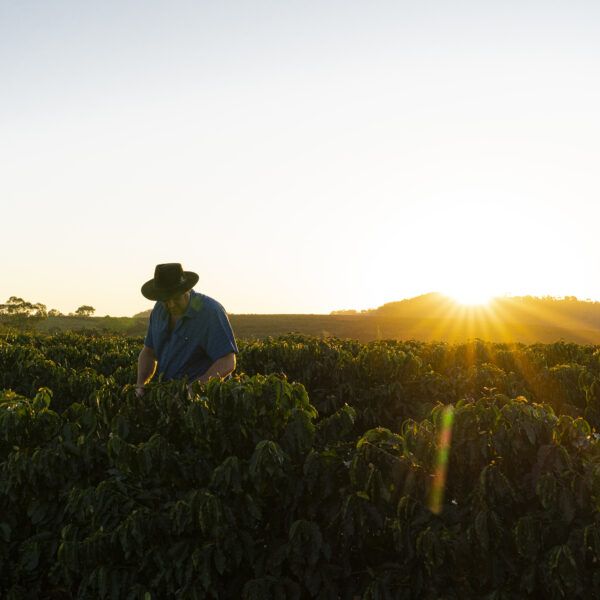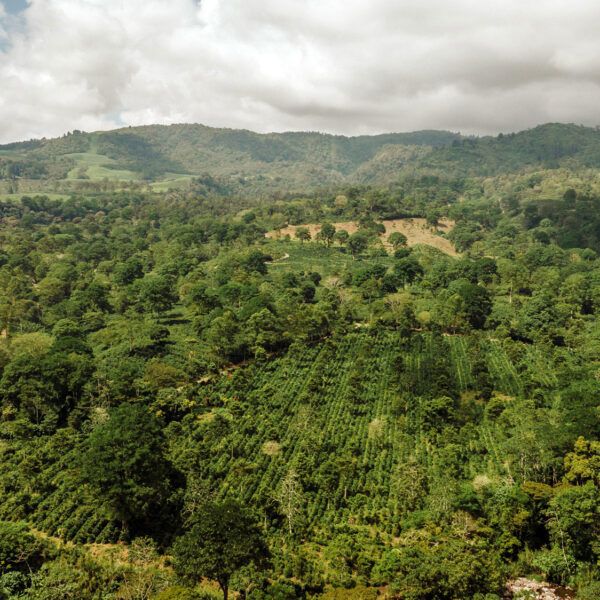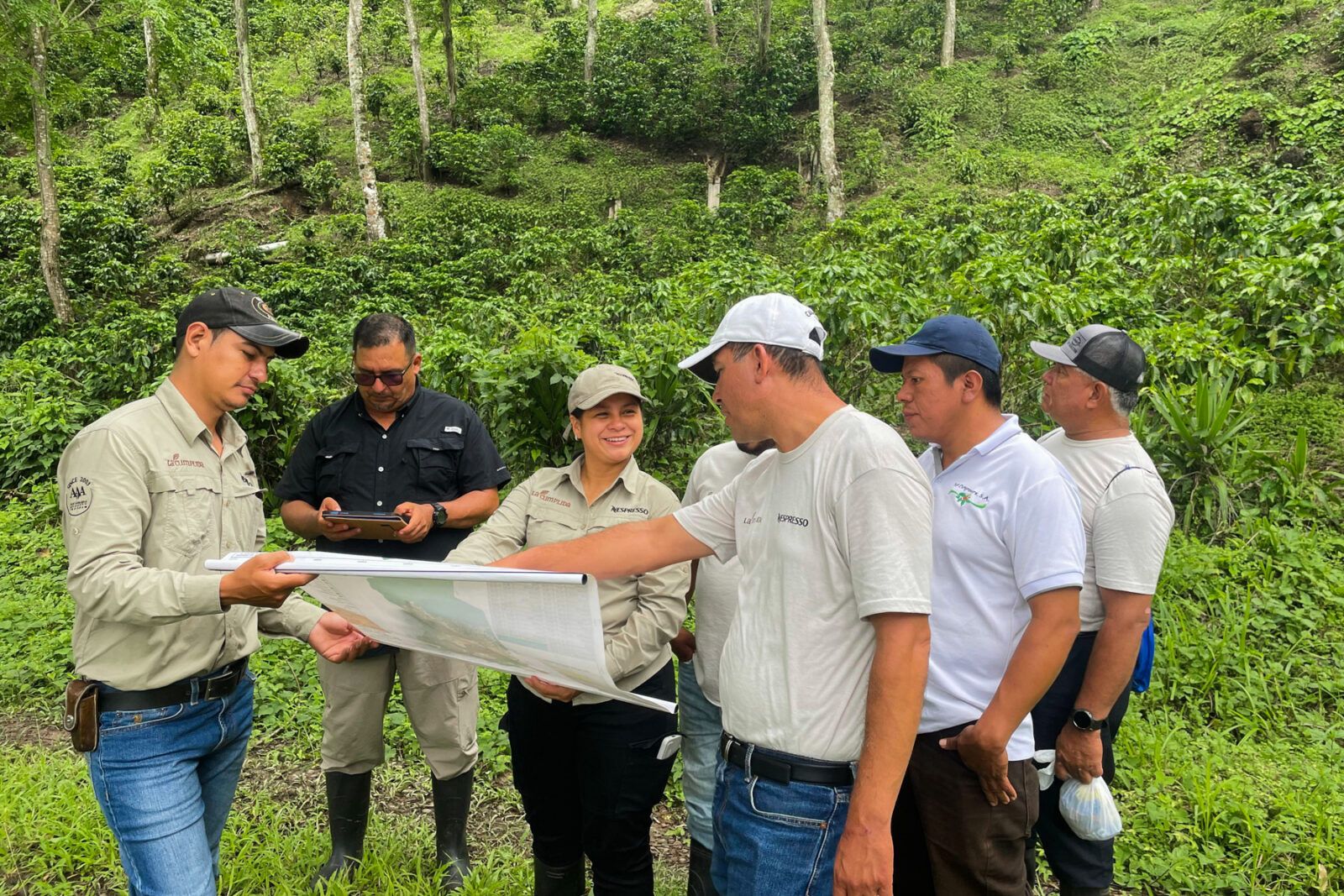
“Soil is not a machine”, says Dayanara Soza, who oversees sustainability for La Cumplida, a 5,400-acre coffee farm in Nicaragua’s northern highlands. “We have to listen to it and treat it as it deserves.”
That’s just what La Cumplida is now doing as the first farm in the world to become Rainforest Alliance Certified Regenerative. This new certification covers all the most essential parts of our renowned, decades-old Sustainable Agriculture Certification, while going further on soil restoration, biodiversity, and climate resilience.
Rainforest Alliance Certified for more than 20 years, La Cumplida was well-positioned to take on the new certification—and the farm administrators were eager to do so. “Regenerating is not only conserving, but also healing—healing the soil, healing the ecosystem, and also our way of thinking,” Soza explains.
Here the experts at La Cumplida share how the new Rainforest Alliance Regenerative Agriculture Certification has helped guide and improve their practices—from the ground up.
Soil health and fertility
While La Cumplida had already been reforesting and using other soil-enhancing practices, the requirements of the new standard let the team intensify and broaden their approach. Increased soil cover (in the form of mulch, soft weeds, and cover crops), along with the introduction of beneficial microbes to boost soil nutrients, are just two of the practices that boosted soil health and fertility on the farm.
The deepened practices have already paid off. The organic matter in the soil has increased by almost half a percentage—an important improvement since soils with higher organic matter often translate into sustainable systems because of their higher productivity, more consistent yields, and greater long-term profitability.
“The health of our [coffee] plants is improving because the soil is richer,” Noel Rodríguez Peralta, production manager for La Cumplida, says. “The life that is in the soil is the important thing.”
Biodiversity
Healthy soils teem with a diversity of bacteria, fungi, earthworms and insects—all of which help maintain soil structure, nutrient cycling, and plant health. “When we entered the [coffee] lots before, we did not see spiders,” Enrique Arceda, the farm’s regenerative agriculture lead, says. “Now we see spiders and bees. We know that the bee is a very good indicator of ecosystem health.”
Larger fauna, like rodents and deer, have also returned. The re-appearance of two bird species in particular offer a beautiful example of how regenerative agriculture works: These two small birds feed on the coffee berry borer—a beetle that is among the world’s most harmful pests to coffee crops. By taking soil-health measures like increasing vegetation, the farm inadvertently called in a natural predator of the borer, thereby reducing the need for pesticides. The fewer pesticides, the healthier the soil; the healthier the soil, the better the coffee plants grow and flourish. Arceda says the farm has reduced its pesticide use by 60 percent.
Climate resilience
Better soil practices also contribute to better climate resilience. With robust root systems and strong soil structure, healthy soils are less susceptible to erosion caused by heavy rains. Soil-boosting practices such as maintaining ground cover—required by our standard—and planting vegetation also help the soil retain moisture in times of drought.
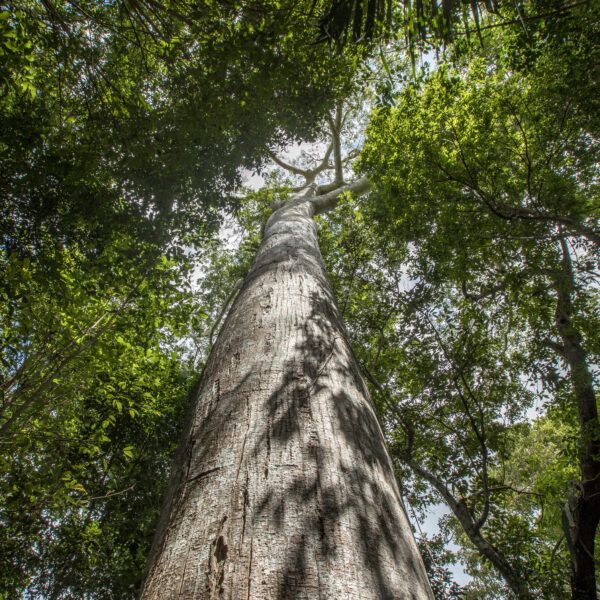
In addition, our standard promotes agroforestry—the practice of planting trees alongside crops—which further stabilizes the soil, and the shade these trees create help regulate microclimates. The standard also prioritizes climate-resilient plant varieties.
The new certification “gets to a level of detail of farm practices that we’ve never seen before,” farm owner Eric Ponçon says. “It helps take practical action to not be a victim of climate change but be proactive in facing it.”
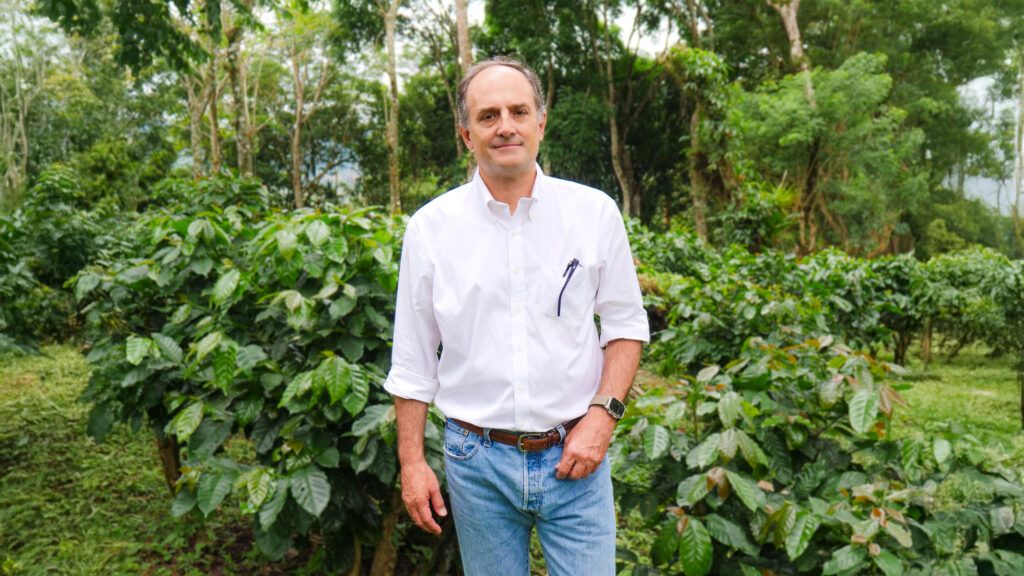
“A fantastic way forward”
Ponçon, who took over La Cumplida and its parent company Cafetalera Nica-France from his father in 1992, says he’s delighted with the new certification. “We learned from my father don Clemente that sustainability is not an end goal. It’s a journey, a spiritual route, and a commitment to future generations.”
Rainforest Alliance Regenerative Agriculture Certification, he says, is a “fantastic way forward.”