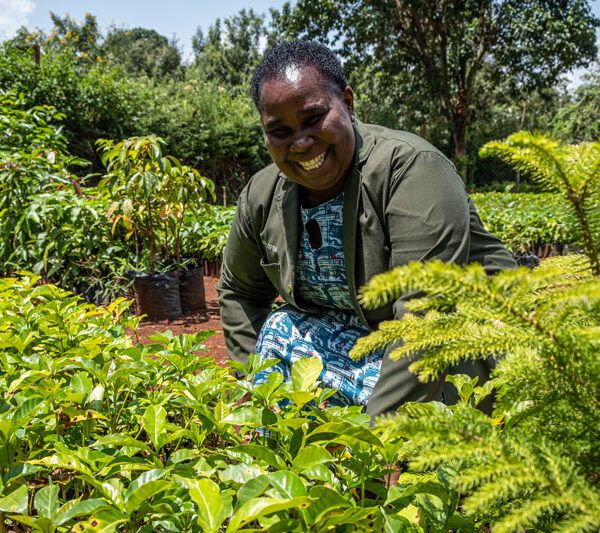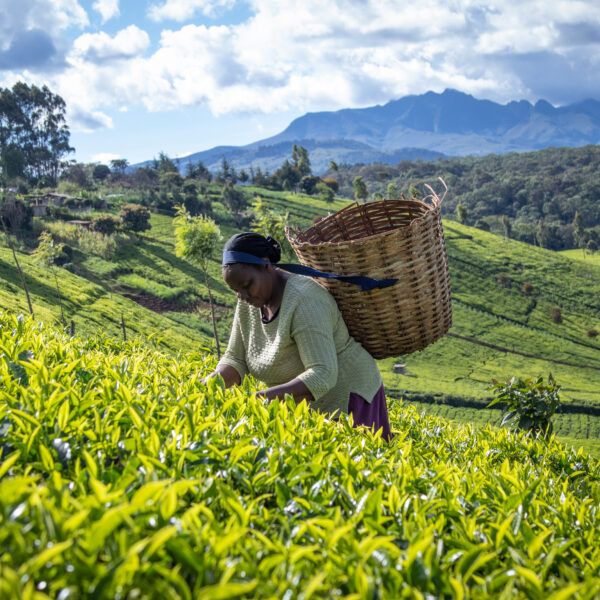
Let’s pretend for a moment that the bird that just flew into the coffeeshop isn’t an angry pigeon out for crumbs and revenge, but a delicate, tropical songbird–a coffeeshop might not be that different from its preferred hangout of a shaded coffee farm! Shade-grown coffee farms are favored retreats for billions of migratory birds, accounting for 2.7 million hectares of “forest” in Mesoamerica, the Caribbean, and Colombia. These farms play a vital role for wintering birds, especially where forests have been cleared to make room for agriculture.
Unlike sun-grown coffee–where trees have been chopped down–these leafy oases offer a shady canopy filled with insects, fruit, nectar, and shelter to migrating birds. And when migratory birds thrive, it means the ecosystem around them is thriving too. Shade trees on farms support biodiversity from soil to sky; they prevent erosion, retain water, ensure fewer fertilizers and pesticides are needed, and can provide farmers with additional sources of income, like fruit. Shade-grown coffee isn’t just more bird-friendly; it’s flavour-friendly too, ripening slower and developing a more complex bouquet.
So, who are shade-grown coffee’s BFFs (Best Feathered Friends)?
Shade-Grown Coffee’s BFFs (Best Feathered Friends)
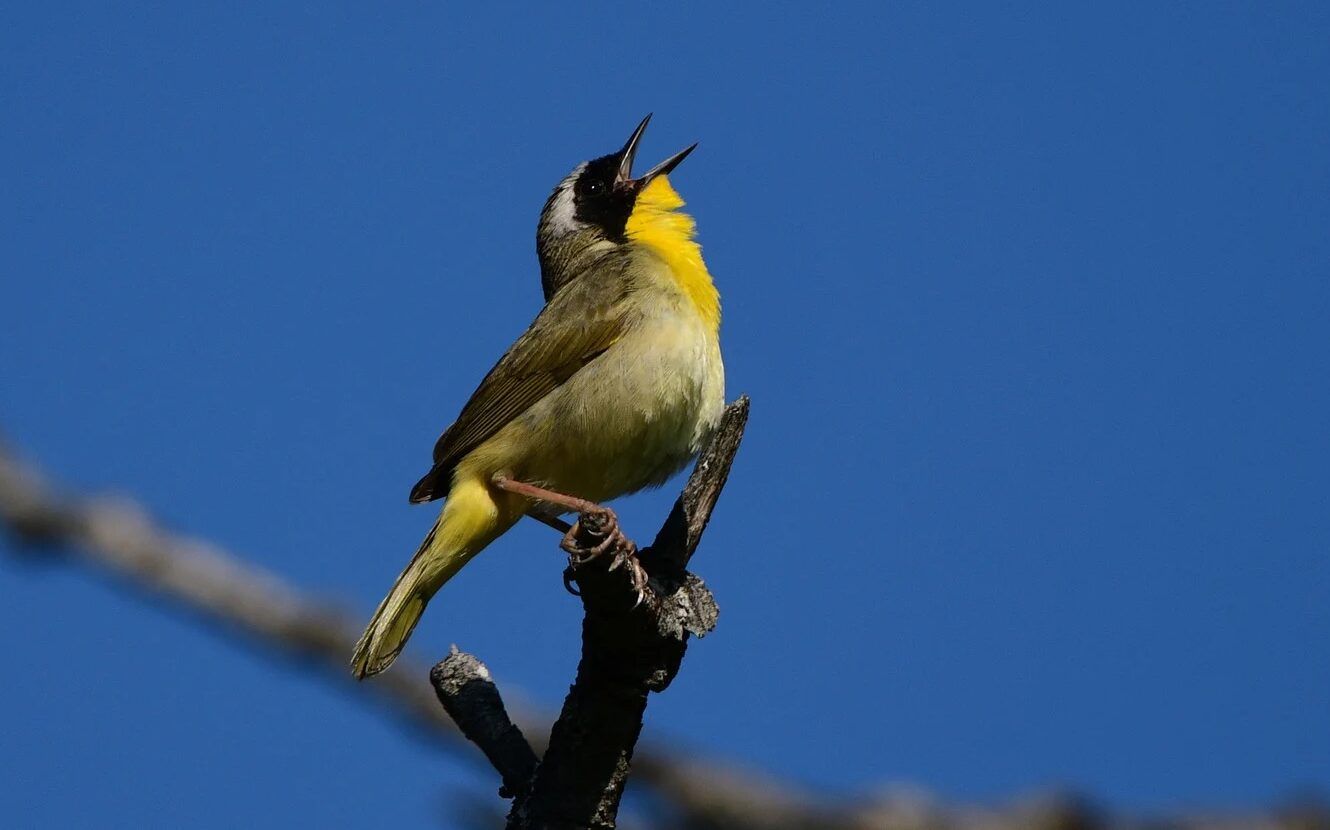
From strikingly colourful warblers to shimmering hummingbirds, coffee farms attract some of the bird world’s most beautiful species. Here’s ten birds to daydream about while you sip your next cup of Rainforest Alliance Certified coffee.
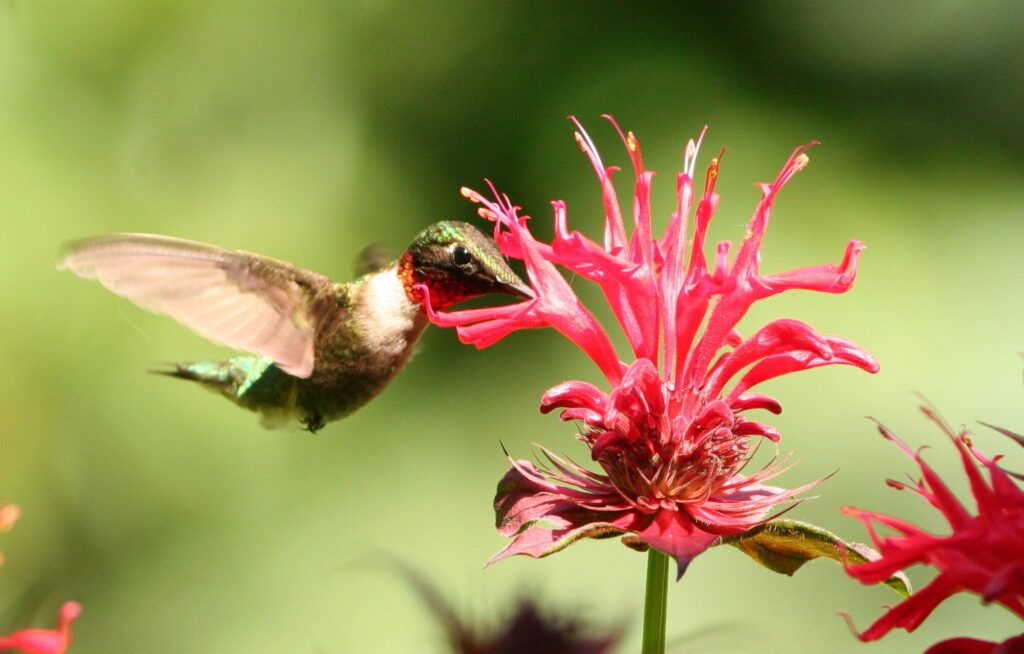
Ruby-Throated Hummingbird
- Geographic range: North and Central America
- Known to visit shade-grown coffee farms in: Central America and the Caribbean
These tiny, iridescent birds beat their wings around 50 times per second. Considering that they can migrate from as far as Canada to Costa Rica, that’s a pretty intense wing-workout!
Cerulean Warbler
- Geographic range: North and Central America
- Known to visit shade-grown coffee farms in: Colombia, Venezuela, Ecuador, and Peru
This blue songbird hails spends its breeding season in North America–particularly the Appalachian Mountains–and has a clear favorite when it comes to their winter migration: When they fly south for winter to the Andean sub-montane forests, there can be three to 14 times more warblers living on shade-grown coffee farms than the neighboring primary forest.
Scarlet Tanager
Geographic range: Eastern North America and South America
Known to visit shade-grown coffee farms in: Ecuador, Bolivia and Peru
When these crimson beauties travel south for winter, their plumage changes from red to yellow and black. They spend their winter feasting on fruit and insects in coffee farm shade trees.
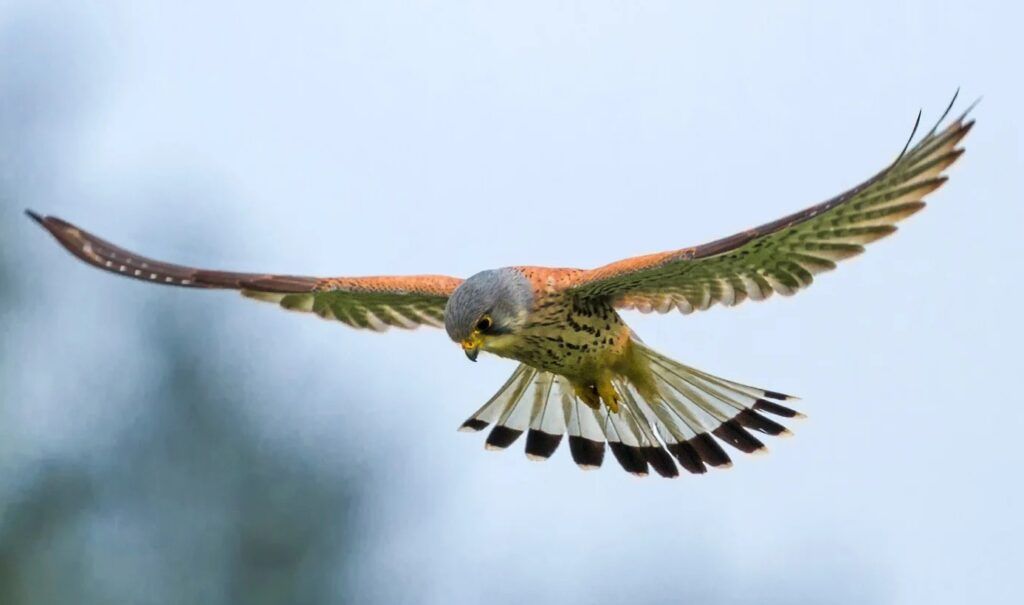
American Kestrel
- Geographic range: North, Central, and South America
- Known to visit shade-grown coffee farms in: Guatemala, Colombia, and Peru
American kestrels are the smallest falcons in North America, but they can still migrate vast distances. These birds are Nature’s pest control, using its ultra-violet vision to hunt insects and rodents on the shade-grown coffee farms they visit during the winter.
Golden-winged Warbler
Geographic range: Northeastern US and Canada, Central America, northern South America
Known to visit shade-grown coffee farms in: Costa Rica, Nicaragua, and throughout Central America
Studies have found that female golden-winged warblers are more likely to be found outside of coffee farms, while males are more likely to be within coffee farms!
Swainson’s Hawk
Geographic range: Western North America, northern Mexico.
Known to visit shade-grown coffee farms in: Brazil and South America
Large kettles (flocks) of hundreds of Swainson’s hawks migrate each year from western North America to southern Brazil, eastern Argentina and Paraguay—one of the longest migrations of any raptor.
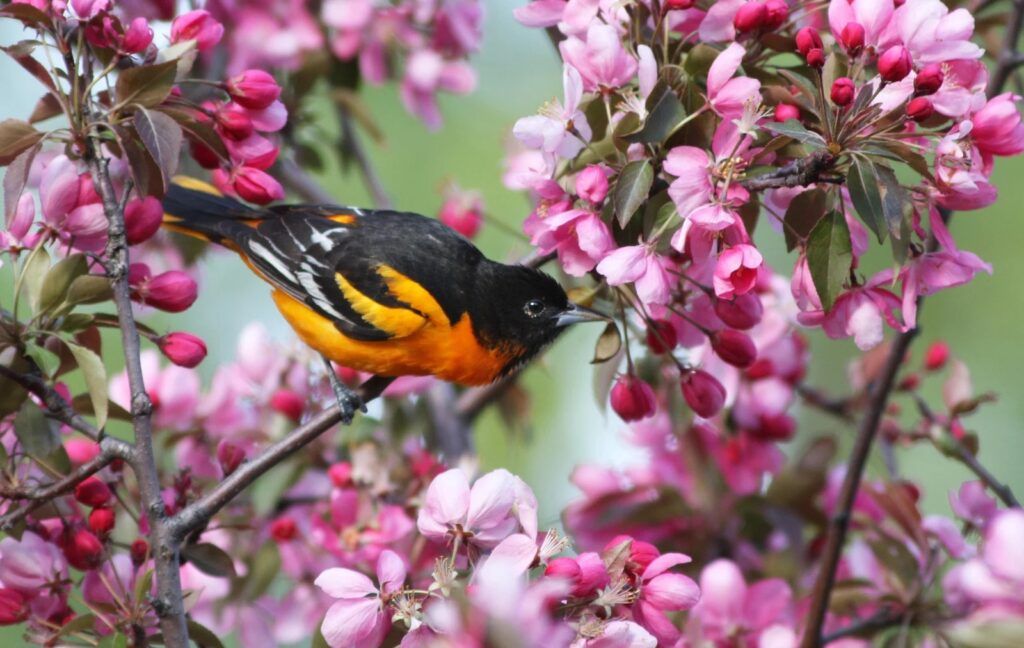
Baltimore Oriole
Geographic range: Eastern North America, Central America.
Known to visit shade-grown coffee farms in: Mexico and throughout Central America
The Baltimore Oriole has a serious sweet tooth, and is a beloved regular at North American bird feeders (try putting out some orange slices!). Many coffee farms in the Americas use shade trees that flower abundantly during the dry season, providing vital nectar and pollen to visiting orioles.
Golden-cheeked Warbler
Geographic range: Texas, USA, and Central America
Known to visit shade-grown coffee farms in: Southern Mexico, Guatemala, Honduras, El Salvador, and Nicaragua
Each year, this small, endangered songbird migrates to shade-grown coffee farms in Mexico and Guatemala from its nesting grounds in Texas. In fact, it’s the only bird known to nest exclusively within the state.
Gray Catbird
Geographic range: North America, Central America, and the Caribbean
Known to visit shade-grown coffee farms in: Central America and the Caribbean
These famed mimics love the fruit and berries offered by shade trees on coffee farms. They can make all kinds of noises, imitating everything from man-made machinery to tree frogs–imagine that strange symphony as you walk around your farm!
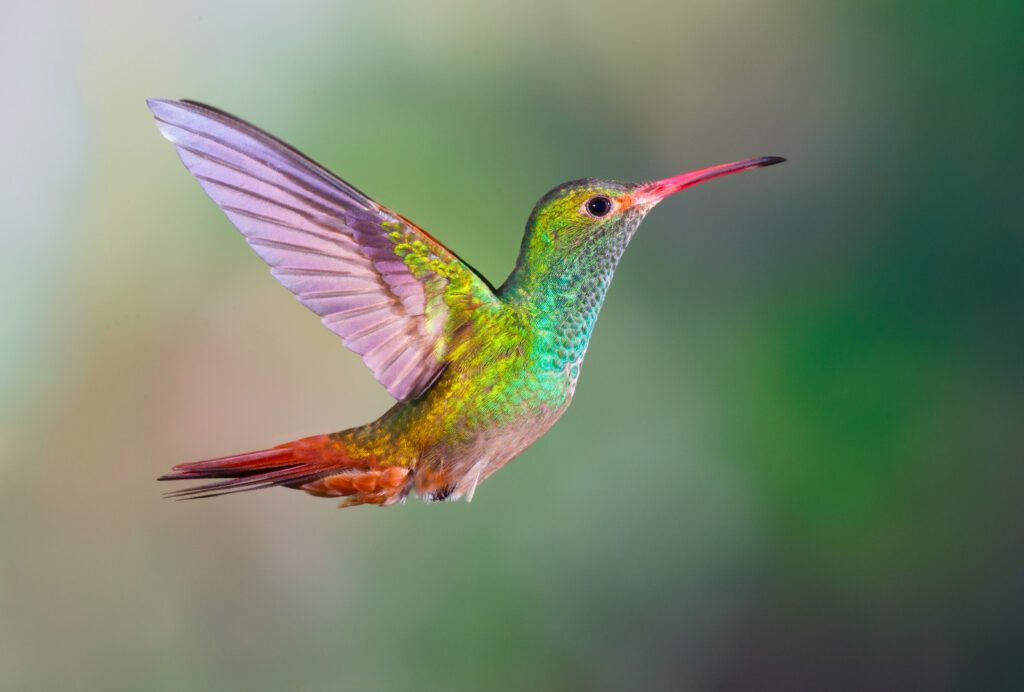
Rufous-tailed Hummingbird
Geographic range: Central America and northern South America
Known to visit shade-grown coffee farms in: Mexico, Colombia, Ecuador, and Venezuela
These hummingbirds love wintering in shade-grown coffee and cocoa farms. And it needs that well-earned warm break: it has the longest migratory journey (Alaska to Mexico) of any bird relative to body size!
So the next time you’re listening to the birds chirp while you’re making your morning coffee, make sure you’re choosing shade-grown coffee to keep the birds happy and singing. (And sign up to our mailing list to enjoy more interesting stories about nature while you sip that cuppa!)
Together, we’re building a future where people and nature thrive. Sign up today and join our movement.
"*" indicates required fields