Thriving Communities, Healthy Landscapes
We're helping more than two million farmers embrace more sustainable growing practices that can help build resilience to climate change and boost yields.
Across the tropics, farming and forest communities face a daily struggle to cover life’s basic needs. Breaking the cycle of rural poverty—and tackling the ensuing impacts for people and nature—is critical for a more sustainable future for us all.
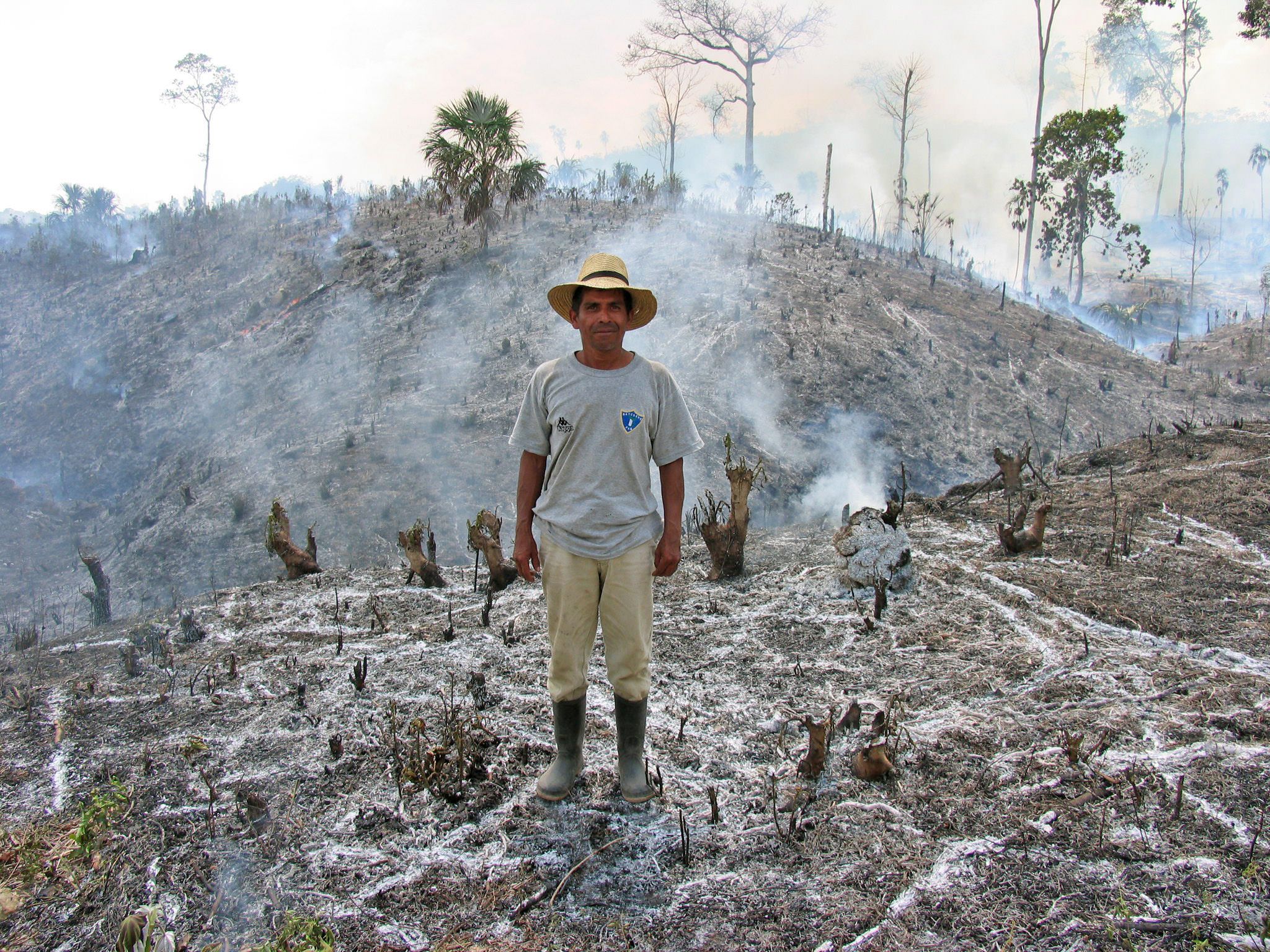
Rural poverty is at the root of many of our most pressing global challenges, from child labor and poor working conditions to deforestation for agricultural expansion. Economic desperation exacerbates these complex issues, which are deeply embedded in global supply chains. The result is a vicious cycle of environmental destruction and human suffering.
The Rainforest Alliance partners with frontline communities to build thriving rural economies rooted in more sustainable growing practices and forest stewardship. We also promote responsible business practices to ensure that companies recognize and reward sustainability transformation—in the field as well as the boardroom.
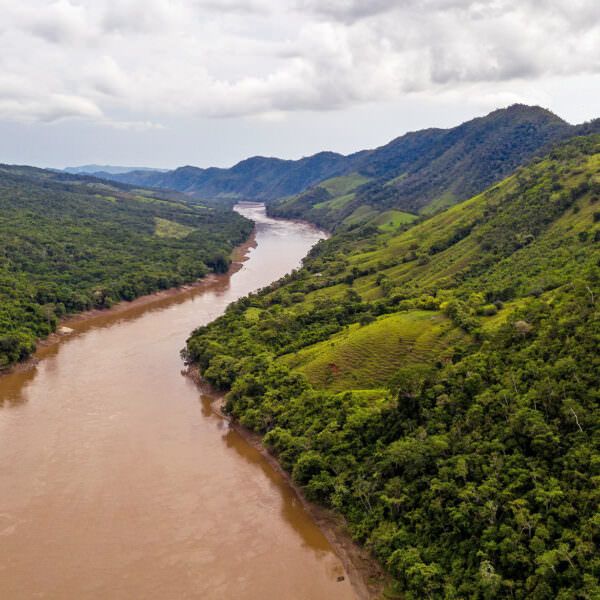
We're helping more than two million farmers embrace more sustainable growing practices that can help build resilience to climate change and boost yields.
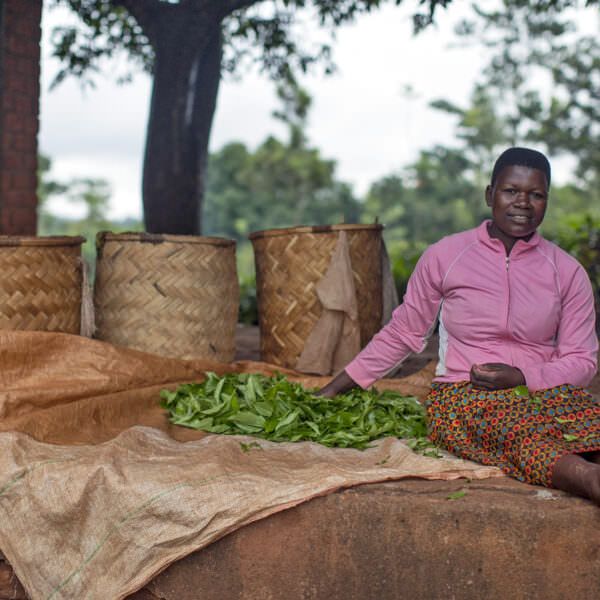
To improve rural livelihoods, we foster deep collaboration between farmers, civil society organizations, companies, and governments.
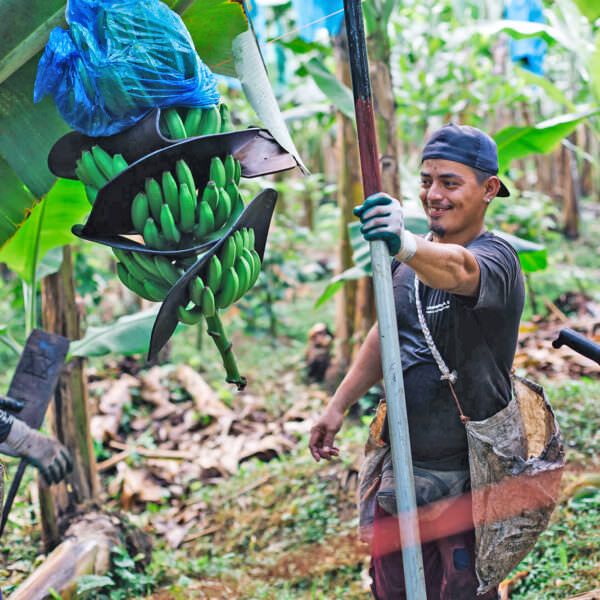
The Rainforest Alliance believes that workers around the world should be paid enough money to provide a decent life for themselves and their families.

Upgraded certification scheme, covering over 2 million farmers, will use technology to help them adapt to climate change, protect forests and spot social risks.

The Rainforest Alliance’s sustainability certification is evolving, with the publication on June 30 of a new program with more robust criteria, measurement, and impact featuring several key innovations.

The pandemic has focused attention on how dependent we all are on what happens in other parts of the world for the products we use every day. Current innovations in sustainability certification can help build more resilient supply chains through a stronger focus on continuous improvement, transparency and shared responsibility.

All players in the food supply chain must work together to ensure that these emerging technologies catalyze an era of more responsible farming.

As people around the globe mark World Rainforest Day, Mohammad Zainuri Hasyim of the Rainforest Alliance in Indonesia says we must start recognizing the power of Indigenous and local communities in preserving this vital natural resource.

When Guatemala created a major reserve 30 years ago, environmentalists complained that too much land was entrusted to local people and not converted to parks. Now, the parks have been overrun by ranches linked to drug traffickers, while the community-run lands are well preserved.