Thriving Communities, Healthy Landscapes
We're helping more than two million farmers embrace more sustainable growing practices that can help build resilience to climate change and boost yields.
Across the tropics, farming and forest communities face a daily struggle to cover life’s basic needs. Breaking the cycle of rural poverty—and tackling the ensuing impacts for people and nature—is critical for a more sustainable future for us all.
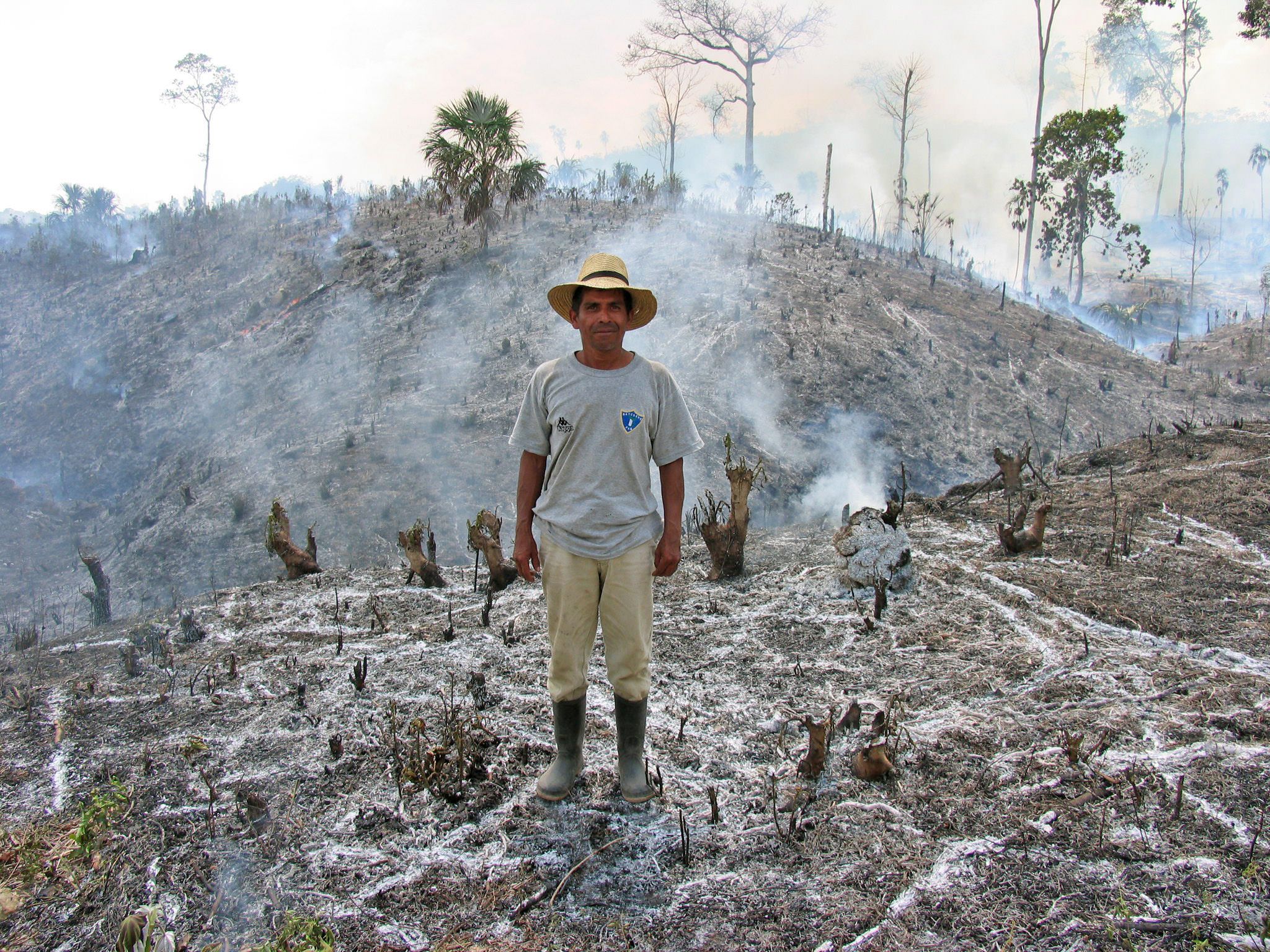
Rural poverty is at the root of many of our most pressing global challenges, from child labor and poor working conditions to deforestation for agricultural expansion. Economic desperation exacerbates these complex issues, which are deeply embedded in global supply chains. The result is a vicious cycle of environmental destruction and human suffering.
The Rainforest Alliance partners with frontline communities to build thriving rural economies rooted in more sustainable growing practices and forest stewardship. We also promote responsible business practices to ensure that companies recognize and reward sustainability transformation—in the field as well as the boardroom.
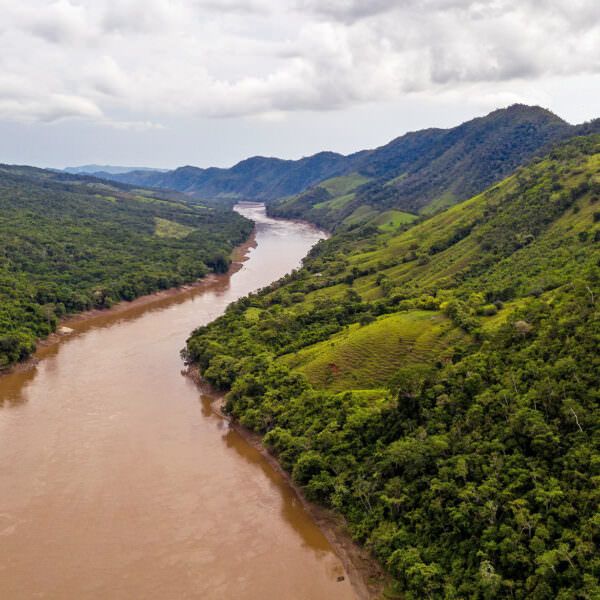
We're helping more than two million farmers embrace more sustainable growing practices that can help build resilience to climate change and boost yields.
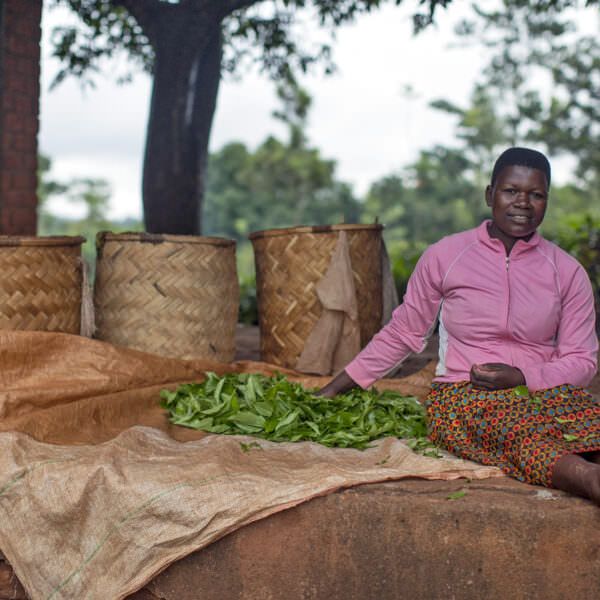
To improve rural livelihoods, we foster deep collaboration between farmers, civil society organizations, companies, and governments.
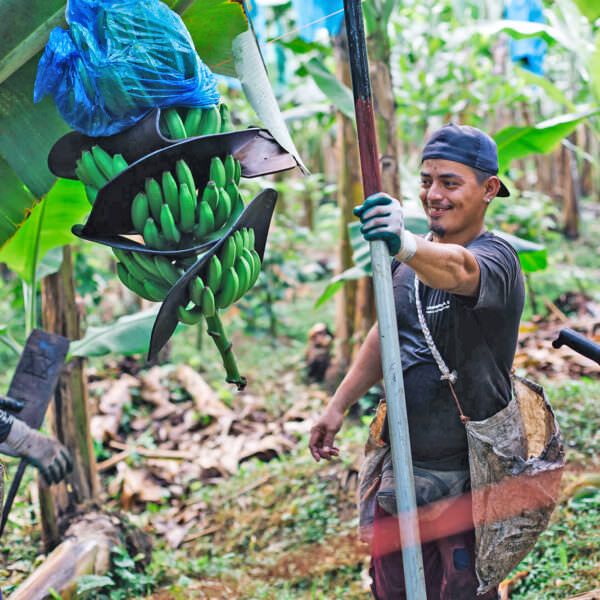
The Rainforest Alliance believes that workers around the world should be paid enough money to provide a decent life for themselves and their families.
Leap into our 2024 Annual Report to see the advances we’ve made toward a brighter future.
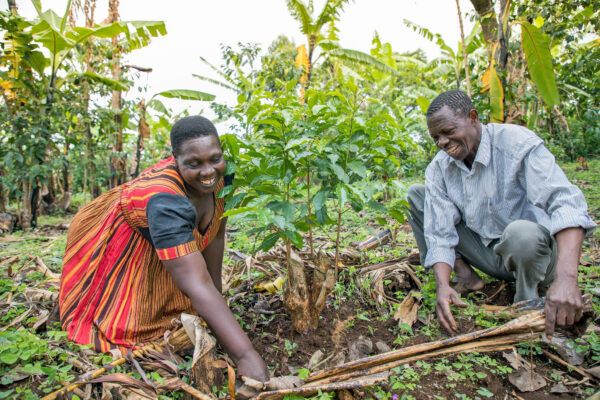
Smallholders produce one-third of the world’s food, making them the quiet backbone of global agriculture—and a key piece of the sustainability puzzle. ... Continue Reading
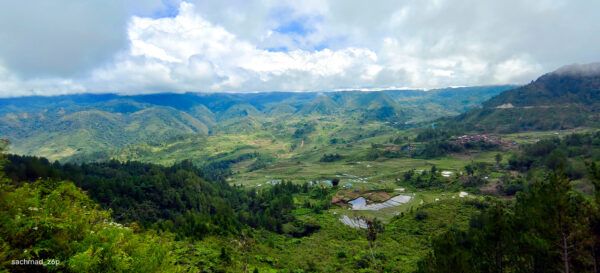
The Sustainable Farming in Tropical Asian Landscapes (SFITAL) project aims to link small-scale producers to global supply chains in an environmentally sustainable, economically viable, and socially responsible manner.... Continue Reading
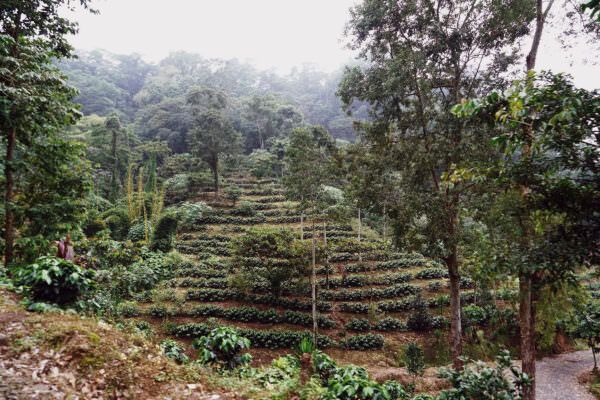
Definitions differ, but at its heart, sustainable agriculture is about meeting the needs of the present, without sacrificing those of tomorrow—it’s farming that is environmentally sound, socially responsible, and profitable for farmers.... Continue Reading
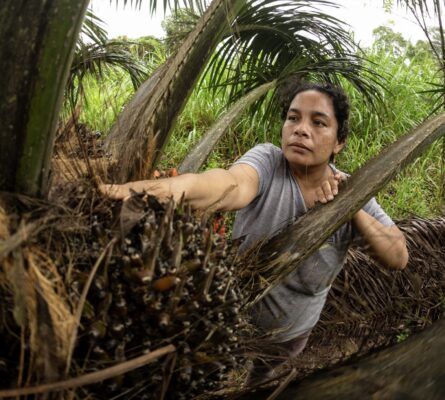
Rates of forest and biodiversity loss are accelerating throughout the tropics alongside escalating global impacts of climate change. Commodities such as coffee, timber, palm oil, rubber, and cocoa drive much of this deforestation. We need transformative solutions to ensure a climate-positive future that creates long-term benefits for people and nature. The Business Case for Collective […]
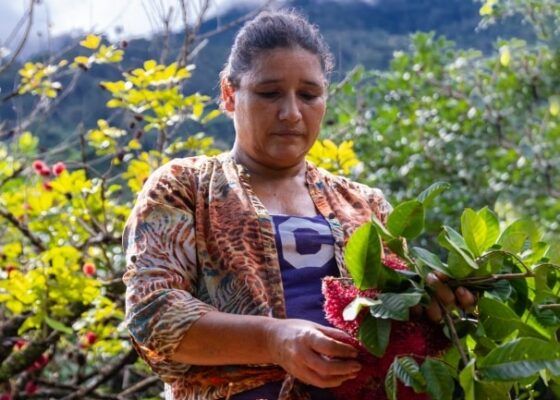
The northern Atlantic region of Honduras has vast production and forest corridors. The region offers excellent agroecological conditions for diverse and sustainable production of key commodities such as timber, shade-grown cocoa and cardamom, and exotic and citrus fruits. However, dominant production models are unsustainable, contribute to widespread production inefficiencies, and deteriorate the natural resources that […]