We believe that educating kids about nature—and inspiring them to act on its behalf—is more urgent now than ever before. Michael Gibbons, our director of creative and communications, shares why the Rainforest Alliance has created a free environmental curriculum to help teachers inspire and equip the next generation to protect our planet.
Beloved conservationist David Attenborough once said, “If children don’t grow up knowing about nature and appreciating it, they won’t understand it, and if they don’t understand it, they won’t protect it—and if they don’t protect it, who will?”
I couldn’t agree more. Today’s kids will inherit a planet in need of massive healing, and they’ll need a solid understanding of nature to create a sustainable future. And there is solid evidence to back up why environmental education is critical: Researchers have identified the education system as a “tipping element” in the effort to stabilize the Earth’s climate.
Environmental education: A boost to kids’ development
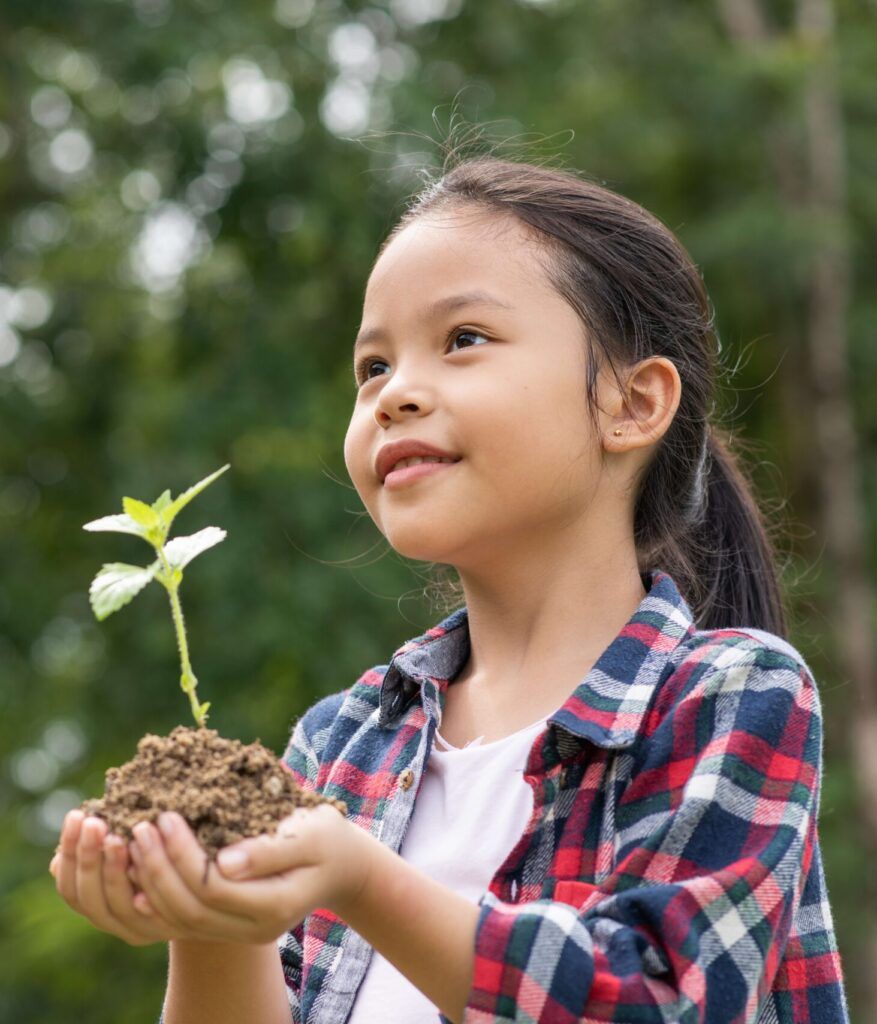
Environmental education isn’t just good for the planet—it’s good for kids! Why? It promotes research and problem-solving, curiosity and investigation, and encourages kids to form their own conclusions on complex issues, rather than accepting received wisdom. It hones critical and creative thinking skills, too. With so many facets, environmental education demands a multi-disciplinary approach, which is why our own environmental curriculum ties in math, history, art, and more.
Explore the Rainforest Alliance’s Environmental Curriculum
These are just some of the reasons the Rainforest Alliance has created a free environmental curriculum for teachers of all disciplines and grade levels. The downloadable lesson plans—which include videos, quizzes, worksheets, and math and art tie-ins—serve learners from age five to 18. Younger children will discover the wonder of rainforest animals and find out which everyday foods come from the rainforest, while older teens will learn about tropical food webs, global supply chains, and the critical role of Indigenous land defenders.
The curriculum has been designed to work in education systems around the world. In the US, for example, lessons align with Common Core and National Core standards. (Versions in English and Spanish will be available soon).
All the lessons, whether they involve games and art projects or international policy analysis, reflect the interconnectedness of our world, and the Rainforest Alliance’s holistic approach to making a better future for people and nature.
Discover resources for the whole family
While the curriculum is designed expressly for teachers (or home-schooling parents), we have plenty of other kid-friendly resources for families. Our wildly popular species profiles are as useful for school reports as they are fun for animal lovers. Parents can find helpful articles, too, such as our nature-themed book recommendations for kids, tips on how to attract hummingbirds to your garden, as well as a primer on how to talk to little ones about climate change.
Inspiring tomorrow’s sustainability leaders
There’s no one more important to our planet’s future than kids—something every teacher knows. And of course, if you’re a parent, there’s no one more important to you than your child. That’s why it’s so nice that an environmental education does great things for both kids and the Earth! We hope these resources inspire in your little one a passion for creating a better future for people and nature, just like we have at the Rainforest Alliance.
Check out our new Environmental Curriculum for schools
Calling all teachers and parents! Discover the Rainforest Alliance Environmental Curriculum for early learners to high schoolers (age 5-18). We have free, downloadable lesson plans—with videos, quizzes, worksheets, and math and art tie-ins—to inspire young students to understand and care for nature.