Community: The Secret to Stopping Deforestation in Guatemala
The forest concessions of the Maya Biosphere Reserve have boasted a near-zero deforestation rate for 20 years.
A full third of Mesoamerica is covered in lush forest, which serves as home to scores of Indigenous and local communities, iconic wildlife, archeological wonders, and abundant biodiversity. While agriculture is the backbone of the region’s economy, it also drives deforestation and climate change.
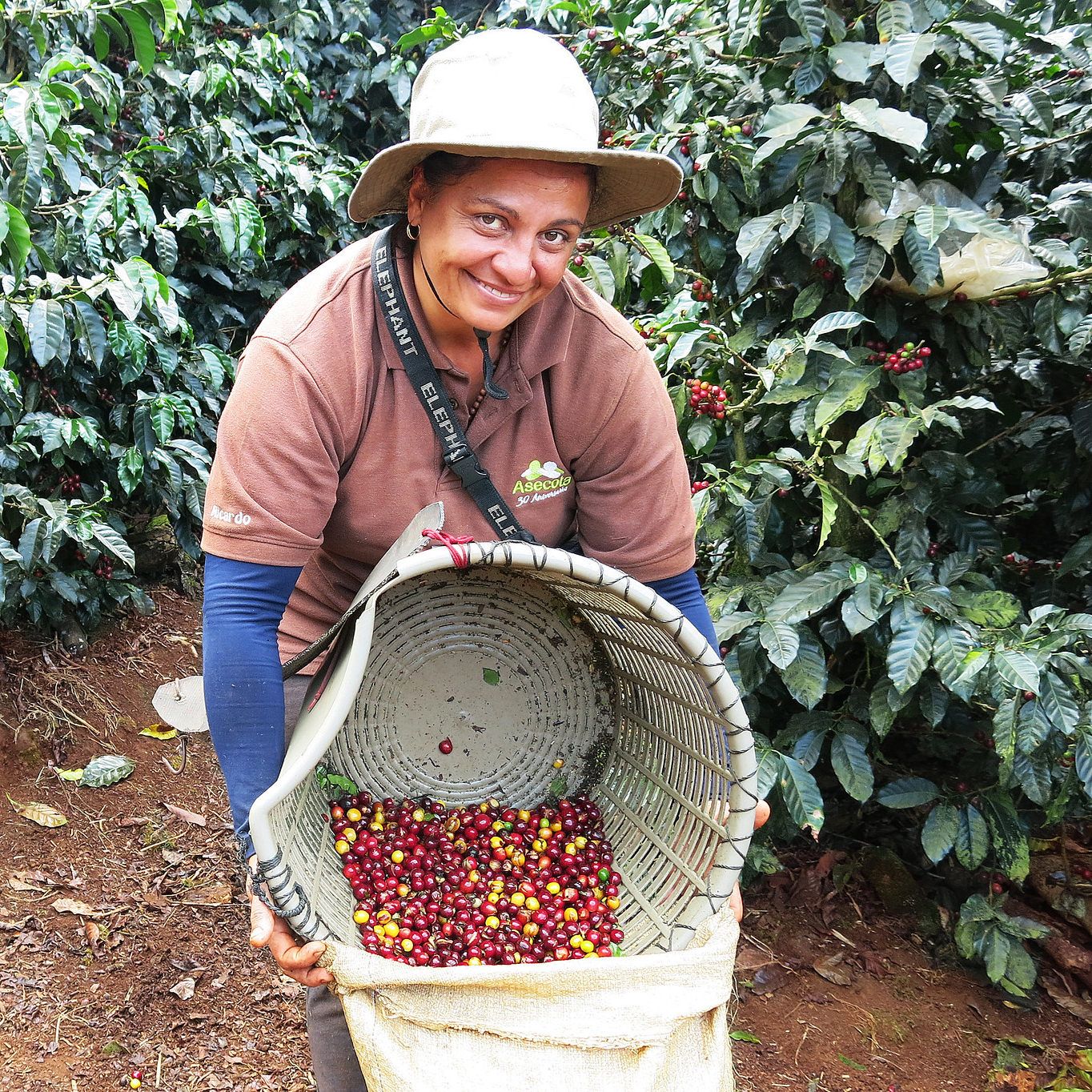
Prolonged droughts and frequent hurricanes are making it harder for farmers in Mesoamerica to make a living. A lack of access to international buyers and government support compounds the problem, leading some farmers to cut down forests for more cropland, while others migrate elsewhere in search of better opportunities.
Our community forestry work in the Selva Maya is recognized around the world as a stunning success for people and nature. We also work with certified farmers on producing crops like coffee, cocoa, and fruits sustainably.
Through our certification program, we work to improve the sustainability of 61,443 smallholder farmers, 233 farm groups, and almost 3,000 large farms across 700,000 thousand hectares. Almost half a million workers benefit from these efforts.
Data through 2023.
We worked with community forestry businesses to improve their conservation practices while achieving US$53 million in sales of forest products from 2013 to 2023. As a result, the communities conserved one million hectares of forest.
We always start by listening. We work with farmers and forest communities to develop solutions to their specific challenges—which range from a lack of investment and business skills to poor soils and droughts. Our agricultural certification program supports farmers and workers, while our forest work helps both forests and communities thrive.
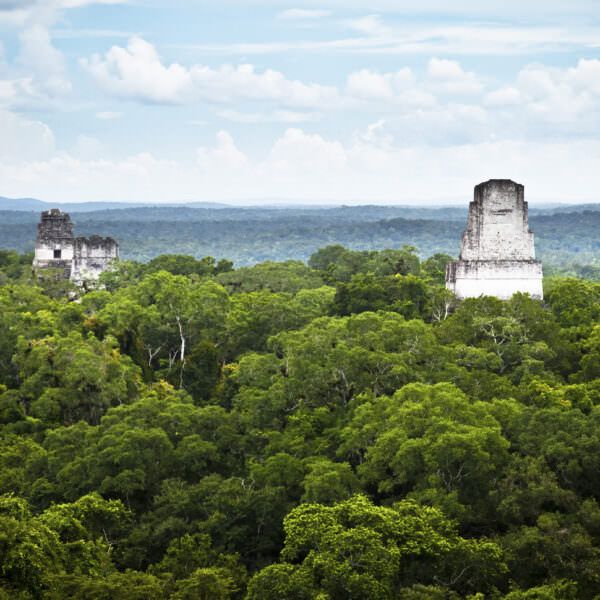
The forest concessions of the Maya Biosphere Reserve have boasted a near-zero deforestation rate for 20 years.

We worked with eight indigenous coffee-farming communities in Chiapas to build skills in fire prevention, business skills, and health and nutrition.
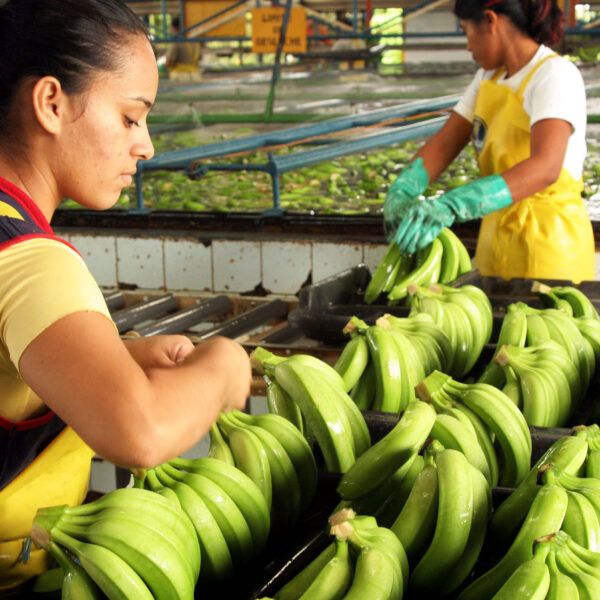
Rich biodiversity? Check. Well-treated workers? Check. Prepared for climate events? Check. Costa Rica's banana industry has a long history of worker abuse and environmental destruction—but these certified farms are proving there's a better way.
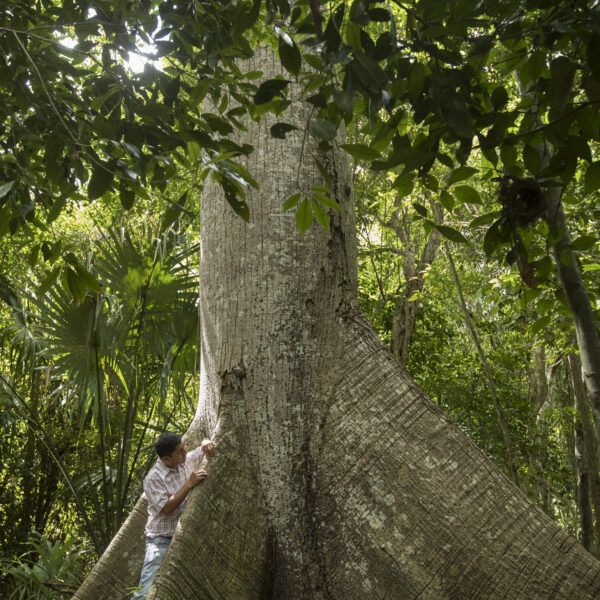
We are working to grow Mexico’s domestic market for sustainably produced products.

In an effort to conserve Guatemala’s wealth of natural resources and support the country’s efforts to mitigate the impacts of climate change, the new Climate, Nature and Communities in Guatemala (CNCG) Project was launched today. CNCG will invest $25 million in Guatemala over the next five years between 2013 and 2018. This is an initiative […]
Before the Maya Biosphere Reserve (MBR) was established in the Petén in 1990, the area was plagued by illegal logging, which focused on removing only the most valuable tree species, such as mahogany. At the same time, civil conflict and displacement resulted in significant in-migration to the region, sparking extensive conversion of forests for agricultural […]
Sustainable management of the world’s natural resources is shifting from an option to a vital necessity. Increasing evidence attests to the fact that sustainable resource management practices can promote economic development and livelihood improvement for communities. This case study adds to this growing of body of evidence by profiling the work of Rainforest Alliance assisting […]
Technical Assistance and New Market Access for Community Forest Enterprises in the Rio Plátano Biosphere Reserve, Honduras Applying the principles of sustainable forest management and sound business practices, by 2008 the twelve participating cooperatives had achieved remarkable successes in increasing their productivity, enterprise competitiveness and overall income. The below points summarize the most significant gains: Sustained […]
This case study report describes work undertaken to improve community forest enterprise competitiveness in Mexico as a means to local economic development and forest conservation. Over a three-year period, Rainforest Alliance facilitated increased investment while providing technical assistance in value-added processing fora medium-sized indigenous community forestry operation in the northern state of Durango. As a […]
Covering over two million acres, the Rio Plátano Man and Biosphere Reserve (RPBR) is Honduras’s largest natural forest reserve and an area of global biodiversity importance. Twelve community cooperatives have been granted the right to harvest timber and non-timber forest products in multiple-use zones of the RPBR, but they face substantial technical and financial challenges. […]