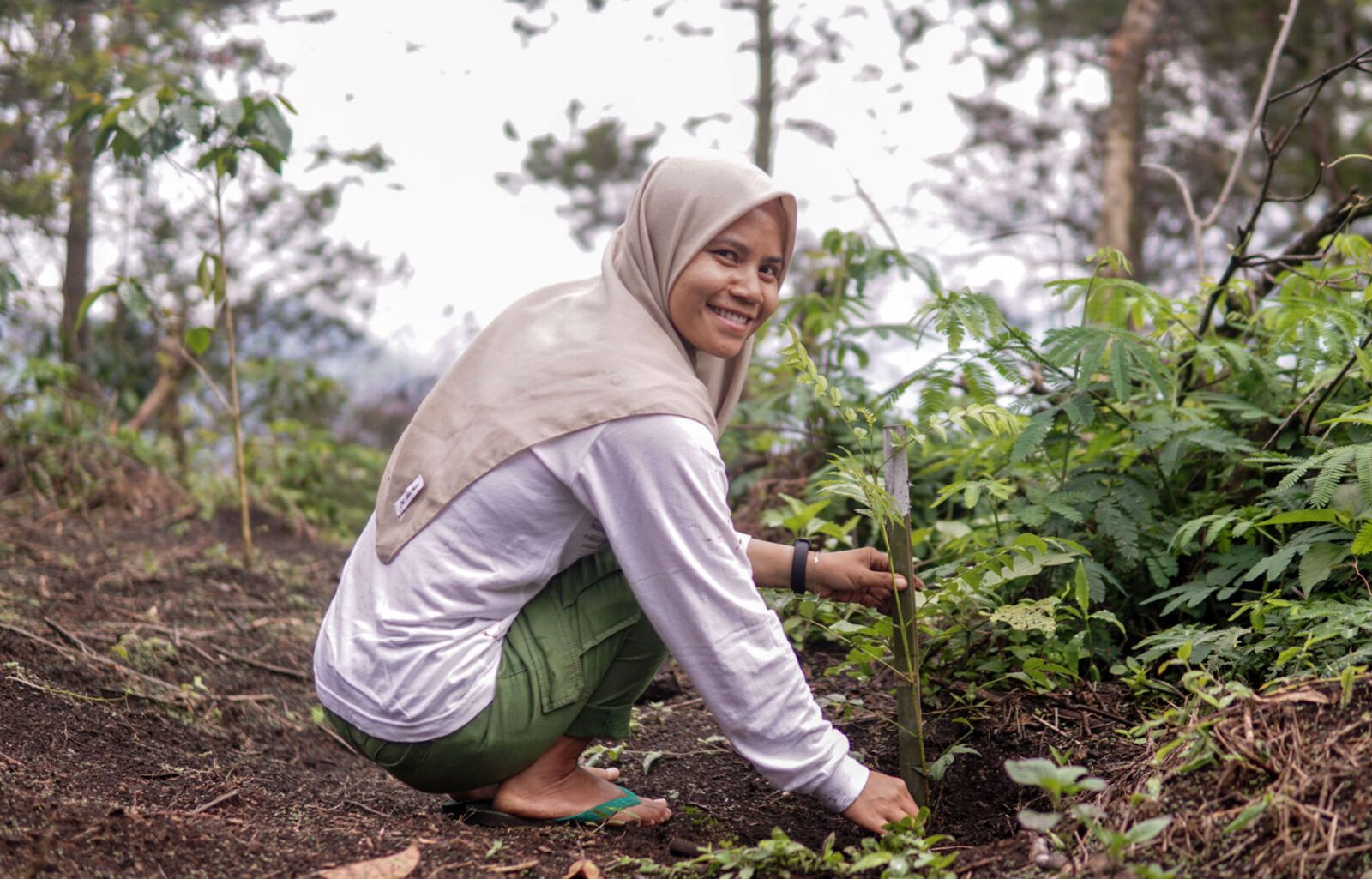
We are excited to announce the publication of the Rainforest Alliance Regenerative Agriculture Standard—a groundbreaking certification poised to help reshape the future of farming. This comes at a critical moment for global agriculture: The effects of climate change are intensifying, natural resources are under strain, and supply chains are facing growing instability due to soil degradation, water stress, and biodiversity loss.
Around the world, farmers and companies alike are seeking practical, scalable solutions to create more secure and equitable supply chains. Regenerative agriculture is emerging as one of the most promising answers. Studies show that regenerative practices can boost soil health, strengthen climate resilience, and even increase net farm income by up to 20 to 30 percent.
Building on our decades of experience in sustainable agriculture, we are proud to offer a science-based standard tested in the field and designed to help our partners turn their regenerative ambition into real-world action.
Rollout has already begun with coffee, and will expand to cocoa, citrus, tea, and other crops in 2026.
To understand the journey behind this new standard and the years of research and collaboration that shaped it, read more here.
Your roadmap to verified regenerative impact
Regenerative agriculture can mean different things to different people, and navigating all the definitions and practices can be confusing at best, frustrating at worst. That’s where the Rainforest Alliance Regenerative Agriculture Standard comes in. This comprehensive set of requirements offers clear principles, science-based practices, and a trusted pathway to regenerative impact for farmers and companies.
What sets our Regenerative Agriculture Standard apart:
- Credible, measurable, and auditable requirements
Regenerative agriculture has grown in popularity, but with that growth has come a rise in vague or unverified claims. Our standard addresses this head-on. It includes specific indicators and data points—such as percentage of soil cover, agroforestry metrics, and the presence of beneficial microorganisms and earthworms—that go beyond theory and offer a concrete way to measure progress and outcomes. Credibility is ensured through annual and surprise audits where standard requirements are verified. Developed through years of research and pilot programs, our framework helps ensure that regenerative efforts are both meaningful and measurable.
- Tailored to local realities
Regenerative agriculture isn’t one-size-fits-all. While the underlying principles remain the same, their application—and success—depends on the crop, region, and climate. Our standard reflects this through crop-specific modules and locally adapted guidance.
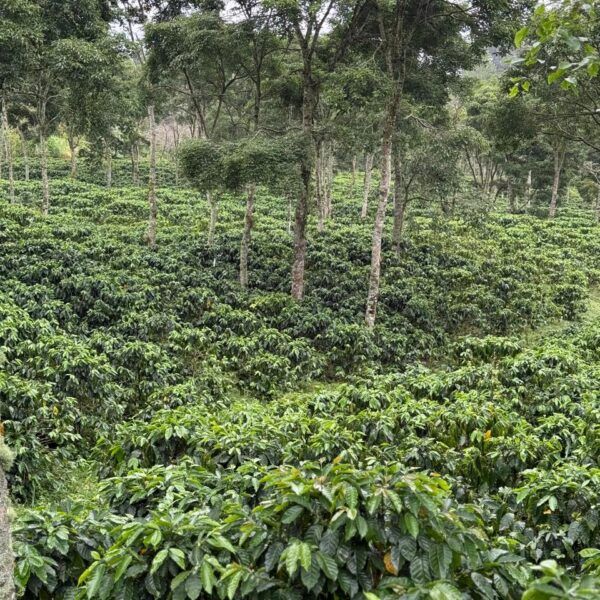
For example, while all farms are expected to reach 60 percent soil cover by the end of the certification cycle, implementation differs. Coffee farms may have bare soil during harvest for cherry collection, while tea farms must meet stricter first-year targets due to erosion risks. Guidance on practices like mulching will also differ. In Costa Rica, smaller coffee farms on steep slopes may apply mulch manually, while in Brazil, large-scale mechanized coffee farms may apply mulch mechanically or rely on cover cropping.
- Supported by trusted certification infrastructure
With a tried-and-tested certification system already in place, the Rainforest Alliance is uniquely positioned to scale this new Regenerative Agriculture Standard globally. Our network of trainers and auditors, trusted assurance and traceability systems, and proven methodologies provide a solid foundation for implementation—right from day one.
How Regenerative Agriculture Certification supports your company
For companies committed to building resilient supply chains and delivering credible regenerative outcomes, the Rainforest Alliance Regenerative Agriculture Standard offers clear, lasting value.
- Strengthen your supply chain from the ground up
By improving soil fertility, boosting biodiversity, and increasing water retention, regenerative practices can lead to higher yields and lower costs for farmers—all of which translate into long-term supply stability. Our Regenerative Agriculture Standard equips farmers with the guidance and support they need to implement these practices effectively. For companies, this means investing in partners who are better positioned to withstand climate shocks and contribute to more resilient, high-performing supply chains.
- Make stronger claims backed by credible data
With growing pressure to demonstrate real progress on climate, biodiversity, and ESG goals, companies need tools that go beyond storytelling. Supported by robust reporting data and transparent consumer communications, the Regenerative Agriculture Standard enables effective action on regenerative sourcing targets. It sends a clear, trusted signal to partners and consumers, helping your brand stand out for the right reasons.
- Meet rising consumer expectations with a trusted seal that means real impact
Today’s consumers are demanding more transparency and accountability—and with good reason. In a crowded and often confusing sustainability space, the Rainforest Alliance green frog seal is already recognized as a mark of integrity. The new regenerative agriculture seal builds on that legacy, allowing companies to differentiate their products with a label that reflects real, on-the-ground impact.
How our Regenerative Agriculture Standard relates to our Sustainable Agriculture Standard
While the Regenerative Agriculture Standard is new, regenerative practices are not new to the Rainforest Alliance. For decades, our Sustainable Agriculture Standard has been the foundation of a globally recognized, holistic certification that covers the three pillars of sustainability: social, environmental, and economic. Our Sustainable Agriculture Standard already includes many foundational regenerative practices, such as agroforestry, climate-smart agriculture, and water conservation.
So what’s different?
Our Regenerative Agriculture Standard goes even further in three, nature-focused impact areas:
- Soil health and fertility
- Biodiversity
- Climate resilience
This provides a new layer of depth for those aiming to drive regenerative outcomes.
Two options for implementation
The Regenerative Agriculture Standard is available in two formats:
- As an optional add-on to the Sustainable Agriculture Standard
Existing farm certificate holders can choose to meet 17 additional requirements that strengthen outcomes in the three focus areas above. These build on the 147 requirements already included in the Sustainable Agriculture Standard.
- As a standalone standard
This option combines the 17 regenerative requirements with a targeted subset of 102 foundational requirements—related to human rights and farmer livelihoods—from our Sustainable Agriculture Standard. Together, these requirements are designed to deliver measurable results across five key areas: climate resilience, soil health and fertility, biodiversity, water management, and farmer incomes. This robust standalone format is ideal for companies looking to specialize in regeneration.
Explore how our data-backed practices translate to measurable outcomes here.
Ready to start your regenerative journey?
Now that our Regenerative Agriculture Standard is live, we invite farmers and companies to begin exploring its requirements and preparing for implementation. Whether you’re just starting or scaling up your regenerative efforts, the Rainforest Alliance is here to support you every step of the way. Together, we can drive the global transition.
Speak to your account manager to learn more or visit our Regenerative Agriculture Certification page to sign up.