Project Profile: Meso-American Sustainable Forestry Program
Using traditional indigenous knowledge, data, and best practices for a sustainable tamshi harvest.... Continue Reading
Explore our field projects, along with case studies, one-sheets, and white papers showcasing research and impact on livelihoods and nature.

Using traditional indigenous knowledge, data, and best practices for a sustainable tamshi harvest.... Continue Reading

After decades of struggle for land rights, Peru’s indigenous communities now own approximately 15 million hectares of the country’s roughly 70 million hectares of mega-diverse Amazon forestlands. While securing rights is a key first step, tenure alone will not keep forests standing. Growing global demand for gold, petroleum, cocoa, timber, and oil palm is causing widespread deforestation and environmental degradation in indigenous territories. Expansion of these industries–typically without...... Continue Reading
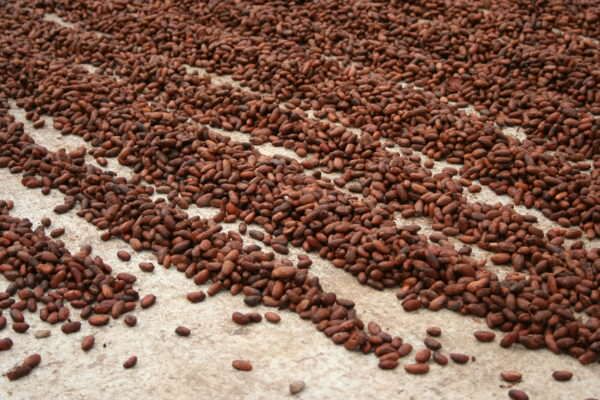
The MCA-I Compact’s Green Prosperity project began on July 1, 2015. It strives to reduce poverty and bolster climate adaptation efforts amongst 8,000 cocoa smallholders in the North Kolaka and North Luwu districts in Southeast and Southern Sulawesi, respectively, through training and incentives that will apply on-farm techniques.... Continue Reading

The Rainforest Alliance has worked diligently to advance sustainable forest management in the southern United States for many years. The region is one of the most biodiverse in the world, and provides a significant portion of global wood supply. The Appalachian Woodlands Alliance (AWA) project, launched in July of 2015, seeks to advance healthy forest ecosystems through intentional forest management techniques and uniting companies that source wood from the region. Incentivizing sustainable wood...... Continue Reading
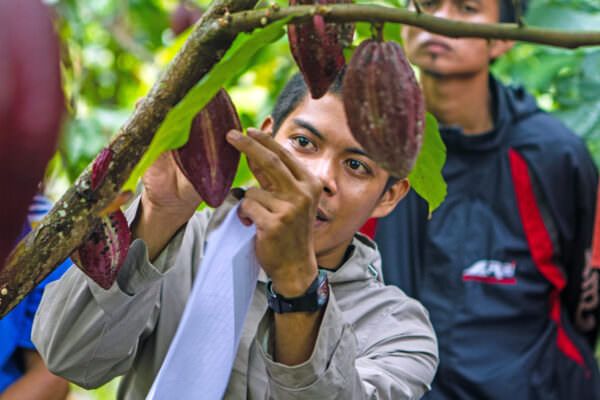
Addressing poverty and climate adaptation for 8,000 cocoa farmers... Continue Reading
Assessment of the conservation status of big-leaf mahogany, Spanish cedar, and three lesser-known timber species populations in the forestry concessions of the Maya Biosphere Reserve, Petén, Guatemala Ensuring the sustainability of forest harvesting is a cornerstone for developing competitive community forest enterprises (CFEs). Without continued availability of the forest products upon which an enterprise relies, […]