Addressing Child Labor on Hazelnut Farms in Türkiye
Child labor is widespread on Turkish hazelnut farms. Discover our collaborative approach to help farmers address child labor on the ground. ... Continue Reading
An archive of the information about nuts available on the Rainforest Alliance website.

Rainforest Alliance certification has grown to include several varieties of nuts. In Türkiye—which grows more than 70 percent of the world’s hazelnuts—we have established a robust hazelnut program over the last ten years. In Africa and Southeast Asia, we have begun certifying farmers and companies across the cashew sector. Additionally, we are working with macadamia farmers in Southern Africa and almond farmers in California. Over the coming years, we look forward to building partnerships with farmers, traders and companies, as well as communities and civil society, to grow our impact across the nuts sector.
More than 70 percent of the world’s hazelnuts are grown in Türkiye’s Black Sea coast. Up in the region’s rugged hills, farming is heavily reliant on seasonal hired labor from southeastern Türkiye where there are fewer economic opportunities. Since 2013, we have been working with farmers, traders, companies, and retailers to develop the sector, improve the productivity and quality of crops, address the risk of child labor, and help farmers adapt to a changing climate.
The Rainforest Alliance is working with nut traders to certify cashew farmers across West Africa and beyond. Through our certification program, farmers are embracing sustainable and regenerative farming practices to conserve forests and eliminate deforestation, reduce pesticide use, and develop better management practices. We are also improving traceability from farm to brand, educating communities about pest management and land clearance, and working to stop child labor, harassment, and discrimination. Through long-term partnerships with traders, Rainforest Alliance Certified farmers are receiving a better deal for their crops.
California produces an astonishing 90 percent of the world’s almonds. Across the state’s expansive orchards, farmers are updating their practices to become Rainforest Alliance Certified. Guided by our Sustainable Agriculture Standard, these ranches are improving their water use, waste treatment, and agrochemical use procedures. They are strengthening their risk assessment of health and safety protocols and creating best practice systems to assess and address forced labor and discrimination violations, including by introducing grievance mechanisms. Almond ranches are also adopting a climate-resilient and regenerative approach to conserve their natural ecosystems.
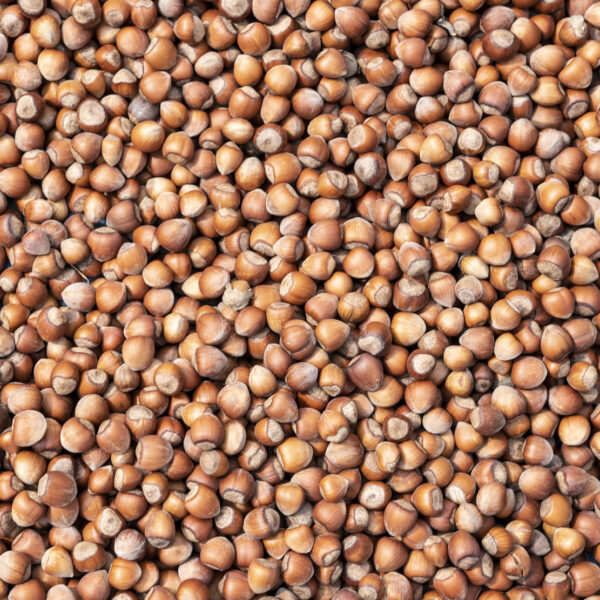
Child labor is widespread on Turkish hazelnut farms. Discover our collaborative approach to help farmers address child labor on the ground. ... Continue Reading
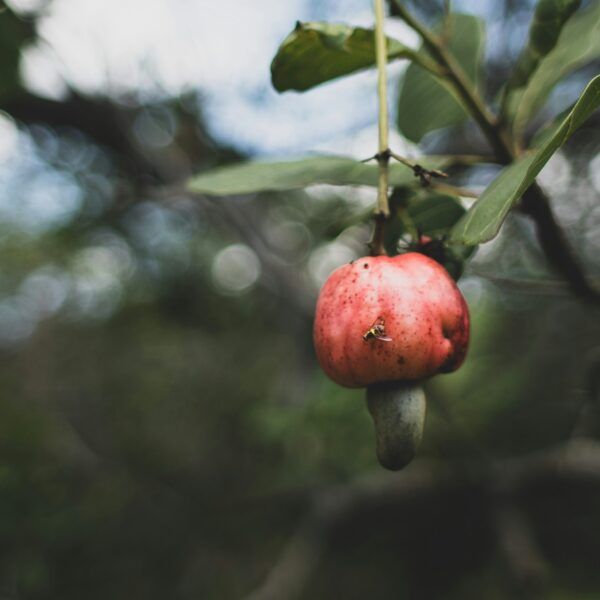
The Rainforest Alliance is working to make cashew farming more sustainable by addressing challenges like deforestation, poor working conditions, and low farmer incomes through certification, sustainable practices, traceability, and supply chain improvements.... Continue Reading
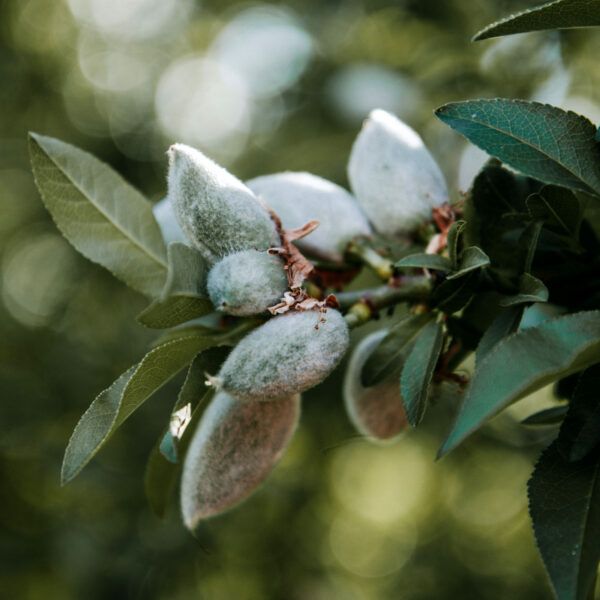
We are helping almond ranches in California level up their growing practices to drive greater sustainbility and get them on a path toward regenerative farming. Find out how in this article.... Continue Reading
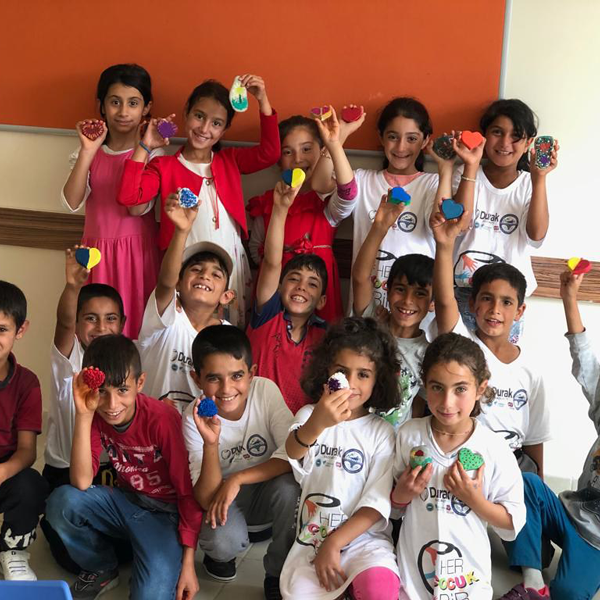
In the rugged hills of Turkey's Black Sea coast, hazelnut production is still mostly manual and heavily reliant on seasonal hired labor.... Continue Reading
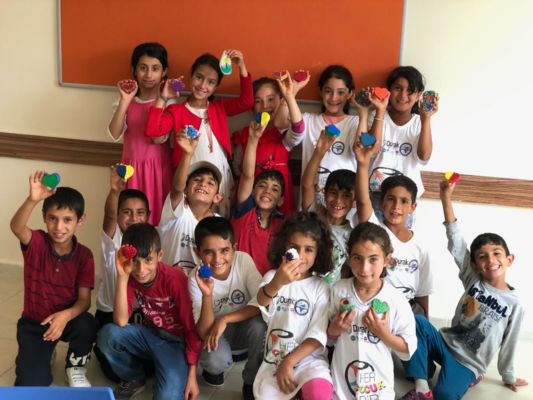
In the rugged hills of Turkey's Black Sea coast, hazelnut production is still mostly manual and heavily reliant on seasonal hired labor.... Continue Reading
Sourcing hazelnuts from Rainforest Alliance Certified farms brings key business benefits, such as helping minimize risk, promoting responsible supply chains, and meeting sustainability commitments.

Emerging research has found that several plant-based staples aren’t as eco-friendly as some people have previously thought due to the ways in which they’re farmed and sourced.

The UTZ hazelnut certification program was launched in 2014. This evaluation compares the situation of certified hazelnut producers in 2018 against a baseline taken at the start of the program in 2014. Between 2014 and 2018 the Hazelnuts certification program grew considerably. In 2018 it had over 4,300 farmers enrolled, members of 14 group-certificate holders, […]
A Case Study of Work with Brazil Nut Producer Associations (Madre de Dios, Peru) The Brazil nut is one of the world’s most widely consumed non-timber forest products (NTFP). It is also one of a relatively small number of globally traded commodities that is helping to save threatened forests. Harvested from the fruit-fall of giant […]
Understanding complex linkages between social and ecological systems and their resilience to external shocks is essential to promote the sustainable management of natural resources. This project, funded by the Rainforest Alliance’s Kleinhans Fellowship and directed by a graduate student researcher at the University of Florida, explored the resilience of Brazil nut (Bertholletia excelsa) production to […]