It Takes a Global Village to Tackle Child Labor on Farms
We can all play a crucial role to ensure that all children grow up in dignity. So, who’s with us?... Continue Reading
Some of world’s most traded goods—coffee, chocolate, tea, bananas, palm oil, and timber products—have human rights abuses, like child labor, embedded in their supply chains. In fact, the majority of children engaged in child labor worldwide—71 percent—are found in the agricultural sector.
There is no place in responsible business practices for child labor and other human rights violations. That’s why our 2020 Certification Program is shifting to an “Assess-and-address” approach, which goes much further than a simple prohibition approach in its ability to drive change on human rights. This risk-based approach focuses on prevention, collaboration, and improvement. It incentivizes farmers to tackle the root causes of child labor in collaboration with their supply chain, local government, and civil society, rather than hide it.
To further support farmers in their due diligence journey to prevent, monitor, and remediate the issue, we have developed a child labor toolkit. This step-by-step guide helps farms, businesses, and others to implement child labor due diligence, including risk assessments, mitigation actions, remediation, monitoring, engaging with children safely, and context behind legislation.
We call on you to take action to tackle child labor in your supply chain. Please contact us with additional questions.
Our comprehensive child labor toolkit offers step-by-step modules to assess, mitigate, monitor and remediate child labor in agricultural settings.
Read our position paper to learn how we tackle child labor in agricultural supply chains and rural communities.
Download this one-sheet on integrating our assess-and-address approach with CLMRS and Child-Labor Free Zones.
Learn more about our community approach to addressing child labor in Turkey.
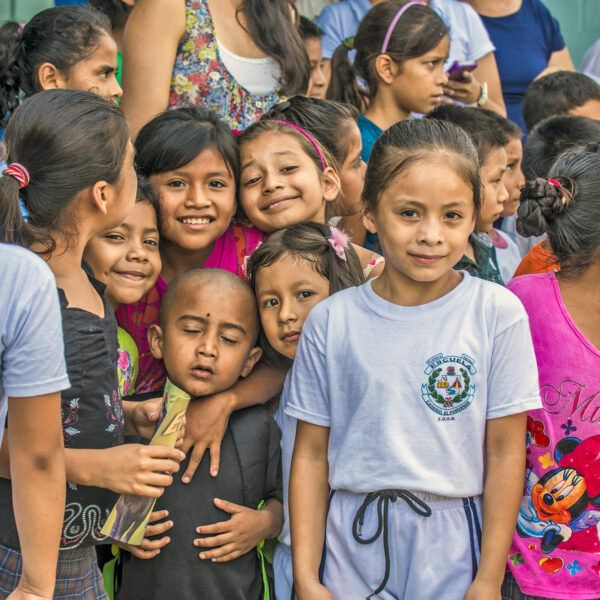
We can all play a crucial role to ensure that all children grow up in dignity. So, who’s with us?... Continue Reading
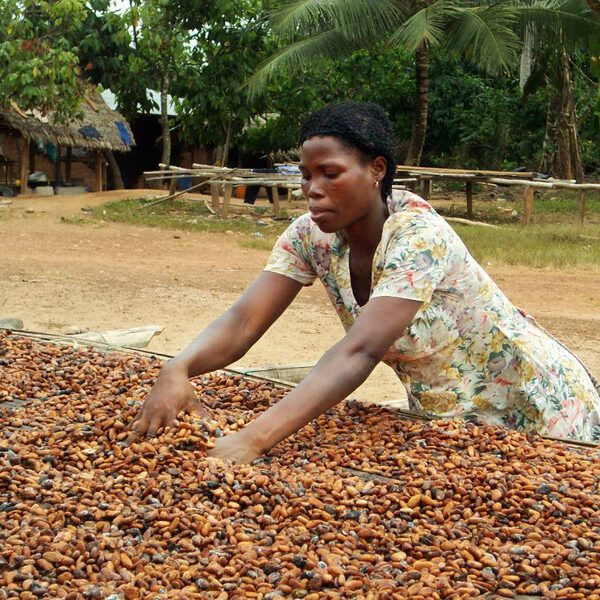
Our assess-and-address approach focuses on prevention, engagement, and improvement of human rights issues, and incentivizes farmers and companies to tackle human rights issues rather than hide them.... Continue Reading
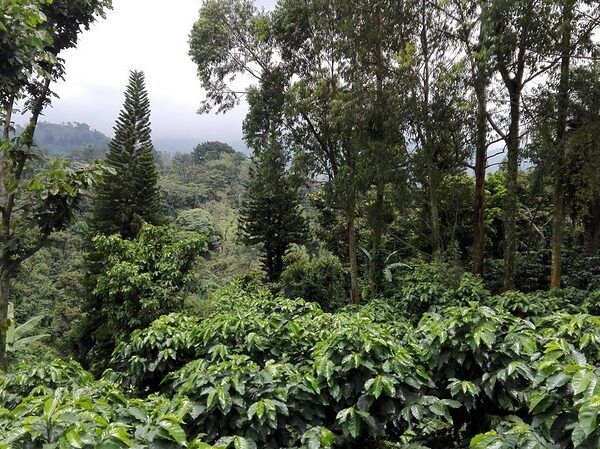
For the Rainforest Alliance’s Claudia Medrano, preventing child labor in Guatemala’s coffee landscapes is personal... Continue Reading
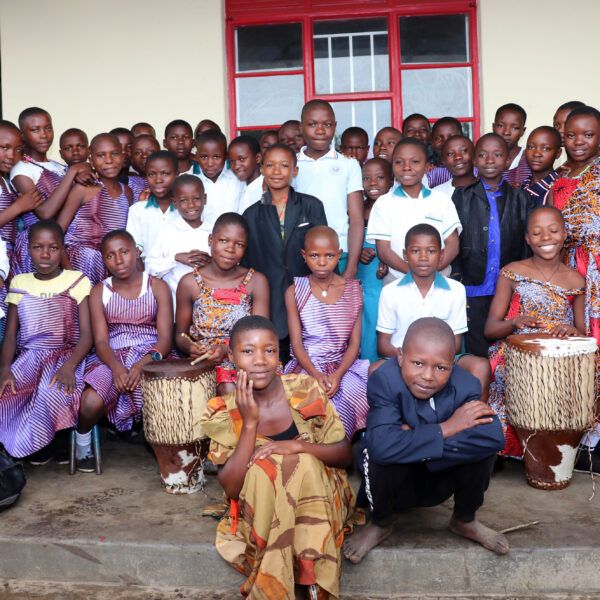
With the overarching goal of reducing child labor within coffee-farming communities, this project aims to create specific impacts within the partner communities—generating insights for other stakeholders to follow within their own contexts... Continue Reading
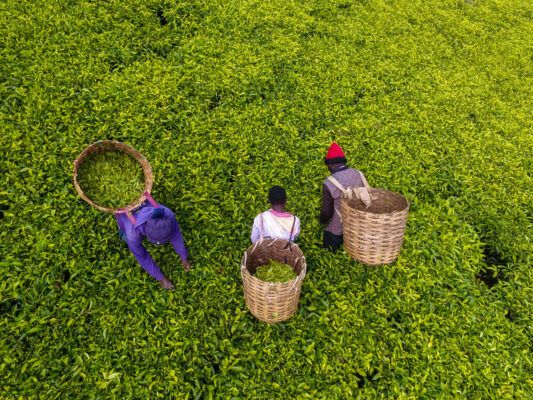
What’s it really like to work on a Rainforest Alliance Certified farm? Farmers, farm managers, and workers share how certification is shaping their livelihoods, strengthening their communities, and helping protect nature.... Continue Reading

The Rainforest Alliance is helping cocoa-growing communities in Ghana keep children in school through women-led savings groups and community protection committees. A new Reuters feature spotlights this NORAD-backed initiative with partners Solidaridad and the International Cocoa Initiative.
Leap into our 2024 Annual Report to see the advances we’ve made toward a brighter future.
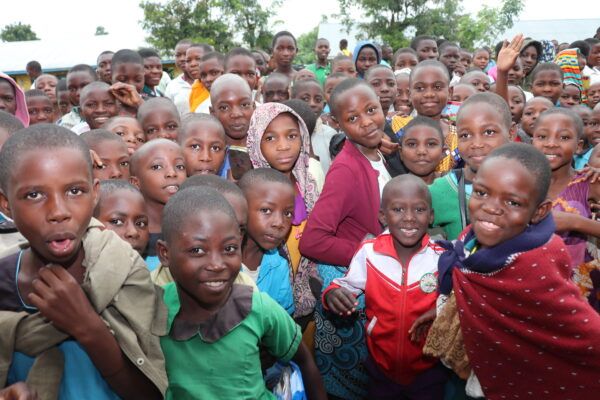
Building upon the success of a previous project, the Rwenzori Education, Livelihoods, and Gender Project aims to address the root causes of child labor. With support from Nespresso, the Rainforest Alliance has partnered with Kyagalanyi Coffee Ltd (KCL) to embed child protection into their business practices. The Rainforest Alliance will support the KCL cooperative’s farming households to increase their coffee production and incomes by providing training aligned with our certification standard. In doing so, the project seeks to create a coffee supply chain free from child labor.... Continue Reading
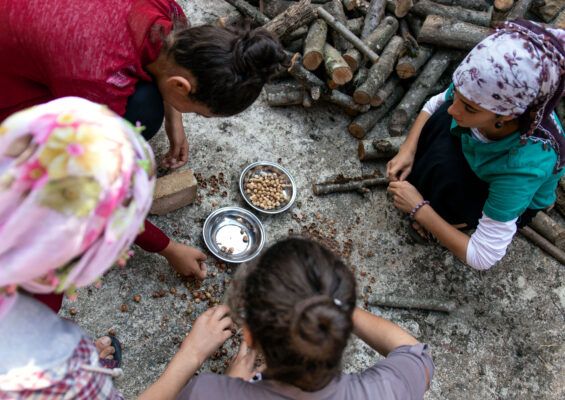
Since 2013, we have been working with farmer groups, traders, brands, and retailers to increase sustainability farming practices, stop child labor, and improve the lives of hazelnut farmers througout Türkiye.... Continue Reading
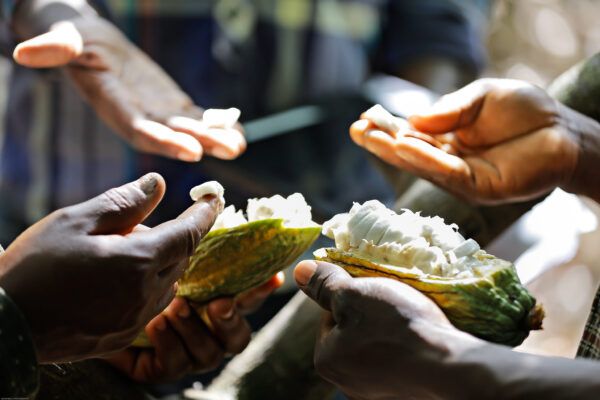
What do gold and cocoa have in common? Child labor, unfortunately. Find out about the innovative approach we took to helping cocoa families in Ghana thrive so they could let their kids be kids.... Continue Reading