Community: The Secret to Stopping Deforestation in Guatemala
The forest concessions of the Maya Biosphere Reserve have boasted a near-zero deforestation rate for 20 years.
A full third of Mesoamerica is covered in lush forest, which serves as home to scores of Indigenous and local communities, iconic wildlife, archeological wonders, and abundant biodiversity. While agriculture is the backbone of the region’s economy, it also drives deforestation and climate change.
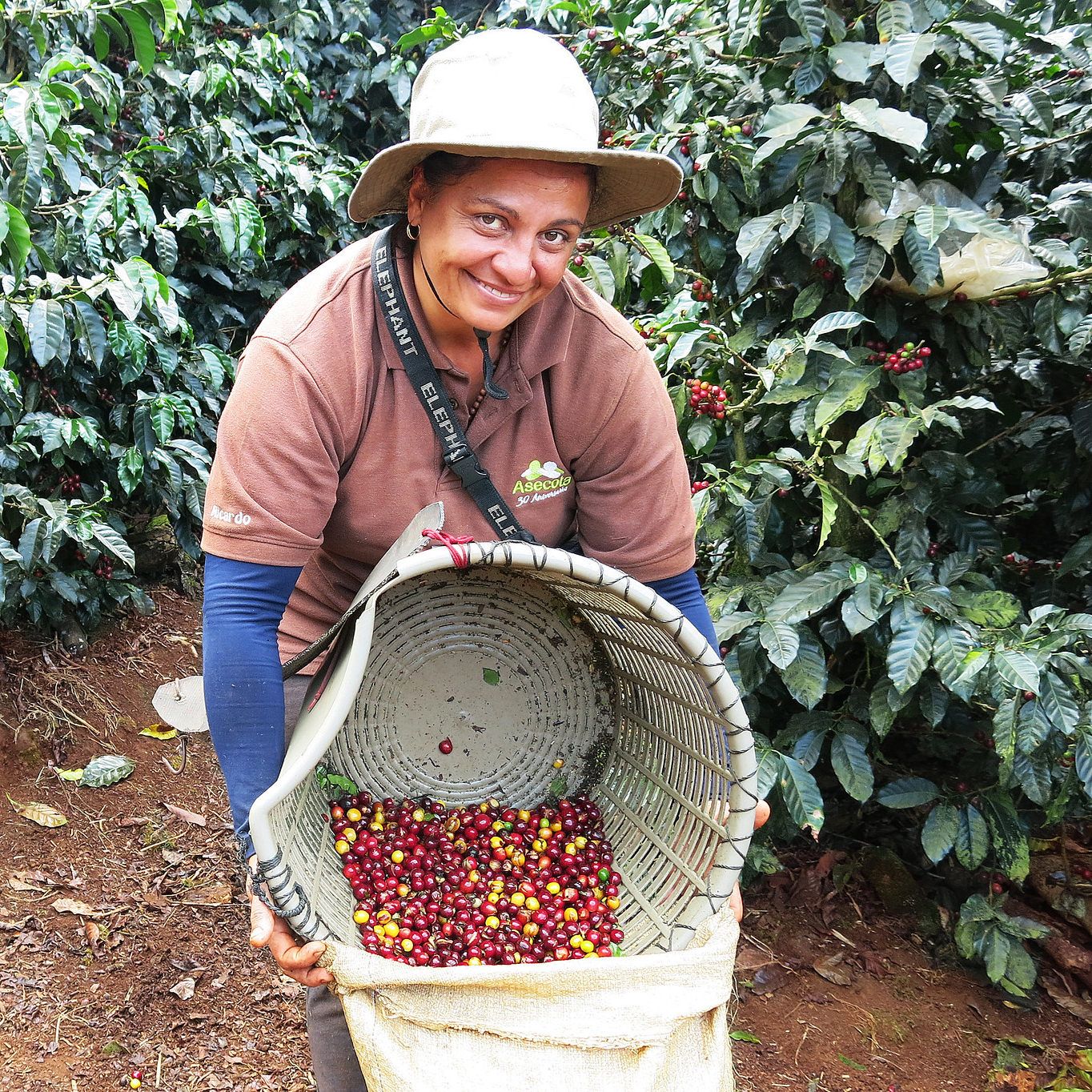
Prolonged droughts and frequent hurricanes are making it harder for farmers in Mesoamerica to make a living. A lack of access to international buyers and government support compounds the problem, leading some farmers to cut down forests for more cropland, while others migrate elsewhere in search of better opportunities.
Our community forestry work in the Selva Maya is recognized around the world as a stunning success for people and nature. We also work with certified farmers on producing crops like coffee, cocoa, and fruits sustainably.
Through our certification program, we work to improve the sustainability of 61,443 smallholder farmers, 233 farm groups, and almost 3,000 large farms across 700,000 thousand hectares. Almost half a million workers benefit from these efforts.
Data through 2023.
We worked with community forestry businesses to improve their conservation practices while achieving US$53 million in sales of forest products from 2013 to 2023. As a result, the communities conserved one million hectares of forest.
We always start by listening. We work with farmers and forest communities to develop solutions to their specific challenges—which range from a lack of investment and business skills to poor soils and droughts. Our agricultural certification program supports farmers and workers, while our forest work helps both forests and communities thrive.
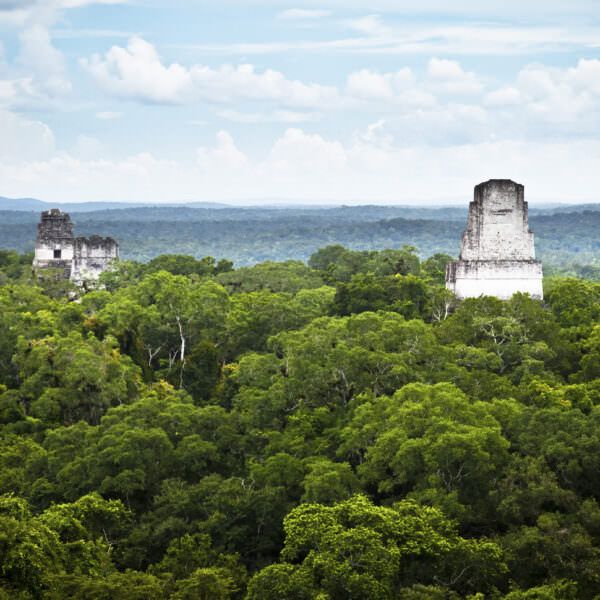
The forest concessions of the Maya Biosphere Reserve have boasted a near-zero deforestation rate for 20 years.

We worked with eight indigenous coffee-farming communities in Chiapas to build skills in fire prevention, business skills, and health and nutrition.
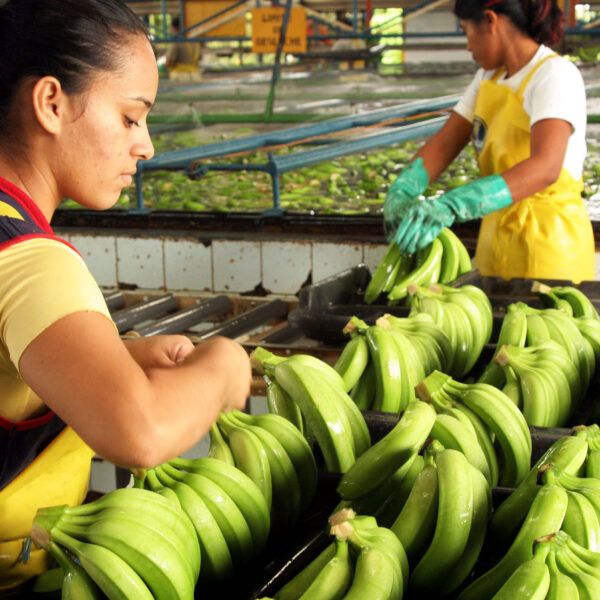
Rich biodiversity? Check. Well-treated workers? Check. Prepared for climate events? Check. Costa Rica's banana industry has a long history of worker abuse and environmental destruction—but these certified farms are proving there's a better way.
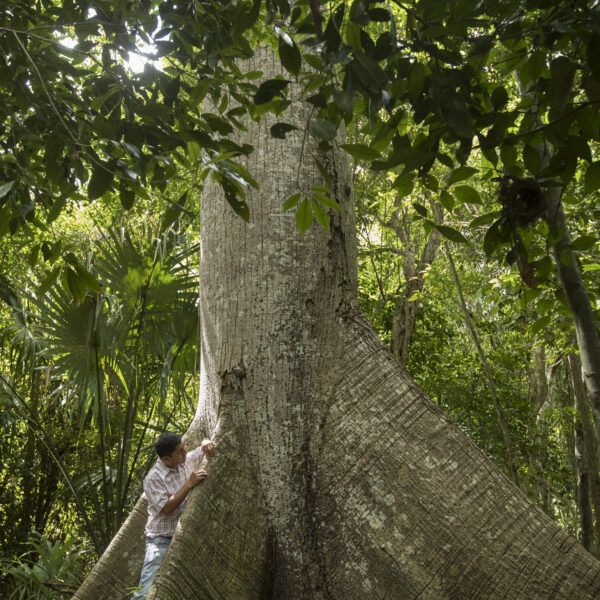
We are working to grow Mexico’s domestic market for sustainably produced products.

Bananas as a commodity have a tumultuous history, particularly when it comes to labor practices and environmental degradation. While there have been many improvements over the last few decades, trade unions and NGOs continue to report concerns, including that low wages on plantations are insufficient for workers and their families to achieve a decent standard […]
This independent evaluation study assesses the strategies and needs of coffee certificate holders (CHs), businesses that implement the UTZ standard, in Guatemala, Honduras and Nicaragua. The study aimed to understand the businesses’ experiences with UTZ implementation, the benefits they derived from UTZ, the challenges they faced to deepen engagement and how UTZ fits into the […]
Guatemala is a global leader in community forestry, having devolved control over forest resources to local actors in many parts of the country. While the Maya Biosphere Reserve’s community forestry concessions are well-known, a host of smaller forest-based enterprises in other parts of the country is taking on increasing importance. These enterprises, though incipient, are […]
The Rainforest Alliance is delighted to announce the appointment of Oscar Rojas as our first Guatemala country director. Rojas will head up a dynamic team to implement the Rainforest Alliance’s innovative national strategy in Guatemala. As part of his role, Rojas directs the Rainforest Alliance’s Climate, Nature and Communities in Guatemala (CNCG) initiative. After only […]
Assessment of the conservation status of big-leaf mahogany, Spanish cedar, and three lesser-known timber species populations in the forestry concessions of the Maya Biosphere Reserve, Petén, Guatemala Ensuring the sustainability of forest harvesting is a cornerstone for developing competitive community forest enterprises (CFEs). Without continued availability of the forest products upon which an enterprise relies, […]
Over the last two decades, countries across the tropics have devolved increasing authority over natural forests to local actors. While decentralizing control over natural forests is a step in the right direction, it is also clear that community forests can actually face increased pressure for conversion once they’re handed over. In this context, the capacity […]