
Sustainable Agriculture Certification
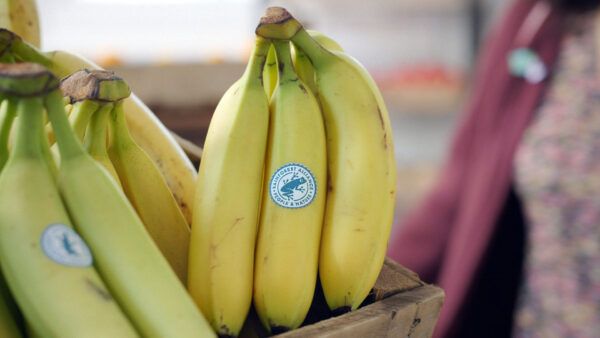
Our little green frog—the symbol of Rainforest Alliance Sustainable Agriculture Certification—is known the world over as a commitment to better farmer livelihoods, human rights, environmentally friendly practices, and climate resilience. Millions of farms and companies are working with us to drive long-term impact throughout the entire supply chain. You can, too! Partner with us now.
Already working with us? Visit our business login portal.
Elegibility
Who this is for
- Partners looking to invest in sustainability across a broad spectrum of areas: social, environmental, and economic.
- Partners seeking to manage supply-chain risk and find support to meet legislative requirements.
Benefits
What are the benefits?
- For farmers
Sustainable Agriculture Certification supports increased productivity and access to more rewarding markets, helping farms achieve long-term sustainability and resilience. - For companies
Our world-renowned little green frog helps companies stand out from competitors. Certification also helps manage supply-chain risk and demonstrate compliance with legislation. - For people and nature
Sustainable agriculture certification means that farms and companies support healthy forests, better farmer livelihoods, human rights, good environmental practices, and climate resilience.
Supported crops
Rainforest Alliance Certified crops are produced according to robust environmental, social, and economic requirements. Production of these crops protects forests and biodiversity, improves livelihoods and climate resilience, and respects human rights.
How to Get Rainforest Alliance Certified
The process of getting Rainforest Alliance Certified depends on your role in the agriculture supply chain. Choose one of our step-by-step guides below:


Cost
What are the costs involved?
The cost of certification varies depending on your role in the supply chain, whether you are a farmer, or a company. It also depends on the crop.
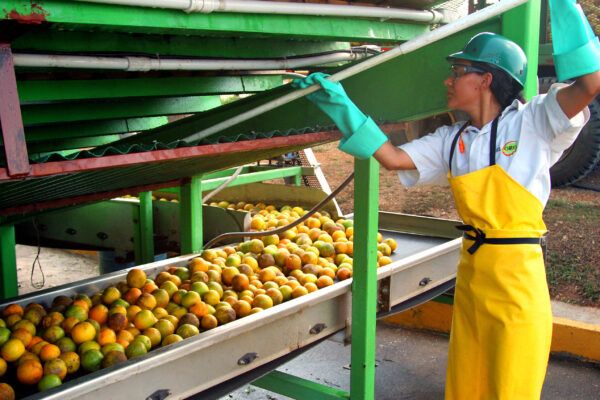
Farmers cover audit and compliance costs, while companies pay royalties. Companies may also incur audit costs of their own, and may also make additional contributions to farmers including premiums.
Frequently asked questions

Driving positive Change
Driving Impact with our Sustainable Agriculture Standard
The practices embedded in the Sustainable Agriculture Standard are designed to drive positive outcomes for:
- Forests and biodiversity
- Human rights
- Climate
- Farmer livelihoods

Ready to take the first step?
Start the process of transforming your business today.
You might also like…
Find out more about our Rainforest Alliance Certification Program, including our other available standard:
Regenerative Agriculture Certification
This covers critical social, livelihood, and water requirements while deepening those for soil health, biodiversity, and climate resilience.