Legend says that the Aztecs were gifted the cacao tree by the god Quetzalcóatl, and humanity still enjoys and benefits from such generosity. Today, a comforting cup of hot chocolate is a tradition that unites us across history and across continents—from Mexico to the Philippines to Ghana and beyond. Here’s a list of some of the tastiest hot chocolate traditions from the countries where we work.
It is believed that the ancient Olmecs of Mexico were the first to enjoy hot cocoa around 1800 BCE, though it would have been a much more bitter experience than many of us know today. Both the later Mayan and Aztec civilizations revered the cocoa bean, featuring hot chocolate—”xocolatl”—as part of feasts and religious ceremonies, and using cocoa beans as currency (some counterfeit beans have even been found during archaeological digs).
Xocolatl was a frothy, gritty concoction using cocoa beans, hot water, vanilla, and spices. When Spanish conquistadors arrived in Mexico, Hernán Cortés wrote that the Aztec ruler Moctezuma II drank 50 cups of xocolatl every day. In 1528, Cortés introduced hot cocoa to Spain, where people began adding sugar to the drink; since then, the love of chocolate has spread far and wide.
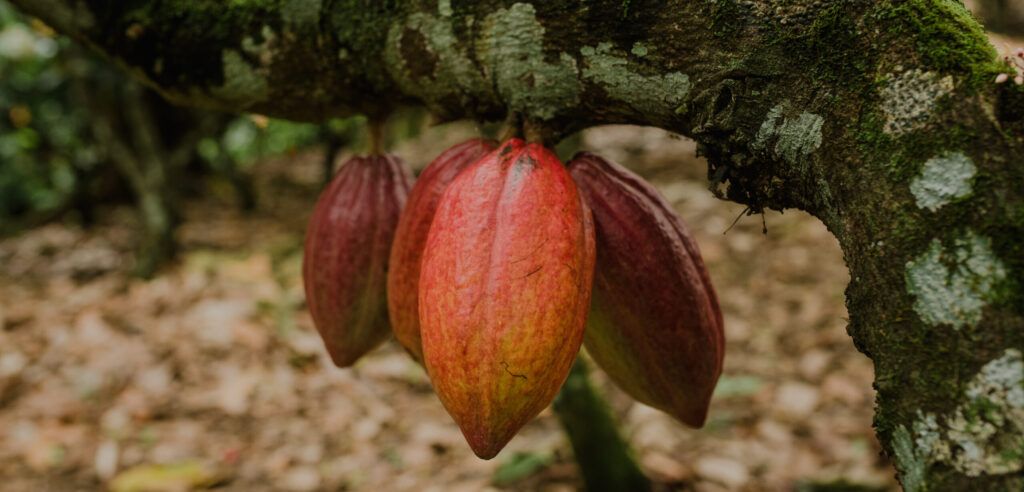
Hot chocolate or hot cocoa?
What is the difference between hot chocolate and hot cocoa? It’s pretty simple: Hot chocolate contains actual melted chocolate, while hot cocoa is based on cocoa powder with no chocolate. A lot of us use the words interchangeably, but they are technically different. (And “cacao” is the unprocessed bean of the cacao tree, just to add to the fun!).
Hot chocolate recipes to try with Rainforest Alliance Certified cocoa
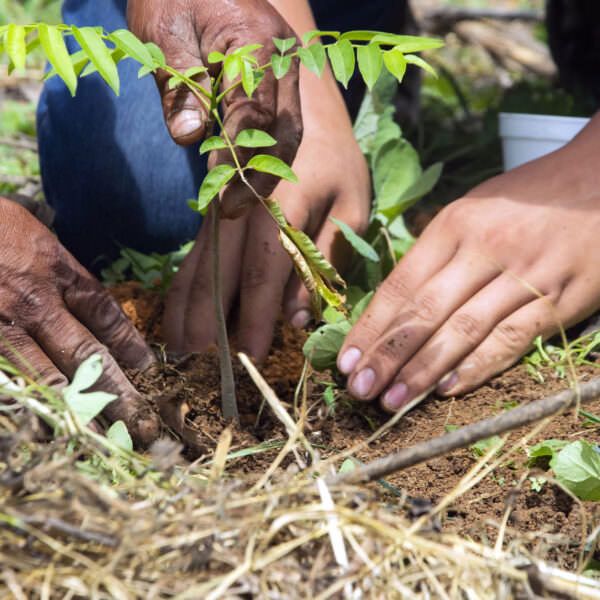
The Rainforest Alliance works with cocoa farmers in more than 20 countries around the world to promote more sustainable and regenerative ways of producing the world’s favorite treat. We work to protect tropical forests and biodiversity, take action on climate, and champion the rights and well-being of farming communities. We like to think of it as better chocolate for a sweeter world.
Here are some unique and delicious hot chocolate traditions from around the world.
Mexico
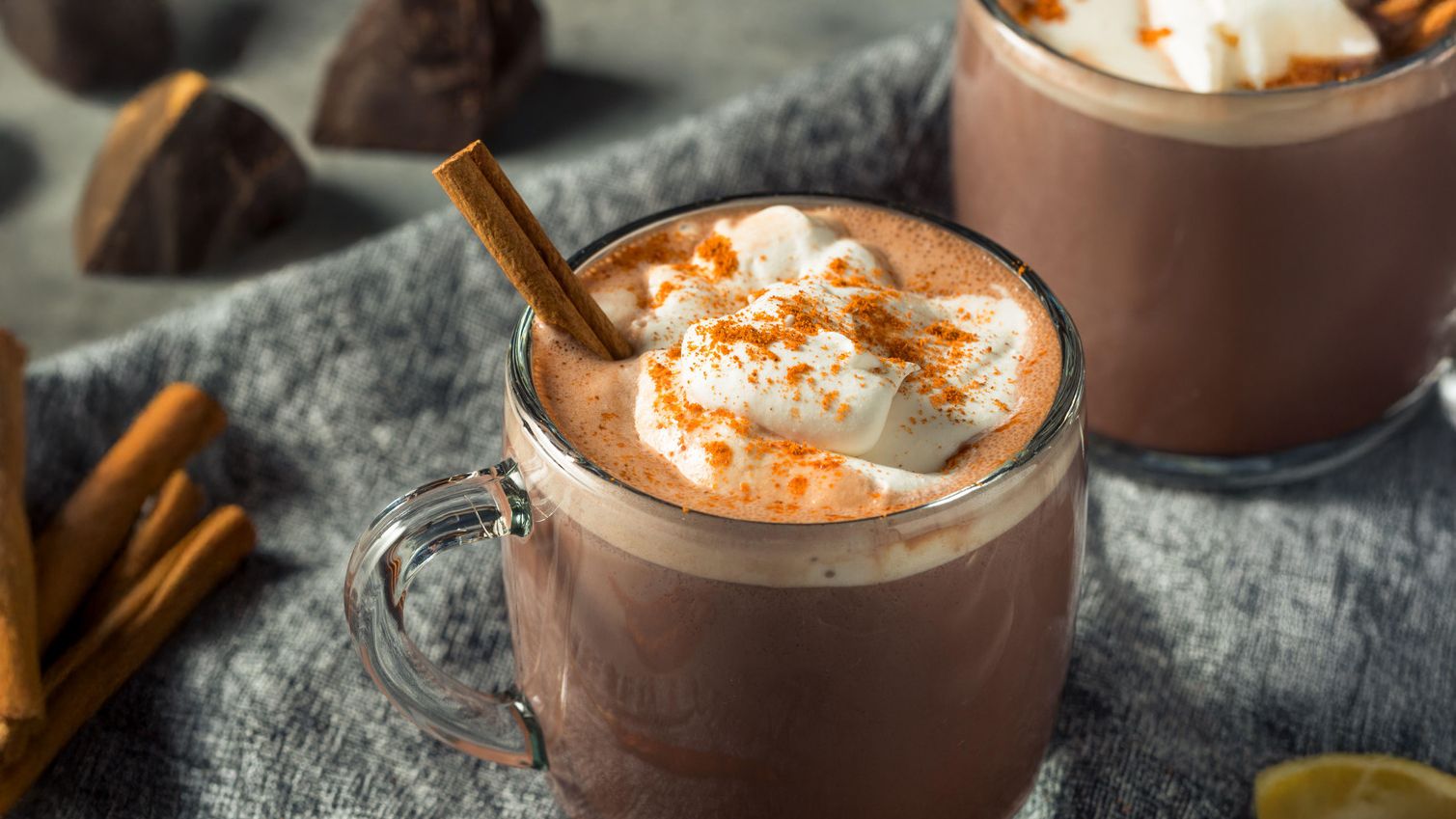
Mexican hot chocolate is a much-loved, modernized version of the ancient xocolatl drink. High-quality cocoa powder is combined with milk, sugar, cinnamon, vanilla, and chilli powder to make a warming, cozy cup, fit for kings! If you want to make it even richer, stir in some melted dark chocolate. And accompany it with a churro…
Brazil
Staying in the Americas, Brazilian hot cocoa takes a decadent turn by adding some sweetened, condensed milk to the brew. This makes for a thick, luxuriously chocolatey drink–you might even want to add extra milk to get just the right consistency.
Ghana
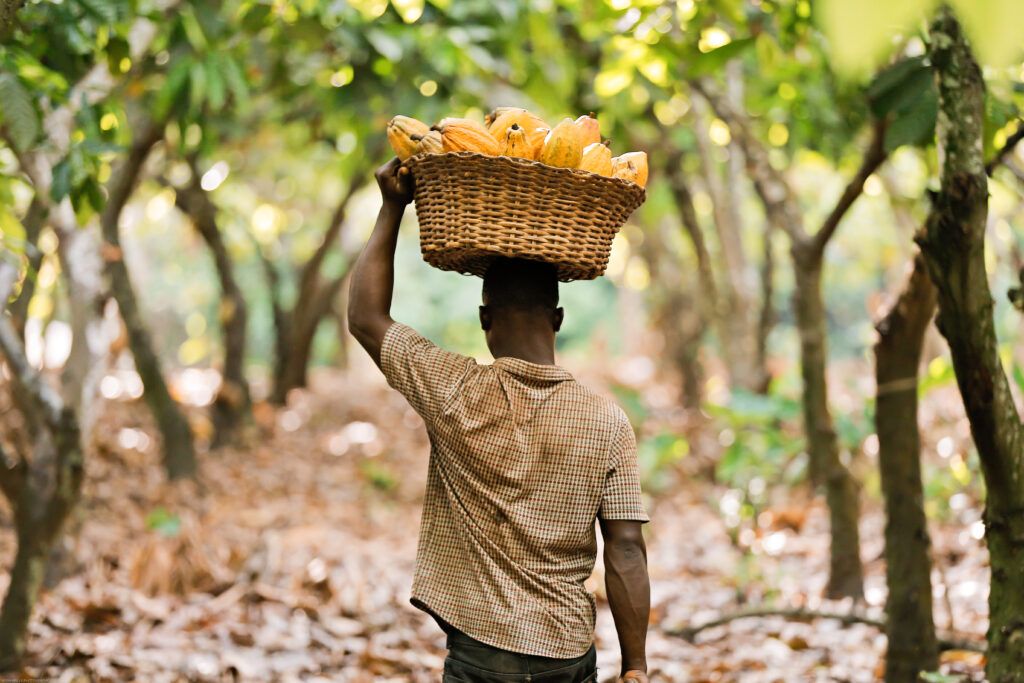
After cacao was introduced to West Africa by the Portuguese, the region quickly became a leader in cocoa production. It now produces 70 percent of the world’s cocoa. In Ghana, hot chocolate is often made by mixing in local honey as a sweetener.
The Philippines
Sikwate, or Filipino hot chocolate, is made using roasted cacao tablets. These tableya de cacao are carefully prepared to release their natural cocoa butter, then frothed with milk and sugar to create a deeply velvety drink.
Colombia
Colombia has a particularly intriguing addition to their hot chocolate: cheese! An alluring alternative to marshmallows, this tradition is the perfect sweet-salty combo dedicated snackers dream about.
Peru
Peruvian hot chocolate places great emphasis on the intensity of its cocoa. If you want to try this spiced version based on evaporated milk, make sure you get dark chocolate or cocoa powder with as high a cocoa content as possible.
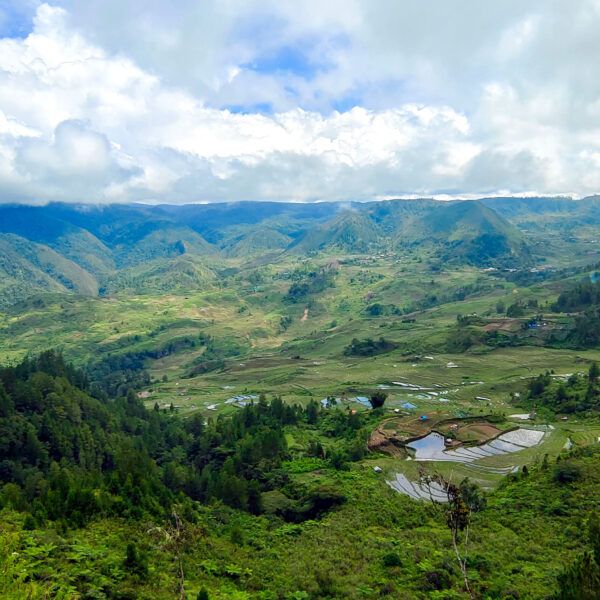
From Indonesia to Brazil, Nicaragua to India, Papua New Guinea to Ghana: Rainforest Alliance Certified cocoa is grown all over the world. Each country’s cocoa traditions are slightly different, but all share the same joy in a cup delicious, comforting hot chocolate. By working alongside cocoa farmers and their communities, the Rainforest Alliance is helping to make sure we can all continue enjoying hot chocolate in the future.
Together, we’re building a future where people and nature thrive. Sign up today and join our movement.
"*" indicates required fields