Community: The Secret to Stopping Deforestation in Guatemala
The forest concessions of the Maya Biosphere Reserve have boasted a near-zero deforestation rate for 20 years.... Continue Reading
Tropical forests absorb more carbon than any other kind of forest. They also provide shelter, food, and livelihoods to millions of Indigenous and local people, while housing two-thirds of the world’s biodiversity. But we are losing them at an alarming pace (mostly to agriculture): In 2024, we lost 18 football fields of tropical forest every minute. Stopping deforestation and forest degradation in the tropics is critical to the survival of humanity.
This page features information about the Rainforest Alliance's work to stop tropical deforestation and links to all our related content and resources.
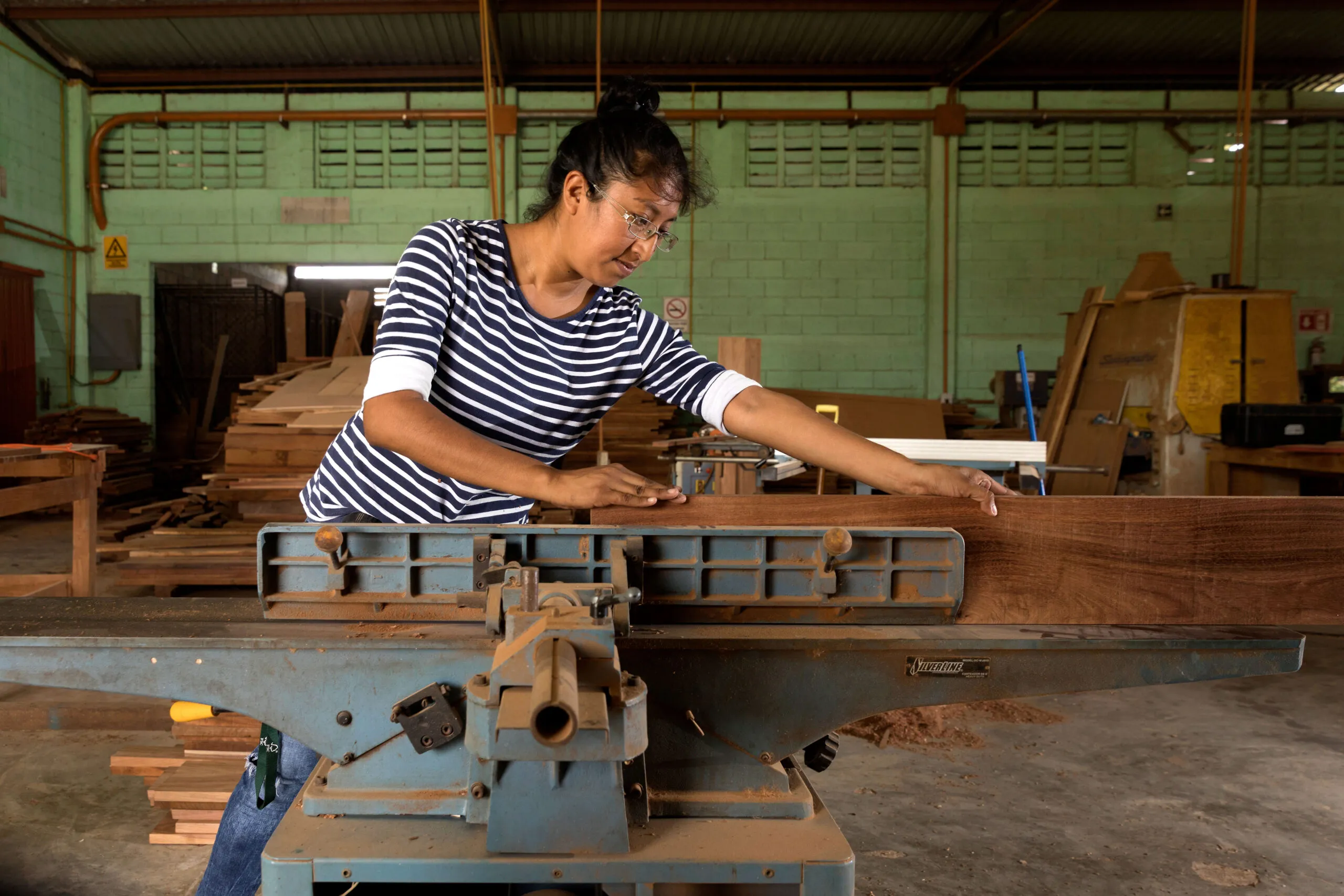
Stopping deforestation in the tropics has been at the heart of the Rainforest Alliance’s mission since its founding more than 35 years ago. Working with companies, civil society organizations, and local governments—all while centering the voices of the rural communities we partner with—we promote community forestry and regenerative agriculture throughout the tropics. Our decades of experience have demonstrated that these are the most effective strategies to keep forests standing and restore biodiversity.
This paper outlines our principles and strategies for stopping deforestation (and other forms of ecosystem conversion) in vulnerable tropical regions.
Learn how joining our Forest Allies community of practice will help your company have a greater impact on forests.
World Resources Institute (WRI) estimates the extent to which seven commodities—oil palm, soy, cattle, plantation wood fiber, cocoa, coffee, and plantation rubber—are replacing forests, and maps their impacts.
This Rights and Resources Initiative report examines the potential of community rights-based conservation to prevent biodiversity collapse.
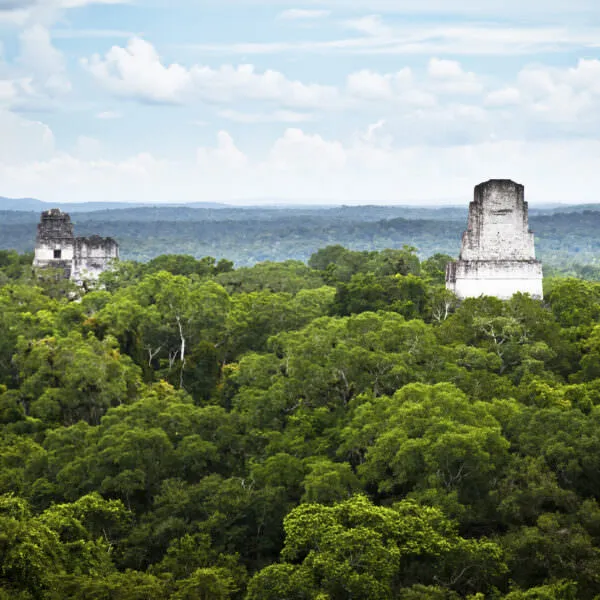
The forest concessions of the Maya Biosphere Reserve have boasted a near-zero deforestation rate for 20 years.... Continue Reading
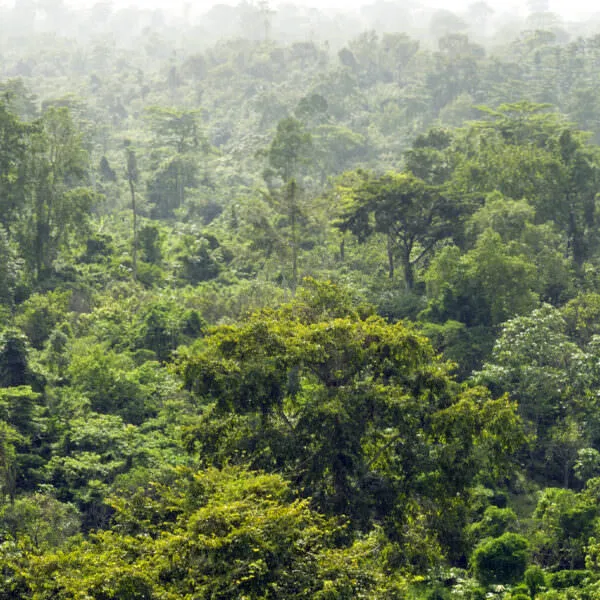
Community-led landscape management is the best long-term solution to environmental and social challenges.... Continue Reading
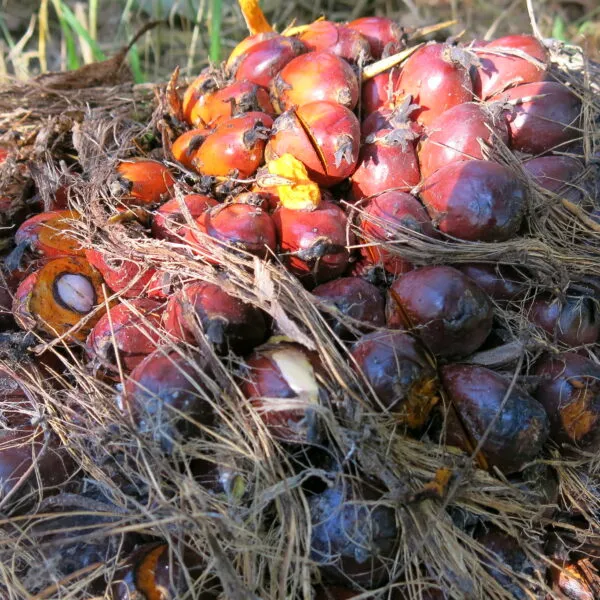
Since 2018, the Rainforest Alliance has been working in the Sintang District of West Kalimantan to promote an Integrated Landscape Management approach around oil palm and natural rubber production.... Continue Reading
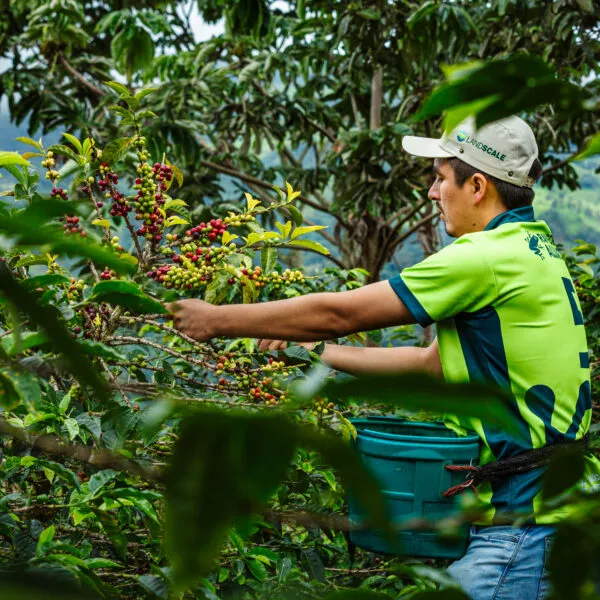
Through this initiative, the Rainforest Alliance will work with several organizations to address global environmental challenges associated with commodity-driven deforestation in some of the world’s most important tropical ecosystems and sourcing regions.... Continue Reading
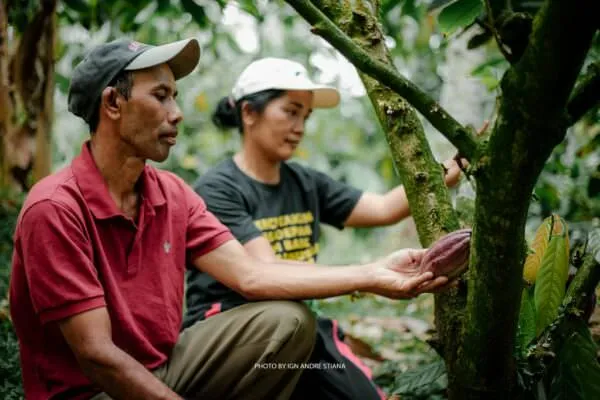
Find out how our systems and offerings are primed to help certified cocoa and coffee supply chain partners show compliance with EUDR requirements.... Continue Reading
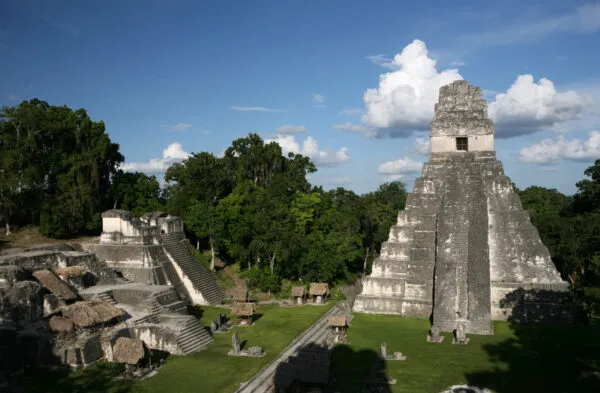
For more than three decades, the Rainforest Alliance has worked with forest communities in Guatemala’s Maya Biosphere Reserve (MBR) and across across ejidos in Mexico’s Calakmul and Sian Ka’an Biosphere Reserves. We have deep-rooted relationships with community forestry associations, community forest enterprises (CFEs), national and local forest authorities, and Indigenous and community leaders. Learn more […]

Devex looks at how AI-powered mapping could lower EUDR compliance costs for African cocoa farmers, while raising questions about access to and control of farm data. The Rainforest Alliance's Lisa Ryser explains how the organization uses AI and satellite mapping to assess deforestation risks.
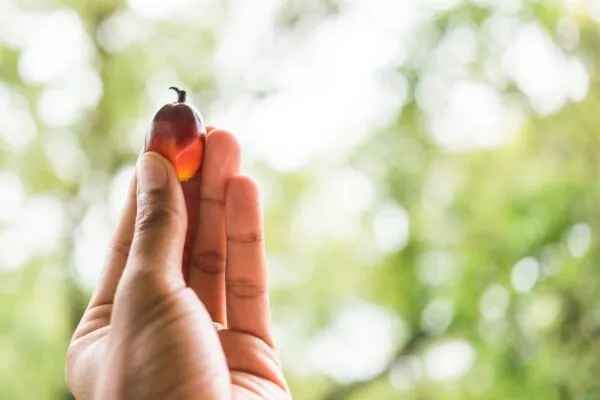
See how two Rainforest Alliance business solutions—our Corporate Advisory Services and Sourcing Risk Assessment—helped Coles better understand sourcing risks in its palm oil supply chains and translate responsible sourcing commitments into actionable strategies for strengthening their due diligence. ... Continue Reading

The Rainforest Alliance is set to launch a public consultation on a new cocoa-specific version of its Sustainable Agriculture Standard, as the certification organization moves towards a more tailored approach to some of the cocoa sector’s most pressing sustainability challenges.

Check out our 2025 Annual Report to see the exciting advances we made this year.