Our Mission to Protect the World’s Forests
We are working in 60+ countries to build sustainable, rural economies—a proven strategy to keep our forests standing.... Continue Reading
Forests are critical to every living thing on Earth. Not only do they give us clean air, shelter, and rain, they house 80 percent of the world’s terrestrial biodiversity. Alarmingly, humans have destroyed half of the world’s tropical forests and driven extinction rates up thousands of times higher than what is natural.
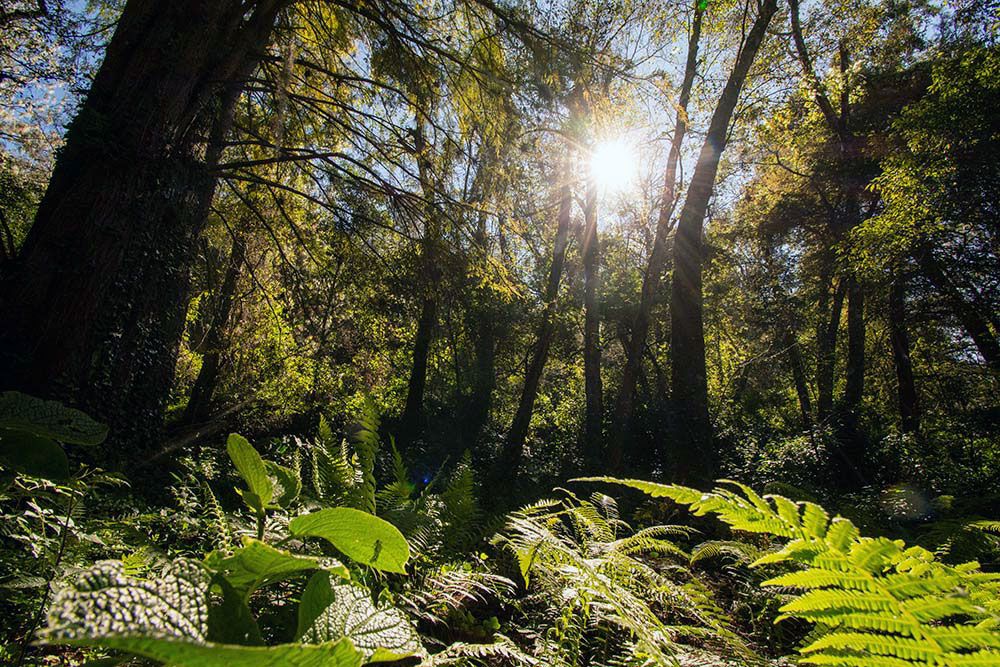
Forests are a powerful natural climate solution. As trees grow, they absorb and store carbon emissions, while releasing oxygen into the atmosphere. Conserving forests could cut an estimated 7 billion metric tons of carbon dioxide each year—the equivalent of getting rid of every car on the planet.
Protecting forests and biodiversity is at the very heart of the Rainforest Alliance’s mission. We have developed wide-ranging, innovative strategies to conserve and restore nature—all while improving the livelihoods of people who live from the land.

in the forest concessions of the Maya Biosphere Reserve, Guatemala*
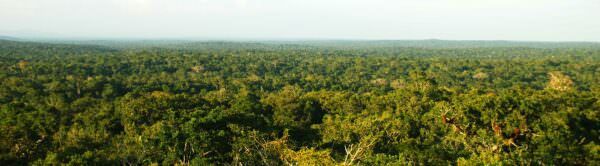
In Guatemala’s Maya Biosphere Reserve, twelve community forestry concessions safeguard around 417,269 hectares of the largest and most important tropical forest north of the Amazon. These community-run concessions boast a near-zero deforestation rate—a remarkable feat given that adjacent areas suffer some of the highest deforestation rates in the Americas.
*Community forestry concessions in Guatemala’s Maya Biosphere Reserve have demonstrated a near-zero deforestation rate, since data collection began in 2000. Data accurate as of December 2019.

From 2020 through 2021, farmers we work with in the buffer zone of Indonesia’s Bukit Barisan Selatan National Park planted 45,000 trees in the area directly bordering the park. In addition, we identified 80 farms that sit in a wildlife corridor used by the critically endangered Sumatran elephant. We supported these farmers in planting species that suit the elephants’ diet.
*Data accurate as of December 2022
Together with forest and farming communities, Indigenous leaders, companies, governments, and global citizens, the Rainforest Alliance works in 58 countries to promote more sustainable land management practices while cultivating thriving rural economies—the most widely proven strategy to restore biodiversity and keep our tropical forests standing.
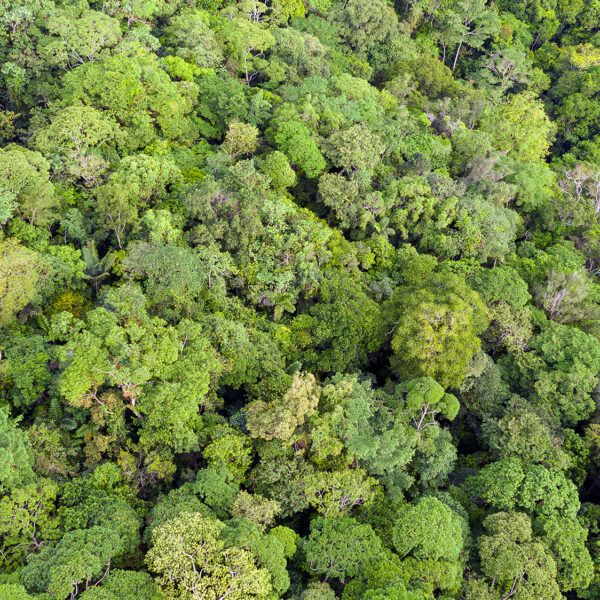
We are working in 60+ countries to build sustainable, rural economies—a proven strategy to keep our forests standing.... Continue Reading
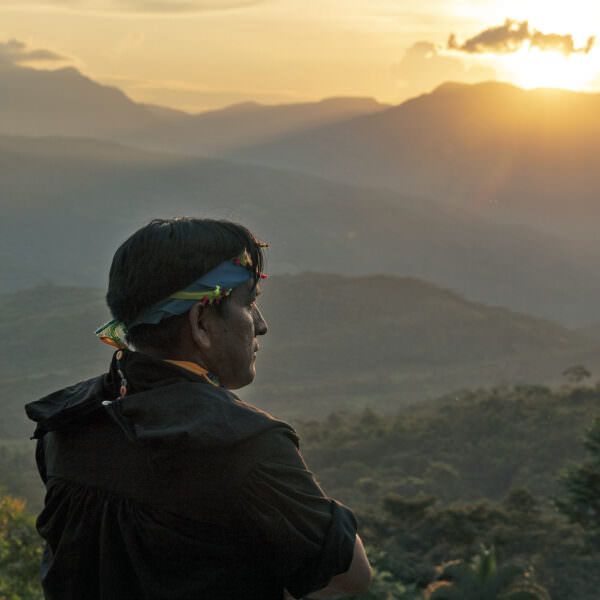
Indigenous peoples and local communities have an unsurpassed connection to the Earth's forests. ... Continue Reading
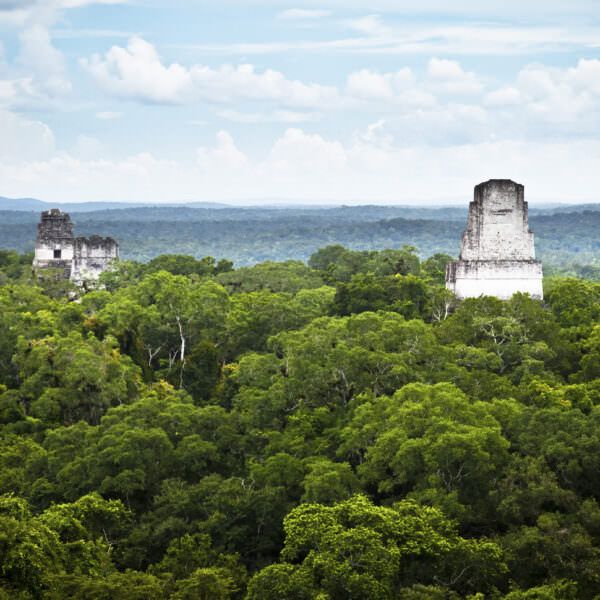
The forest concessions of the Maya Biosphere Reserve have boasted a near-zero deforestation rate for 20 years.... Continue Reading
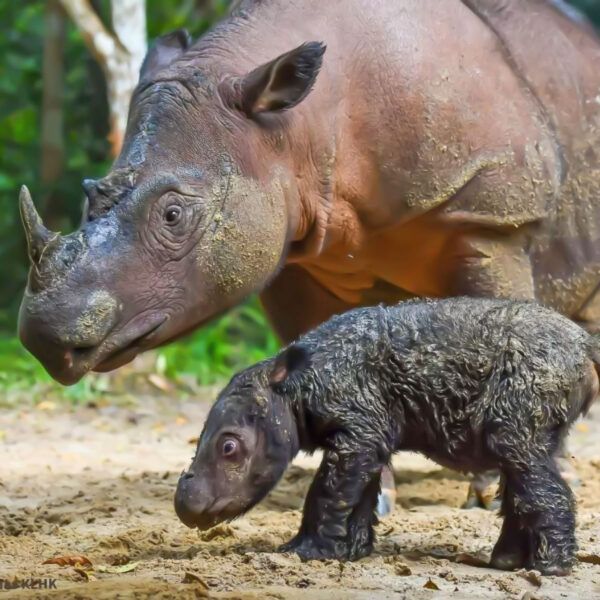
We're training coffee farmers in the Bukit Barisan Selatan National Park buffer zone to help them conserve biodiversity and improve their livelihoods.... Continue Reading
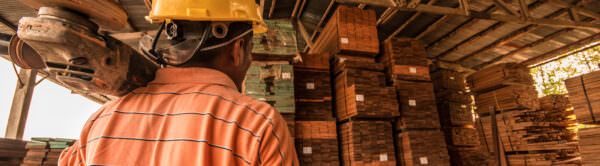
Conserving forests in Guatemala, Honduras, Mexico, Nicaragua, and Peru... Continue Reading
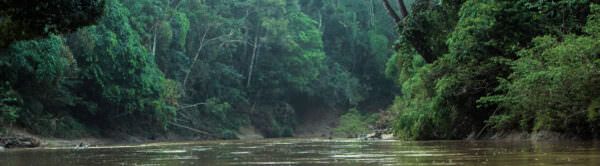
Advancing Sustainable Landscapes In The Andean Amazon... Continue Reading

Over the last two decades, countries across the tropics have devolved increasing authority over natural forests to local actors. While decentralizing control over natural forests is a step in the right direction, it is also clear that community forests can actually face increased pressure for conversion once they’re handed over. In this context, the capacity […]
MREDD+ works on three levels to test tools and models and provide lessons learned for refining state and national strategies. ... Continue Reading
Reduced Emissions from Avoided Deforestation in the Multiple Use Zone of the Maya Biosphere Reserve in Guatemala... Continue Reading
The only realistic way to conserve forests is to apply sustainable forest management practices.... Continue Reading