2024 Annual Report: The Future Can’t Wait
Leap into our 2024 Annual Report to see the advances we’ve made toward a brighter future.
Home / Issues / Human rights / Gender equality
A sustainable future is only possible if women and men, girls and boys can thrive. In agriculture, addressing gender inequality and promoting women’s rights is an essential part of advancing human rights and sustainable economic development of families and communities. It’s also an often overlooked climate solution and an effective way to increase farm productivity.
This page features information about the Rainforest Alliance's work to promote gender equality and women’s rights and links to all our related content and resources.

Leap into our 2024 Annual Report to see the advances we’ve made toward a brighter future.

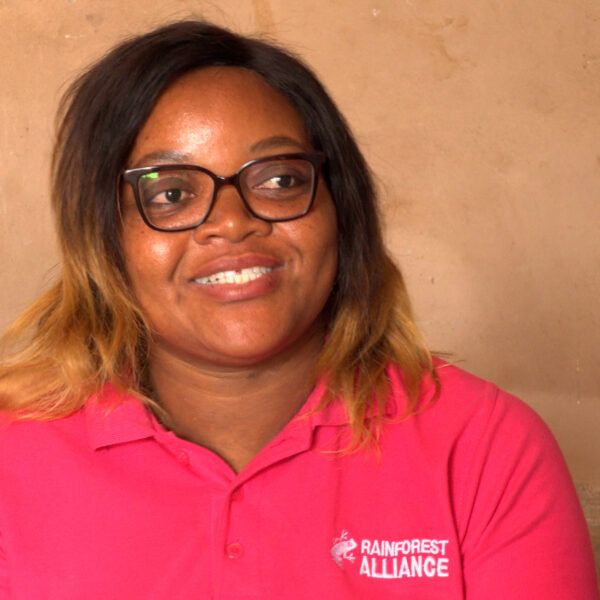
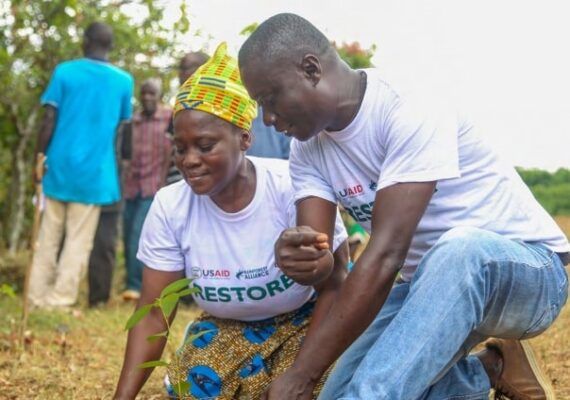
Côte d’Ivoire and Ghana are the largest producers of cocoa in the world, with millions of families relying on the crop for their livelihoods. Yet cocoa farmers earn, on average, only six percent of the final product’s value in stores, making poverty and food insecurity common. Additionally, women make up a significant part of the […]

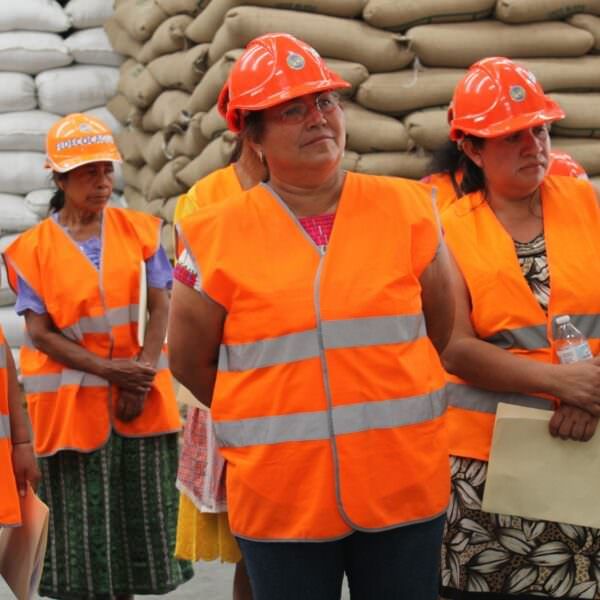
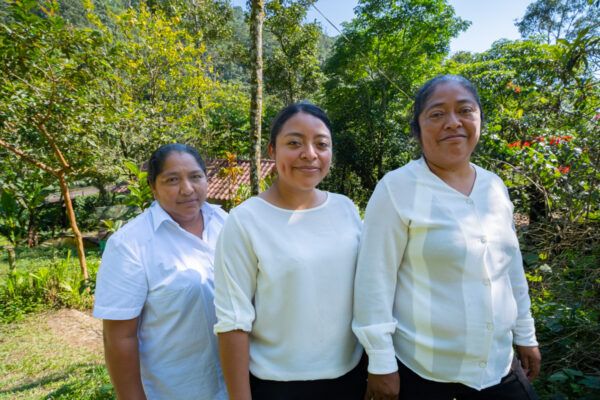
Women provide immense contributions to productive value chains globally. Throughout Mesoamerica, women work in the production of coffee, cocoa, cardamom, potato, and so many other crops that global markets demand. As part of our Women’s Economic Empowerment in Mesoamerica Initiative, the Rainforest Alliance and partners are working alongside women, including Indigenous women and youth, in […]
Dive into our 2023 Annual Report to learn about the strides we’ve made toward a regenerative future.

To mark International Womens Day, Rainforest Alliance gender experts Joky Francois and Elizabeth Kiende Njenga wrote an opinion piece for Devex on the pervasive issue of gender-based violence and harassment in agriculture, and the collaboration needed to understand and address its deep-rooted causes.

The Rainforest Alliance, in collaboration with GIZ, is launching a project in Indonesia's Central Sulawesi province to address social and environmental challenges in the coffee industry by providing training to 1,000 smallholder farmers, with a focus on sustainability and inclusivity.... Continue Reading