Strengthening Worker Rights and Well-Being in Agriculture
Through certification, landscape and community programs, tailored supply chain services, and advocacy, we are helping to protect and promote the rights of farmworkers around the world.
The production of many commonly traded goods—coffee, chocolate, tea, bananas, palm oil, and timber—often involves human rights abuses. While progress has been made in recent years, thorny problems such as child labor, forced labor, poor working conditions, low wages, gender inequality, and the violation of Indigenous land rights are still embedded in many supply chains.
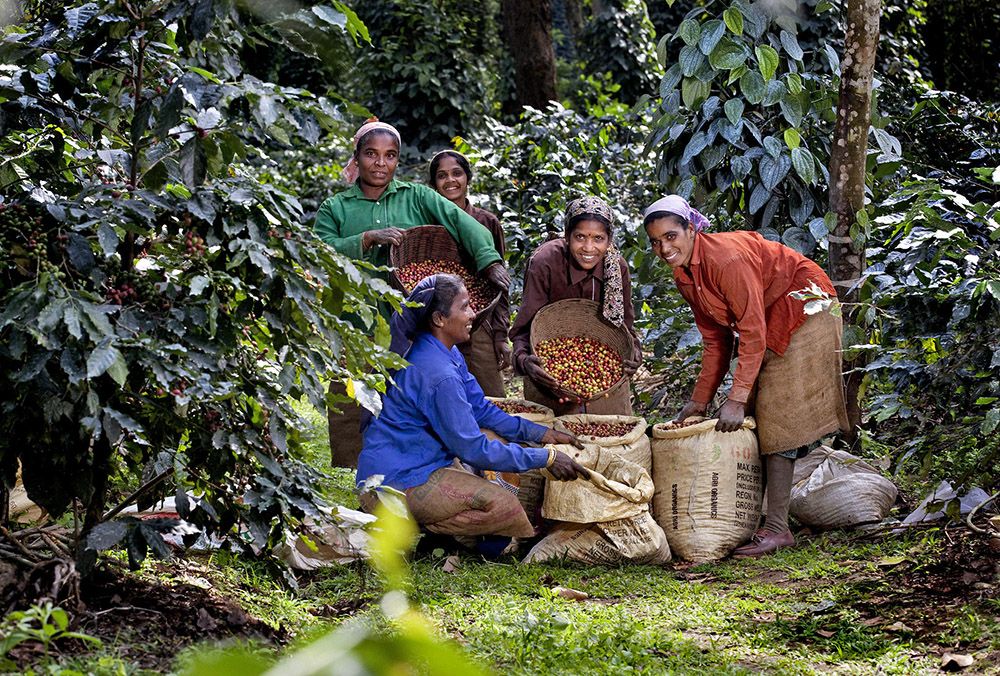
Advancing the rights of rural people goes hand-in-hand with improving planetary health. Project Drawdown cites gender equality, for instance, as one of the top climate solutions, and in our own work, we have seen that farmers and forest communities can better steward their land when their human rights are respected. Everyone deserves to live and work with dignity, agency, and self-determination—and promoting the rights of rural people is key to a sustainable future.
Improving lives and promoting rights of rural communities is a central part of our mission. Our field results, backed by independent studies, demonstrate, for instance, that workers on certified farms are more likely to enjoy better working conditions and important protections.

of workers on Rainforest Alliance Certified tea estates in Tamil Nadu, India, receive paid annual and sick leave*
In Tamil Nadu, India, a study of 300 farmworkers on seven Rainforest Alliance Certified tea estates and one noncertified estate found a significantly higher percentage of workers on certified estates had contracts and annual paid leave, sick leave, and maternity leave.
*Source: Lalitha N, Nelson V, Martin A, Posthumus H. 2013. Assessing the poverty impact of sustainability standards: Indian tea. Natural Resources Institute, University of Greenwich, London.

of Rainforest Alliance Certified banana farms studied in Colombia have a health and safety professional for their workers*
A study of 13 newly certified banana plantations in Colombia found health and safety professionals to be practicing on all the farms. These professionals identify risks, conduct trainings, and facilitate medical exams. 50 percent more managers on certified farms than non-certified also reported providing in-kind health benefits to permanent workers.
*Based on 2018 survey of newly certified farms in Colombia (Beekman, G. M. Dekkers, and T. Koster (2019). Towards a sustainable banana supply chain in Colombia; Rainforest Alliance certification and economic, social and environmental conditions on small-scale banana plantations in Magdalena, Colombia. Wageningen, Wageningen Economic Research, Report 2019-019: 1-49)
The Rainforest Alliance brings together producers, companies, governments, nonprofit organizations, and consumers to advance human rights in the landscapes where we work. We work both to transform business practices and government policy, as well as promote the rights of our partner communities within our certification system and sustainable development initiatives.
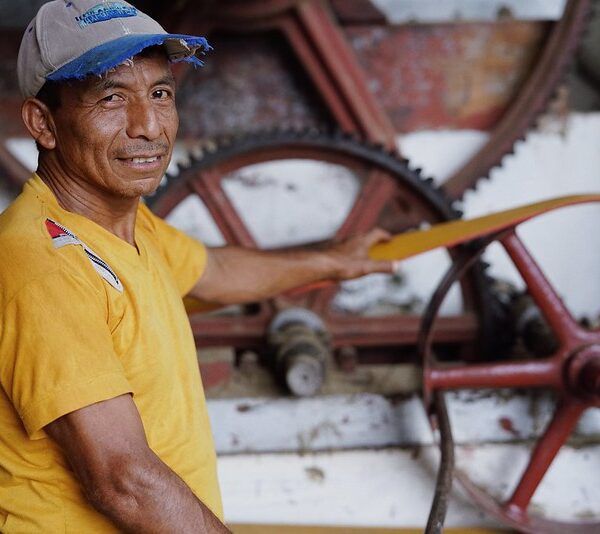
Through certification, landscape and community programs, tailored supply chain services, and advocacy, we are helping to protect and promote the rights of farmworkers around the world.
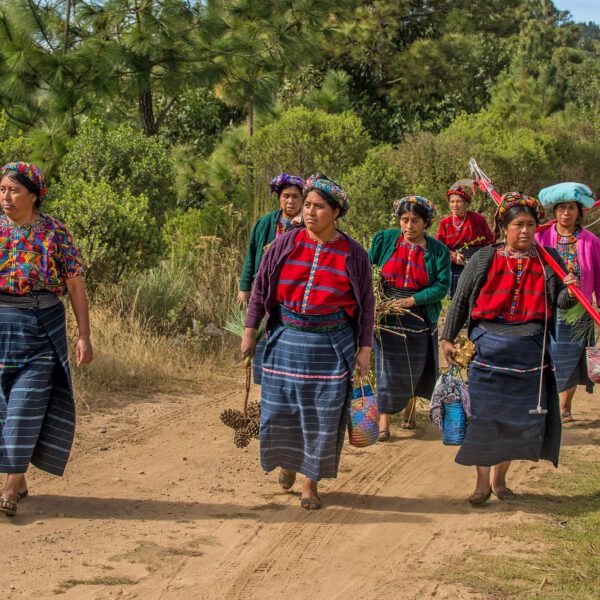
Addressing human rights abuses in agriculture and forestry is a key focus of our work to make responsible business the new normal.
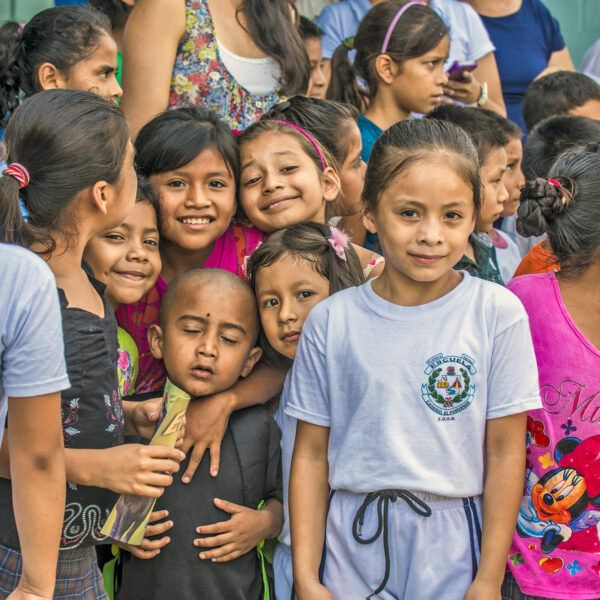
We can all play a crucial role to ensure that all children grow up in dignity. So, who’s with us?
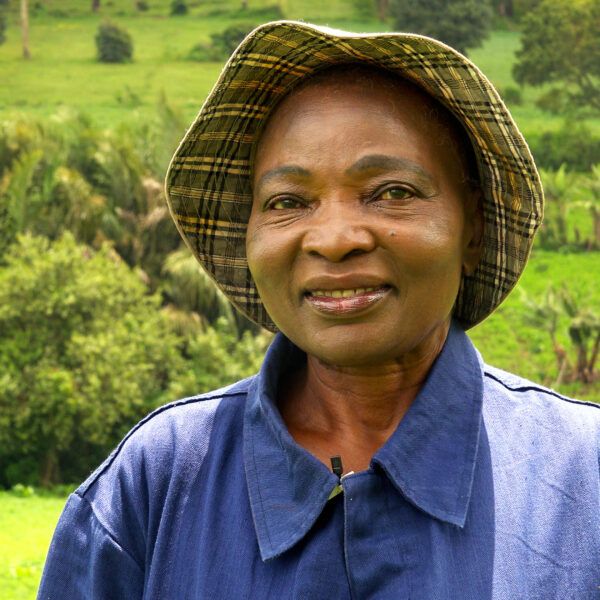
Meet 5 incredible women in sustainability who have successfully transformed their communities and the landscapes around them.

Learn more about a collaboration between the Rainforest Alliance and CARE that aims to uplift women working in agriculture by addressing the root causes of gender inequality and facilitating greater access to resources and opportunities without excluding men.
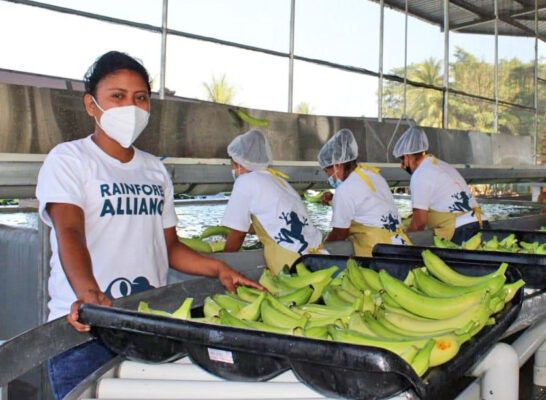
This project will provide training and engagement to at least 37,093 workers in the avocado and berry (strawberry and raspberry) sectors in Mexico and the banana and pineapple sectors in Costa Rica. ... Continue Reading
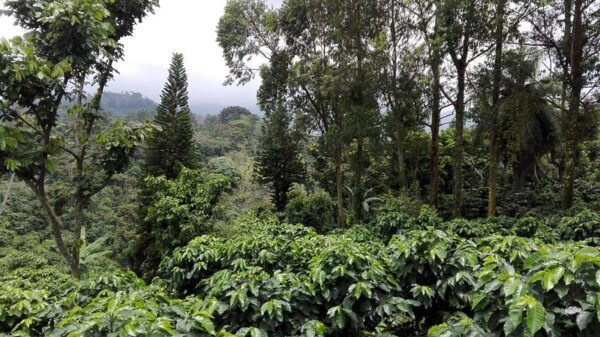
For the Rainforest Alliance’s Claudia Medrano, preventing child labor in Guatemala’s coffee landscapes is personal... Continue Reading
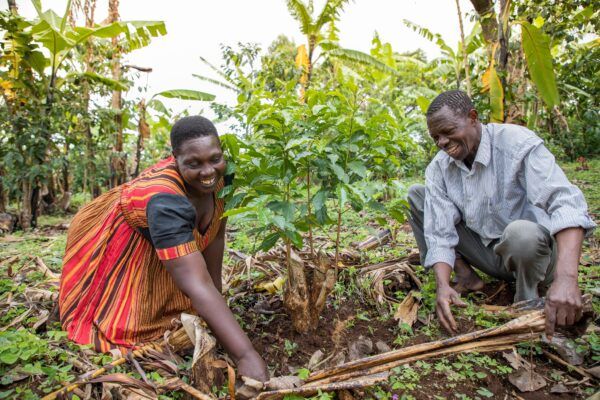
Mandatory due diligence legislation can ensure that companies identify, prevent, mitigate, and account for potential risks and negative impacts that their practices may have on human rights and the environment. ... Continue Reading

Child labor must stop but it is a complex issue with different social, economic, and political causes.
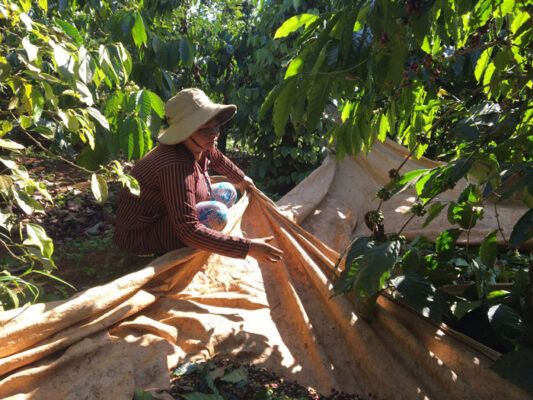
Vietnam’s fertile Central Highlands are ideal for growing coffee and production of the crop has soared over the last few decades. Although the growth of the industry has created thousands of jobs, many small-scale farmers struggle to make a living due to the overall low profitability of the sector. Child labor is also a widespread issue.... Continue Reading