Thriving Communities, Healthy Landscapes
We're helping more than two million farmers embrace more sustainable growing practices that can help build resilience to climate change and boost yields.
Across the tropics, farming and forest communities face a daily struggle to cover life’s basic needs. Breaking the cycle of rural poverty—and tackling the ensuing impacts for people and nature—is critical for a more sustainable future for us all.
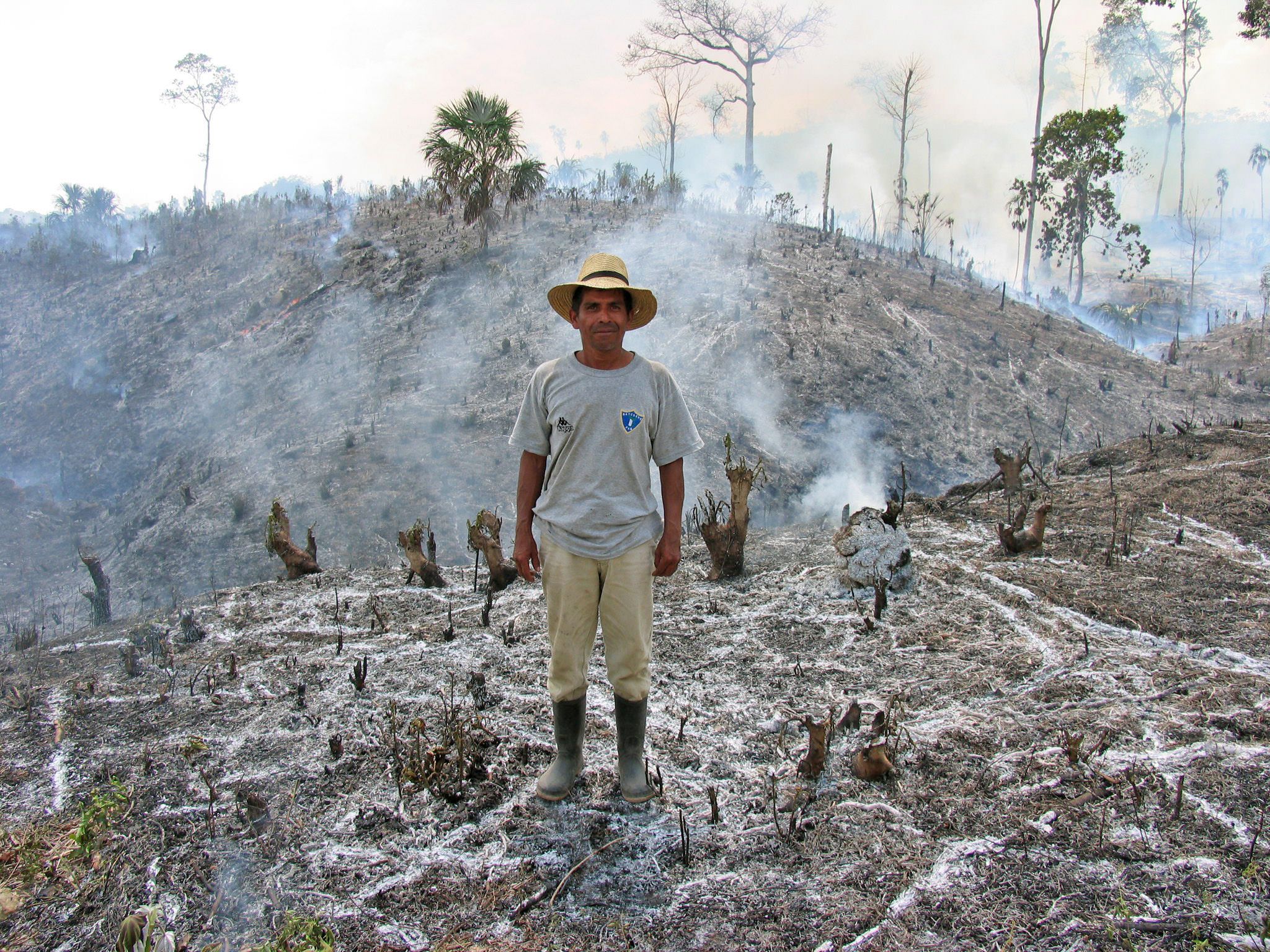
Rural poverty is at the root of many of our most pressing global challenges, from child labor and poor working conditions to deforestation for agricultural expansion. Economic desperation exacerbates these complex issues, which are deeply embedded in global supply chains. The result is a vicious cycle of environmental destruction and human suffering.
The Rainforest Alliance partners with frontline communities to build thriving rural economies rooted in more sustainable growing practices and forest stewardship. We also promote responsible business practices to ensure that companies recognize and reward sustainability transformation—in the field as well as the boardroom.
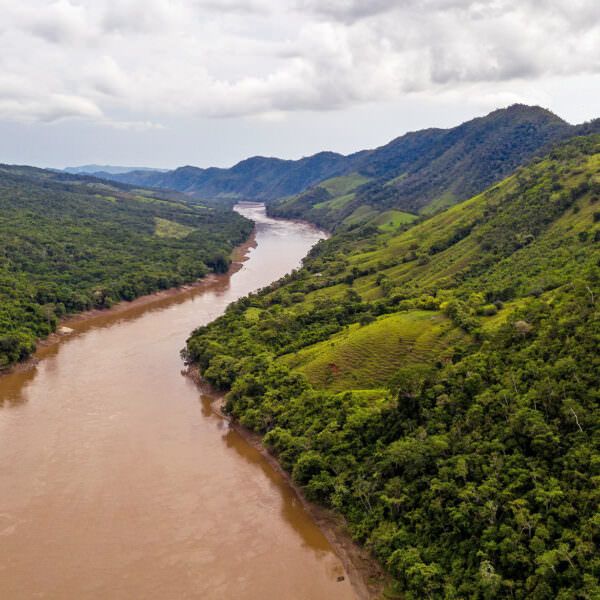
We're helping more than two million farmers embrace more sustainable growing practices that can help build resilience to climate change and boost yields.
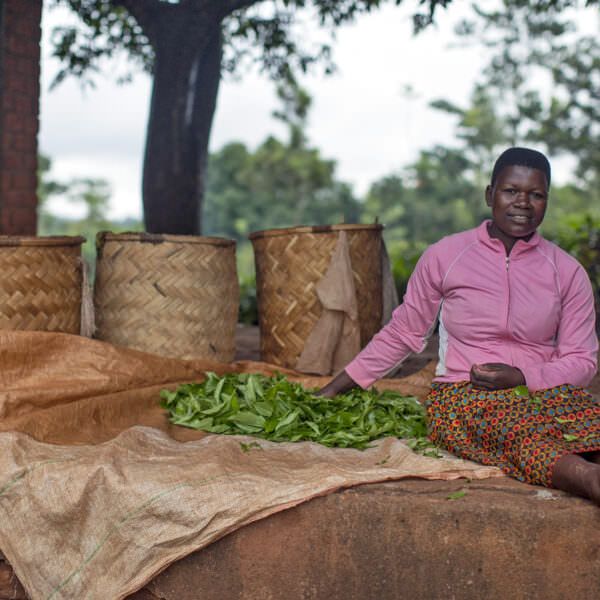
To improve rural livelihoods, we foster deep collaboration between farmers, civil society organizations, companies, and governments.
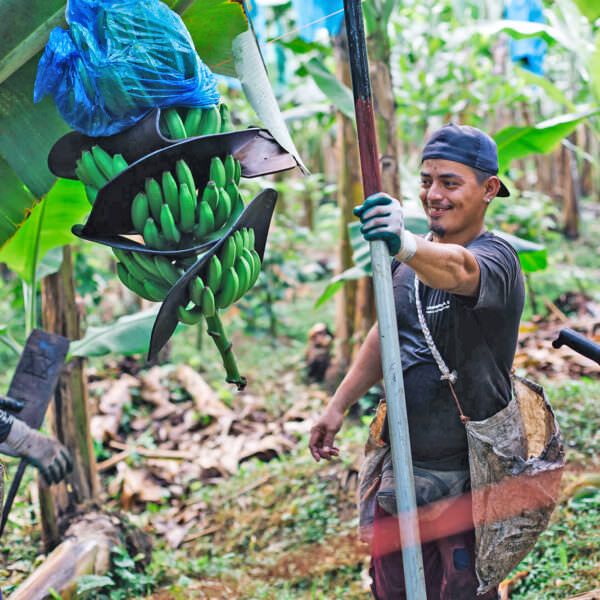
The Rainforest Alliance believes that workers around the world should be paid enough money to provide a decent life for themselves and their families.

The Business Case and Investment Opportunities for the Public and Private Sectors to Restore Degraded Ranching Lands In Ecuador, Colombia, Brazil, and across the Amazon, there is a growing trend to restore degraded lands to productive uses as part of the agendas for national economic development and climate change mitigation.
In this first-ever SAN/Rainforest Alliance Impacts Report, we summarize the effects of SAN/Rainforest Alliance farmer training and certification through an exhaustive review of nearly two dozen scientific studies and the audit data from over 200 certified farms and farmer groups. After presenting a global snapshot of the scope and geographic distribution of certified farms, the […]
Firefighting and rainwater harvesting helps communities protect forests and improve livelihoods.... Continue Reading
The livelihoods of more than 25 million people in the tropics depend on coffee, one of the world’s most widely traded commodities. Coffee is farmed on approximately 12 million hectares worldwide, an area nearly the size of England. In Latin America, producers traditionally grew coffee under the canopy of old-growth forests. As logging, cattle grazing, […]
In this PhD dissertation, Rebeca de Jesus Crespo of the University of Georgia evaluates the impact of coffee agroforestry on high elevation streams in Costa Rica, assesses the effects of shade tree cover requirements on water quality, and makes recommendations for maximizing the effectiveness of NGO-academia partnerships.
Producers’ perceptions of costs and benefits play an important role in the motivation to become and stay certified. This study of the short-term, economic costs of the investments, in light of the price premiums paid for Rainforest Alliance Certified coffee, indicates how compliance costs may be favoring or hindering growth. It reveals a complex cost-benefit […]