Thriving Communities, Healthy Landscapes
We're helping more than two million farmers embrace more sustainable growing practices that can help build resilience to climate change and boost yields.
Across the tropics, farming and forest communities face a daily struggle to cover life’s basic needs. Breaking the cycle of rural poverty—and tackling the ensuing impacts for people and nature—is critical for a more sustainable future for us all.
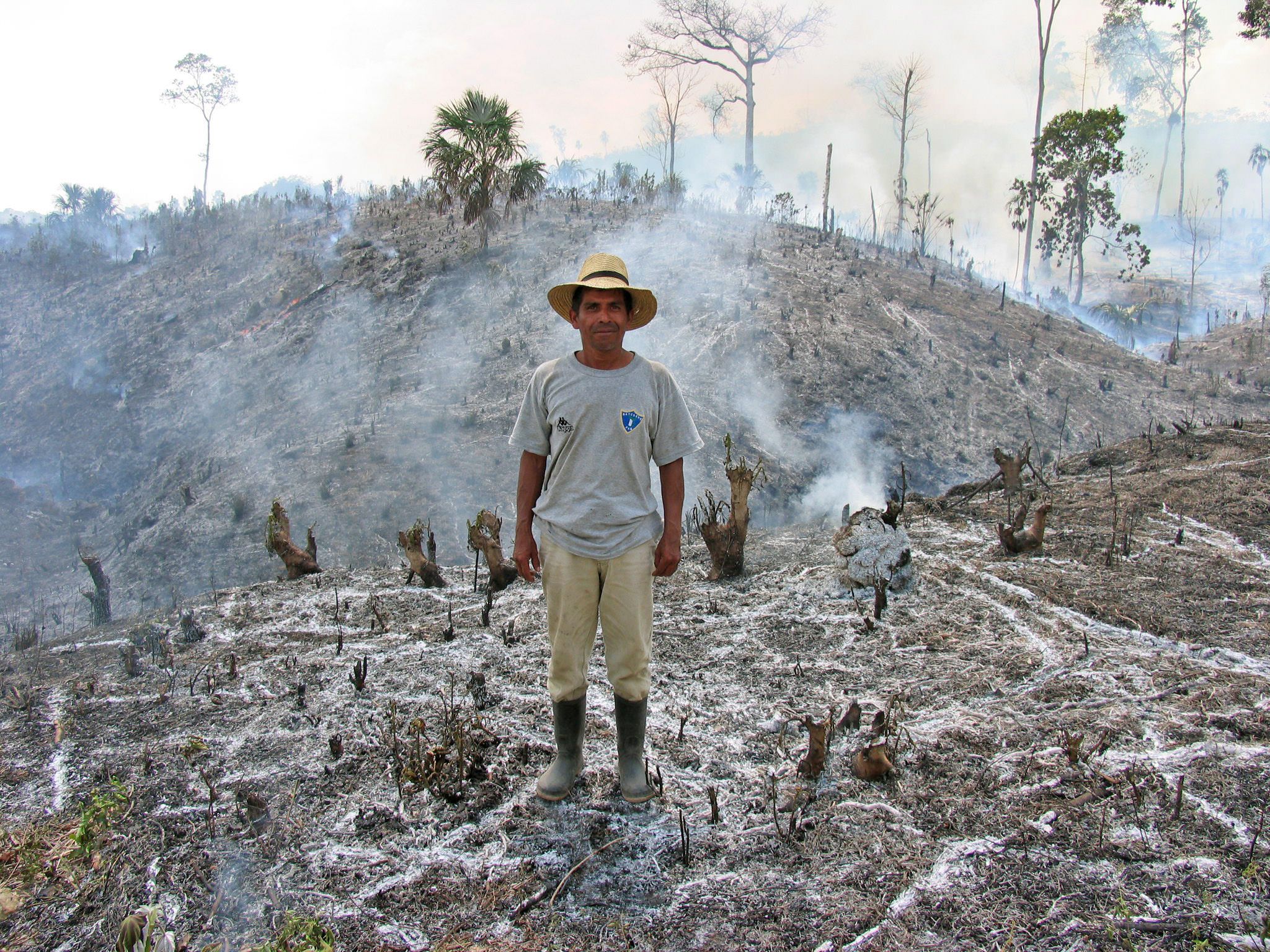
Rural poverty is at the root of many of our most pressing global challenges, from child labor and poor working conditions to deforestation for agricultural expansion. Economic desperation exacerbates these complex issues, which are deeply embedded in global supply chains. The result is a vicious cycle of environmental destruction and human suffering.
The Rainforest Alliance partners with frontline communities to build thriving rural economies rooted in more sustainable growing practices and forest stewardship. We also promote responsible business practices to ensure that companies recognize and reward sustainability transformation—in the field as well as the boardroom.
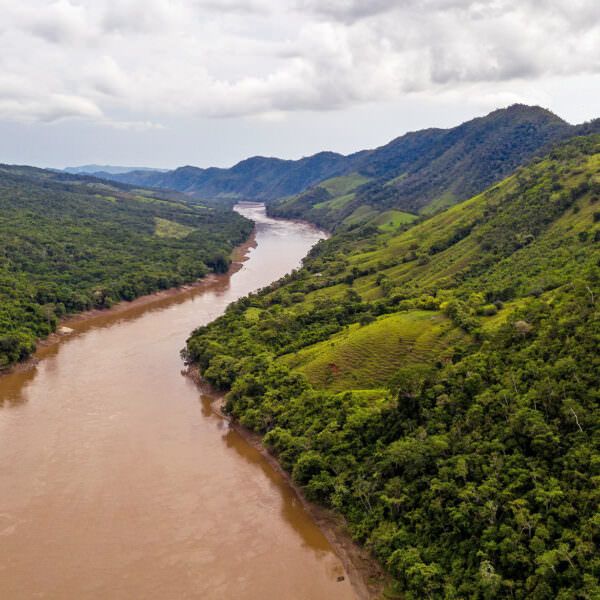
We're helping more than two million farmers embrace more sustainable growing practices that can help build resilience to climate change and boost yields.
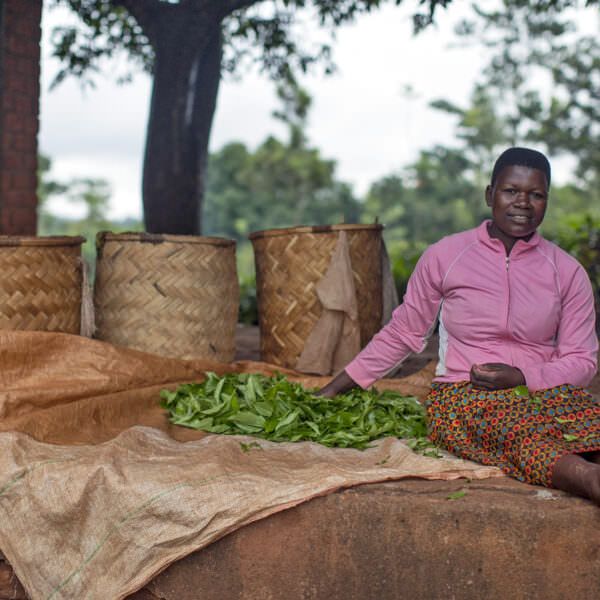
To improve rural livelihoods, we foster deep collaboration between farmers, civil society organizations, companies, and governments.
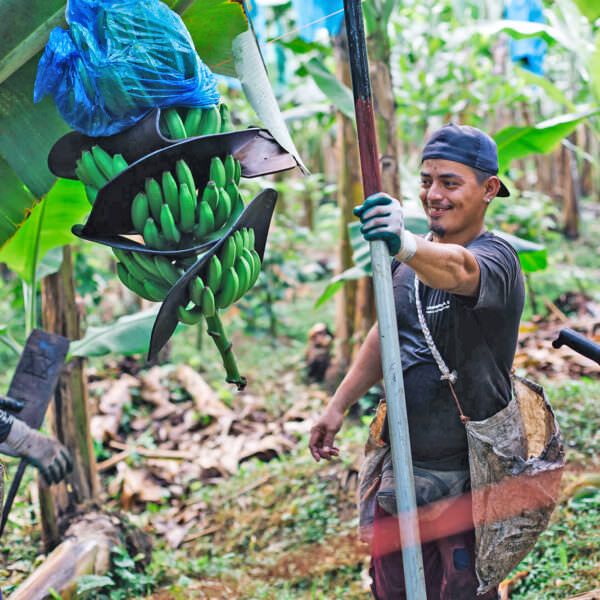
The Rainforest Alliance believes that workers around the world should be paid enough money to provide a decent life for themselves and their families.

This impact evaluation was commissioned to Wageningen University, and analyses the contribution of certification and interventions of companies implementing certification with groups of farmers in Côte d’Ivoire. The outcomes analysed are increased yields, improved income, improved working and living conditions, and better environmental protection. The results indicate that cocoa farmers increased their knowledge and implement […]
This scientific article analyses the social, economic, and environmental effects of voluntary standards initiatives and corporate initiatives in the cocoa sector in West Africa, largely focusing on farm and farmer group. It is based on empirical evidence from large-scale, mixed-method studies using a suite of socioeconomic, agronomic, and environmental indicators to compare the situation of […]
The study looks at impacts of transition to mechanized harvesting; employment terms and conditions; gender discrimination; wages; occupational health and safety; housing and living conditions; and operational grievance and remedy mechanisms. ... Continue Reading

Young people are critical to the Rainforest Alliance’s mission. Investing in the future of forests and communities means investing in the next generation of leaders, technicians, community members, and forest guardians. That’s why we’ve created a useful reference guide for sustainability experts who wish to develop youth-related projects in different regions around the world. This […]

Rainforests are among the most vibrant and iconic ecosystems Earth has to offer. They are also crucial for the survival of the planet and its life.

Here's what tea lovers can do to help drive positive change and make tea more sustainable. Registration (for free) is required to read the article.