Schools are the learning laboratory for tomorrow’s environmental leaders, and the ideal place to put sustainable lessons into action. Here are some accessible ideas from the Rainforest Alliance team for students and teachers to champion sustainability in schools.
Classrooms are great places to learn practical ways to be more eco-friendly. There are all kinds of concrete actions you can take as a student, teacher, or parent to make your school community greener. By working together, you can make sustainability in schools fun and inspiring!
Seven ways to make your school more sustainable
Making your school more sustainable doesn’t need to rely on expensive technology or major construction; there are lots of affordable, accessible ideas that will help green your school and protect your local environment.
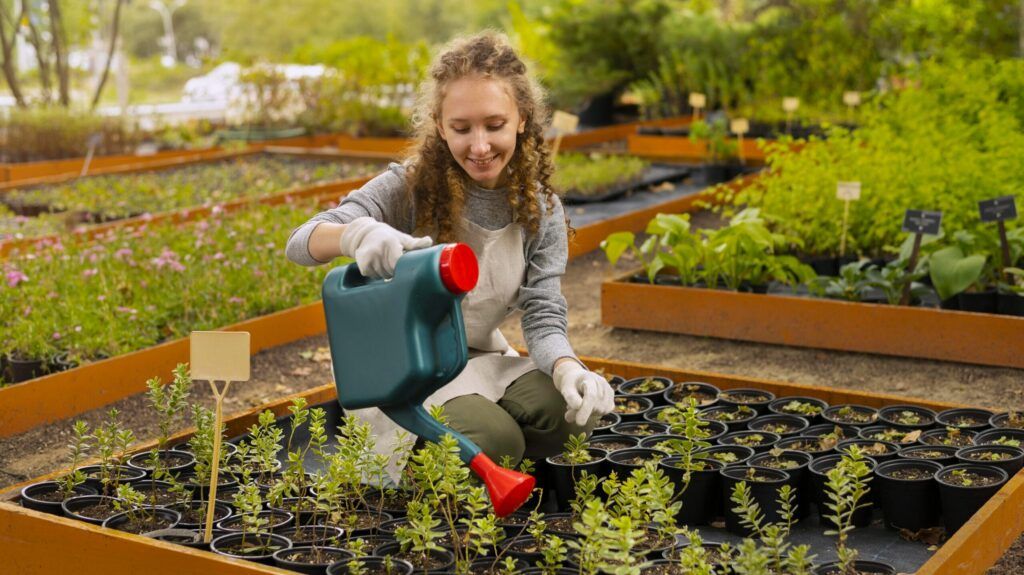
1. Grow a biodiversity garden
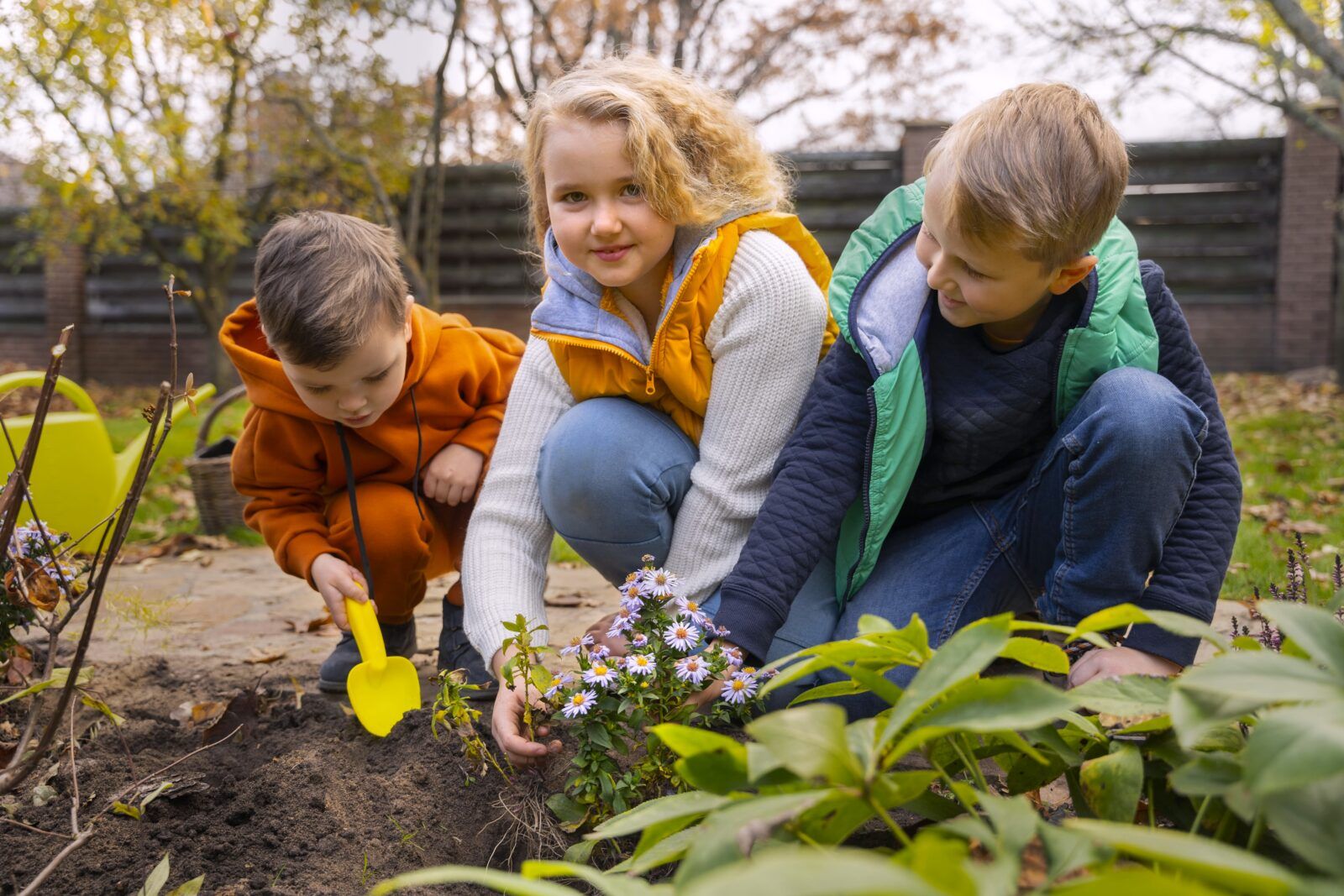
Nature is our best teacher: planting native flowers, shrubs and trees to create a pollinator-friendly school garden is a great way for students to learn how an ecosystem works. Students can make it a safe haven for wildlife by adding water features, insect hotels, and bird houses. Maybe some benches would make it a safe haven for humans too—a relaxing spot in the school yard for students to enjoy the biodiversity they helped to create. For inspiration, see the Rainforest Alliance’s guide on how to help save insects and its tips for attracting hummingbirds and boosting biodiversity.
If your school doesn’t have outdoor space available, try bringing nature inside instead! Classes can grow herbs and microgreens on windowsills, learn to propagate plants, and create small indoor gardens. The Rainforest Alliance’s guide to tropical houseplants offers some inspiration for turning a classroom into a mini rainforest.
Students can also use food scraps to help establish a school composting system. Composting turns would-be-waste into a nutritious treat for your school garden’s soil—and might inspire some students to start composting at home too.
2. Make the school cafeteria more sustainable
Speaking of food waste… the school cafeteria is another place where small acts of sustainability add up quickly. Your class can work with cafeteria staff to assess food waste, measuring how much food is thrown away and why. By analyzing the results together, you can help the school in reducing waste by tweaking menu options, encouraging appropriate portions, using leftovers creatively and safely, and composting in the school garden. You can read our five easy steps to reduce food waste as a starting point.
Working with schools to offer more plant-based and meat-free options is another eco-friendly (and tasty) step. School cafeterias can also support sustainability in the wider world by sourcing Rainforest Alliance Certified fruit, tea, coffee, cocoa and more. From Indonesia to Mexico, our little green frog seal shows that the farms and companies behind these products are working towards environmental, social, and economic sustainability.
3. Cut down on waste
There’s a surprising amount of reusable and recyclable materials in the old electronics around your school and home. But a lot of it is just sitting forgotten in a drawer, and deprived of a chance at a second life. You could conduct an electronic waste drive where students learn about the impact of e-waste and safely collect items for recycling. You can even make it a school-wide contest in partnership with a local recycler—the class that collects the most e-waste wins a prize! Every item collected is a small win in its own way: Responsible e-waste disposal recycles valuable, finite resources, and prevents harmful materials from entering our environment.
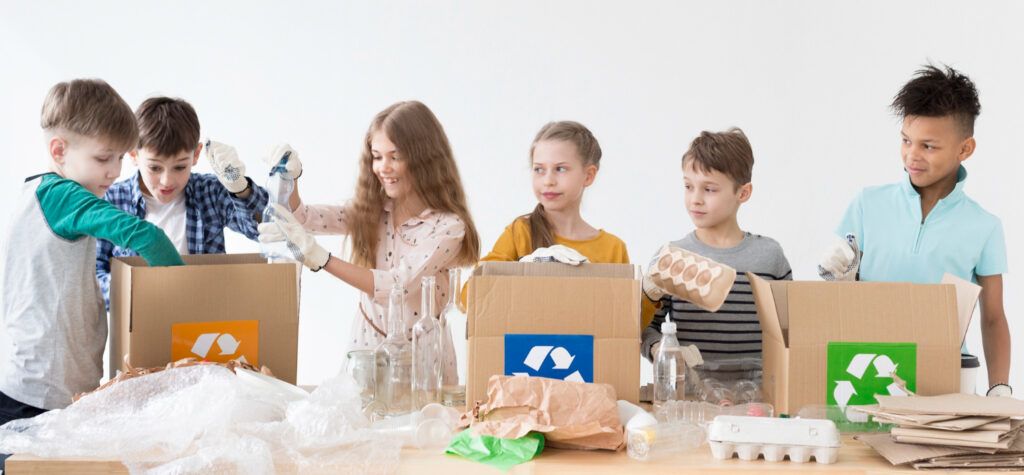
While you’re thinking about waste, you could also look at the wider trash situation in your school. Students and teachers can collaborate on a waste “audit,” identifying what’s being thrown away and where reduction or recycling might be possible instead. Just separating different types of waste into clearly labelled bins is a simple first step you can take in class today.
4. Green your school curriculum
Environmental issues link to all aspects of life and lessons, and that can be reflected in the classroom. There are endless ways to connect curriculum with real-world sustainability: math students can calculate the school’s energy use; English classes can practice writing persuasive letters about green issues to decision-makers; science classes can teach about local and global ecosystems and how to protect them; and creating environmentally focused pieces in art class can inform and inspire.
And did you know the Rainforest Alliance offers a free Environmental Curriculum for schools? It’s packed full of resources covering biodiversity, forest communities, and sustainable practices, including classroom materials for teachers and opportunities for students to take direct action.
Check out our new Environmental Curriculum for schools
Calling all teachers and parents! Discover the Rainforest Alliance Environmental Curriculum for early learners to high schoolers (age 5-18). We have free, downloadable lesson plans—with videos, quizzes, worksheets, and math and art tie-ins—to inspire young students to understand and care for nature.
5. Raise your voices for sustainability
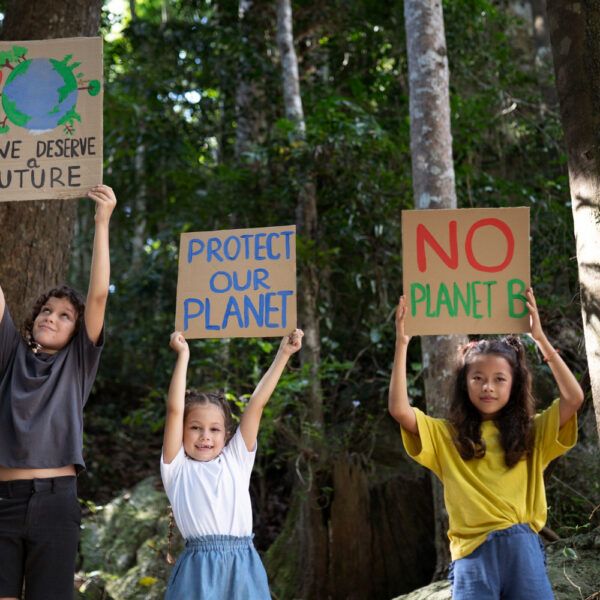
To create enduring sustainability in schools, students need to feel ownership of it. Try setting up a student sustainability committee with representatives from every class; the group should have a regular meeting schedule, a teacher as an advisor, and a meaningful role in school decision-making.
External experts can offer guidance on school sustainability and students can petition school leaders for positive change. Maybe the committee will decide water-saving fixtures should be installed, unused lights should be switched off, single-use plastics should be reduced, or that more recycling bins are needed. By having student-led processes to effect such changes, students will learn about civic participation, that activism starts locally, and that their voices can help shape the world around them.
6. Make it a competition
Community is the backbone of sustainability, and encouraging the whole school to participate in green actions is both important and fun! Competition can put a little pep in reluctant students’ steps: classes could compete to reduce waste, save water, or have the lowest carbon footprint. Schools could designate a plastic-reduction month, hold a fair to showcase student sustainability projects, or challenge classes to raise donations for an environmental organization like the Rainforest Alliance.
7. Celebrate international days with school-wide events
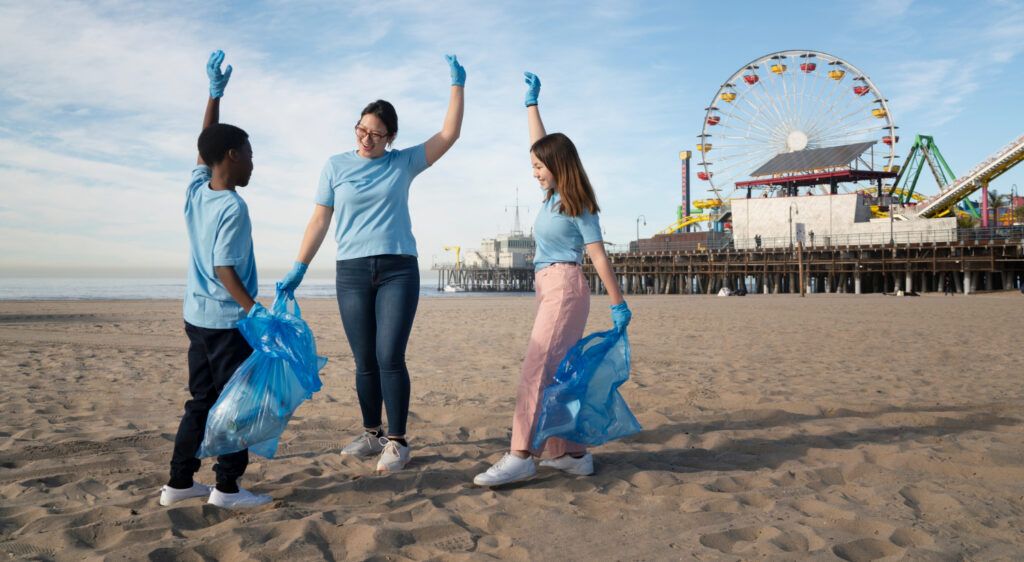
Global days like Earth Day, World Environment Day, and the International Day of Forests are great opportunities for students to feel connected to the wider sustainability movement. Seize the opportunity to organize clean-ups, tree plantings, film screenings, fundraisers, and other student-led campaigns—anything that gets more people involved and interested.
Sustainability isn’t just taught. It’s lived.
A sustainable school is about more than one student, one teacher, or one action. It takes real commitment from the wider school community, driven by hundreds of shared choices to take the greener road. With teachers’ guidance and students’ leadership, schools can be a place where sustainability isn’t just taught: It’s lived.
Good luck greening your school. Sign up below to get more tips for everyday actions you can take for our planet!
Together, we’re building a future where people and nature thrive. Sign up today and join our movement.
"*" indicates required fields