Community: The Secret to Stopping Deforestation in Guatemala
The forest concessions of the Maya Biosphere Reserve have boasted a near-zero deforestation rate for 20 years.
A full third of Mesoamerica is covered in lush forest, which serves as home to scores of Indigenous and local communities, iconic wildlife, archeological wonders, and abundant biodiversity. While agriculture is the backbone of the region’s economy, it also drives deforestation and climate change.
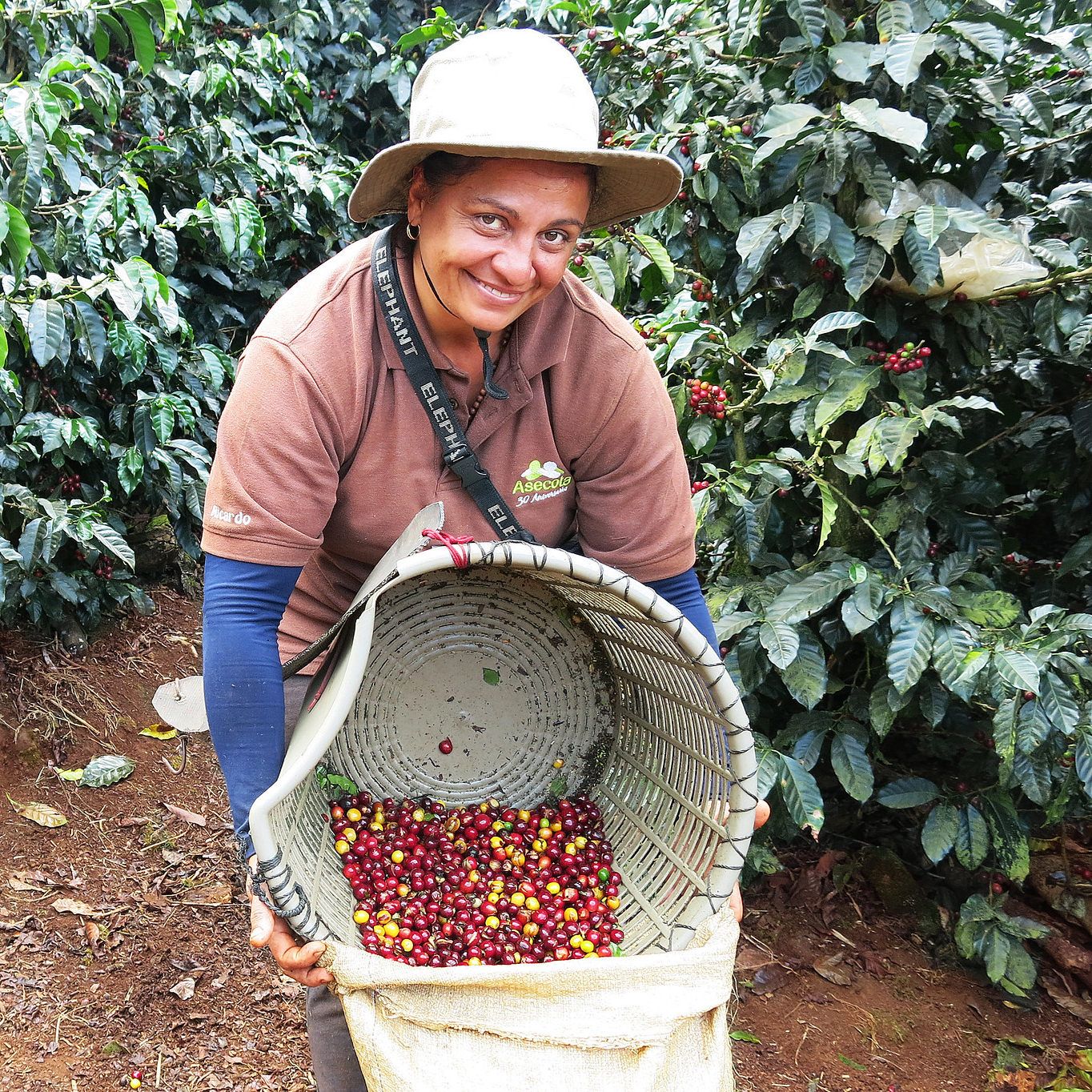
Prolonged droughts and frequent hurricanes are making it harder for farmers in Mesoamerica to make a living. A lack of access to international buyers and government support compounds the problem, leading some farmers to cut down forests for more cropland, while others migrate elsewhere in search of better opportunities.
Our community forestry work in the Selva Maya is recognized around the world as a stunning success for people and nature. We also work with certified farmers on producing crops like coffee, cocoa, and fruits sustainably.
Through our certification program, we work to improve the sustainability of 61,443 smallholder farmers, 233 farm groups, and almost 3,000 large farms across 700,000 thousand hectares. Almost half a million workers benefit from these efforts.
Data through 2023.
We worked with community forestry businesses to improve their conservation practices while achieving US$53 million in sales of forest products from 2013 to 2023. As a result, the communities conserved one million hectares of forest.
We always start by listening. We work with farmers and forest communities to develop solutions to their specific challenges—which range from a lack of investment and business skills to poor soils and droughts. Our agricultural certification program supports farmers and workers, while our forest work helps both forests and communities thrive.
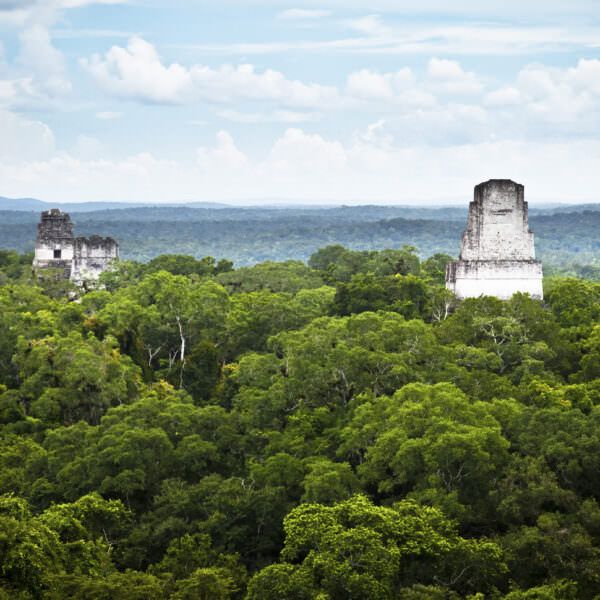
The forest concessions of the Maya Biosphere Reserve have boasted a near-zero deforestation rate for 20 years.

We worked with eight indigenous coffee-farming communities in Chiapas to build skills in fire prevention, business skills, and health and nutrition.
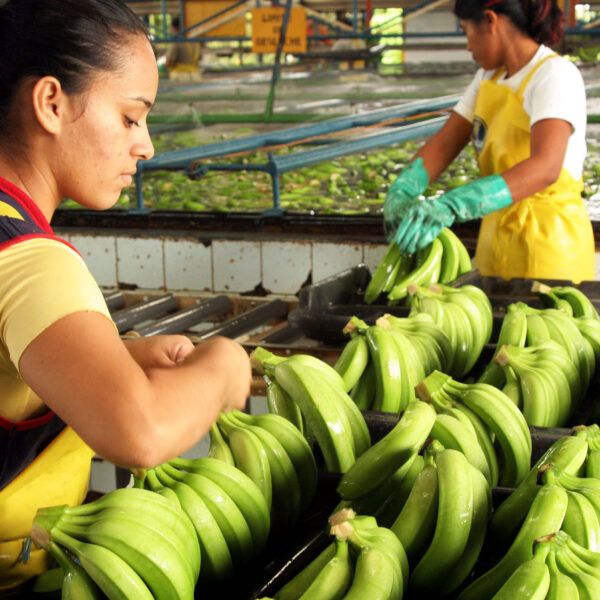
Rich biodiversity? Check. Well-treated workers? Check. Prepared for climate events? Check. Costa Rica's banana industry has a long history of worker abuse and environmental destruction—but these certified farms are proving there's a better way.
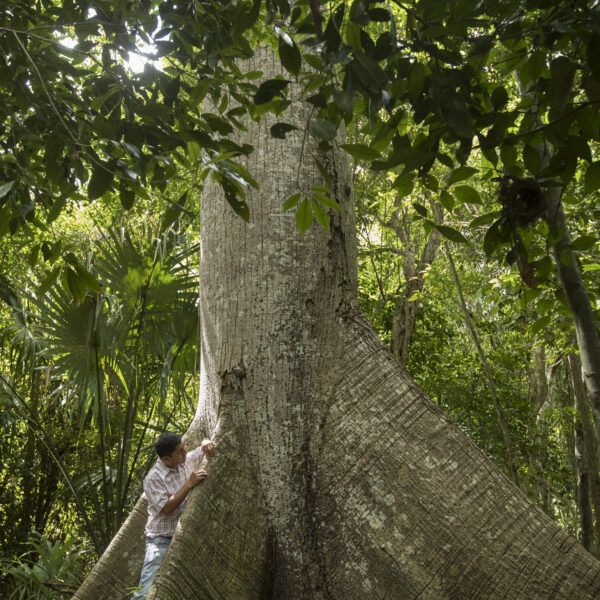
We are working to grow Mexico’s domestic market for sustainably produced products.

In this PhD dissertation, Rebeca de Jesus Crespo of the University of Georgia evaluates the impact of coffee agroforestry on high elevation streams in Costa Rica, assesses the effects of shade tree cover requirements on water quality, and makes recommendations for maximizing the effectiveness of NGO-academia partnerships.
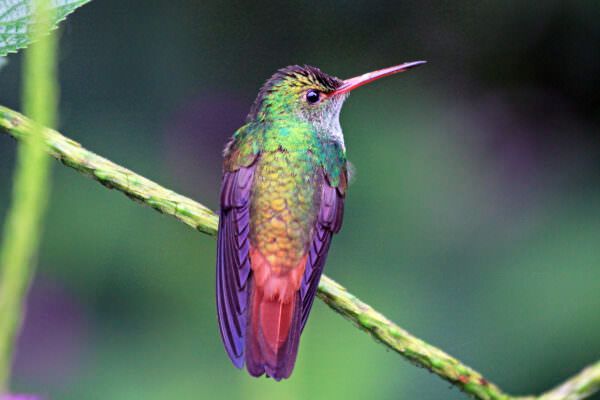
The vibrant plumage and distinctive songs of migratory birds are not just aesthetic and aural gifts from nature. They are indicators of the biodiversity health of a given landscape. If migratory birds are thriving, then the ecosystems needed to sustain them along their long routes are also flourishing.
Some migratory bird routes are just a short flight to a different elevation on a mountainside, while other routes span thousands of miles across continents. Whatever the length of the passage, migratory...... Continue Reading
Covering close to 2.1 million hectares, Guatemala’s Maya Biosphere Reserve (MBR) is the largest protected area in Central America and home to about 180,000 people, as well as globally important biodiversity and cultural heritage. This report by the Rainforest Alliance, Consejo Nacional de Áreas Protegidas (CONAP), and the Wildlife Conservation Society analyzes deforestation trends in […]
Through the Mexico REDD+ Alliance, the Rainforest Alliance and project partners are implementing community-based climate change education and capacity building activities, using the Forest Conservation and Climate Change Curriculum Toolkit, in order to ensure that indigenous and smallholder communities receive the knowledge needed to make informed decisions about their natural resources and actively participate in […]
Effects of a voluntary sustainability standard system on 106 Latin American tourism enterprises The tourism industry can harm wildlife, plants, and natural ecosystems through habitat destruction, pollution, over-exploitation of natural resources, and visitor traffic to sensitive ecosystems. One approach to mitigate such threats is the application of voluntary sustainability standards, supported by training for tourism […]
Learn about the mystical forests of the Maya and the second largest barrier reef in the world! Toledo Institute for Development and the Environment (TIDE) is working with communities in southern Belize to protect a huge swath of the Selva Maya (or Maya forest) and the coastal ecosystems downstream. Students will learn about the jaguars, […]