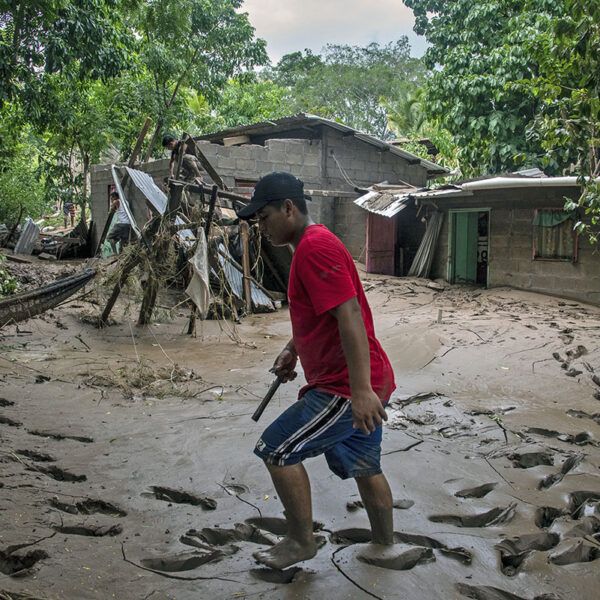
Climate change has already impacted most of us in one way or the other. Droughts, wildfires, floods, and extreme weather events have turned lives upside down everywhere. Even if you haven’t experienced anything so dramatic (yet), chances are you’re feeling the pain at the supermarket, as climate change makes certain foods harder for farmers to grow.
Already, some farmers are giving up on their crops altogether, turning to other ways to make a living—and that’s likely to keep happening, until some foods become completely unavailable. So which foods will be the first to go?
Unfortunately, the foods you might soon lose to climate change are likely some of your favorites.
Join our movement to fight climate change, support coffee growers, and save one of the world’s most beloved beverages.
"*" indicates required fields
Coffee

Many of us can hardly face a single day—much less an entire future—without a cup of coffee. Rising temperatures in coffee-growing regions have caused no end of problems for coffee farmers, and in Latin America particularly, these warmer conditions have caused an insidious fungus, called roya (leaf rust), to spread like wildfire. Given that in Central America and southern Mexico millions of people depend on coffee for their incomes, roya is a disaster for coffee communities and coffee lovers alike.
The Rainforest Alliance works with farmers to outsmart roya using a combination of natural treatments, and to apply other climate-smart practices that protect coffee crops and farmer incomes. Latin America is not the only coffee-growing region under threat from climate change: It’s estimated that areas suitable to growing coffee will shrink by 50 percent by 2050 due to rising temperatures and other climate impacts.
Chocolate

Chocolate may not be essential to our health, but any chocoholic can tell you it’s essential to happiness. Climate change, however, combined with unsustainable farming techniques, has caused a crisis in cocoa production. In fact, some formerly productive land has already been rendered totally unsuitable for this in-demand crop. Longer dry seasons and less rainfall, as well as new pests and diseases, have reduced not just yields but quality.
To help combat these challenges, our farmer training programs emphasize climate-smart cocoa farming methods to build resilience to droughts, floods, higher temperatures, and shifting growing seasons in vulnerable regions—including the key cocoa-producing regions of West Africa and Indonesia.
Tea
Tea is already the second-most consumed beverage after water—and between a booming population and a boost from a growing wellness industry, this beloved drink is only becoming more popular. But as a crop, tea is highly sensitive to changes in climate. Tea can only be produced in narrowly defined agro-ecological conditions—meaning it can be grown in very few places, all of which are now facing severe climate change impacts.
The Rainforest Alliance is working with tea farmers all over the world to adapt to climate change, and to slow it down. These methods also protect soil, water, and workers from exposure to dangerous pesticides. The end result is higher crop yields, and therefore less need to expand cropland into the virgin rainforest nearby. That’s good news for tea drinkers and bad news for climate change, since an intact rainforest absorbs the emissions that would otherwise seep into the atmosphere and cause global warming.
Bananas

Did you know that bananas are one of the most popular fruits in the world?
They’re also under threat from climate change. While bananas love higher temperatures, so do pests and diseases like black leaf streak, which can easily wipe out an entire harvest. Extended droughts pose a problem for this water-thirsty crop, too.
The Rainforest Alliance has long worked with banana farms to use climate-friendly practices. Check out, for instance, these Costa Rican banana farms that are growing a better future for people and nature.
Avocados
Packed with powerhouse Omega-3 fatty acids, yummy on toast, and the core ingredient of one of life’s essential pleasures, guacamole—is it any wonder that so many of us love avocados?
Global consumption of avocados is on the rise, but the fact is, these leather-skinned delicacies need precisely the opposite of what climate change provides to grow well: temperatures that are not too hot and not too cold. Avocado production in California has already declined thanks to heat waves and drought. Mexico, which provides the US with 80 percent of its avocados, is also feeling the effects of extreme temperatures. Some farmers there, under pressure to keep up with demand, are expanding their cropland into nearby forests, which causes emissions, which in turn drives climate change. Talk about a vicious cycle!
The Rainforest Alliance works with avocado farms in Mexico and South Africa to grow in ways that protect against climate impacts, help slow climate change, nourish the land, and improve farmer livelihoods.
What Can You Do?
If the prospect of losing these favorite foods drives you to drink, we have some sad news: Beer and wine are on the short list of foods threatened by climate change, too. Instead of drowning your sorrows, get busy! Be sure to buy products with the Rainforest Alliance Certified seal at the supermarket and join our movement for people and nature. Together we can create a better future (a future that includes our favorite foods!).