Our Mission to Protect the World’s Forests
We are working in 60+ countries to build sustainable, rural economies—a proven strategy to keep our forests standing.
Forests are critical to every living thing on Earth. Not only do they give us clean air, shelter, and rain, they house 80 percent of the world’s terrestrial biodiversity. Alarmingly, humans have destroyed half of the world’s tropical forests and driven extinction rates up thousands of times higher than what is natural.
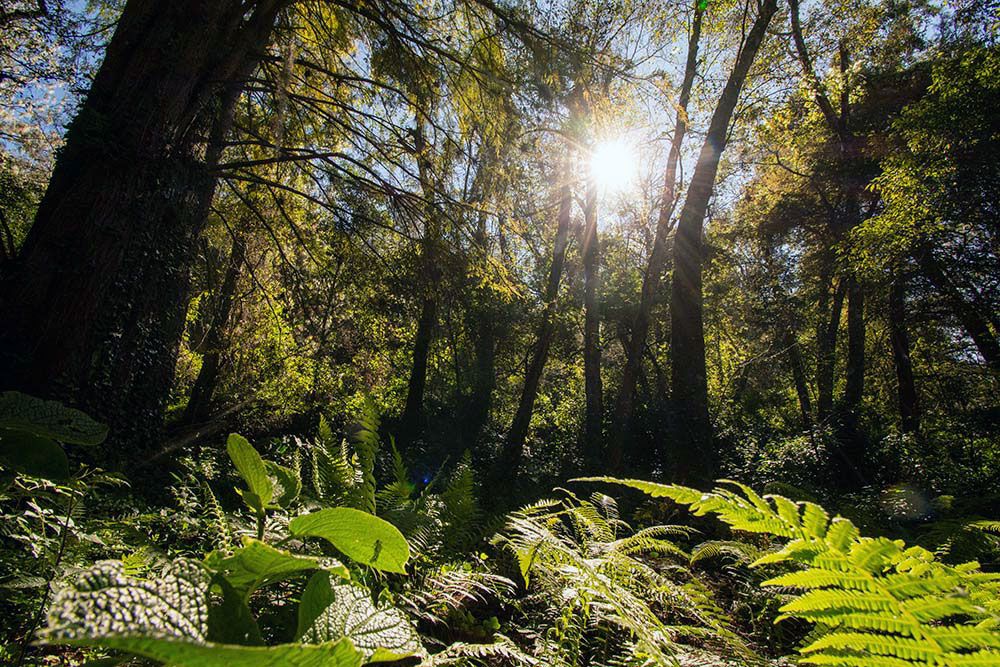
Forests are a powerful natural climate solution. As trees grow, they absorb and store carbon emissions, while releasing oxygen into the atmosphere. Conserving forests could cut an estimated 7 billion metric tons of carbon dioxide each year—the equivalent of getting rid of every car on the planet.
Together with forest and farming communities, Indigenous leaders, companies, governments, and global citizens, the Rainforest Alliance works in 58 countries to promote more sustainable land management practices while cultivating thriving rural economies—the most widely proven strategy to restore biodiversity and keep our tropical forests standing.
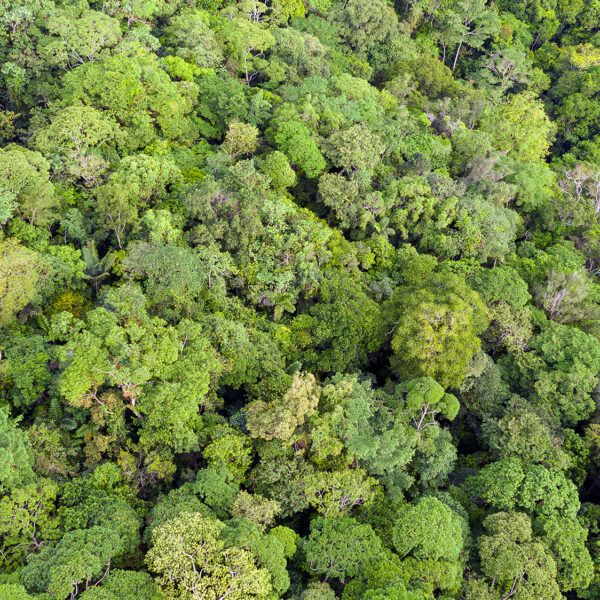
We are working in 60+ countries to build sustainable, rural economies—a proven strategy to keep our forests standing.
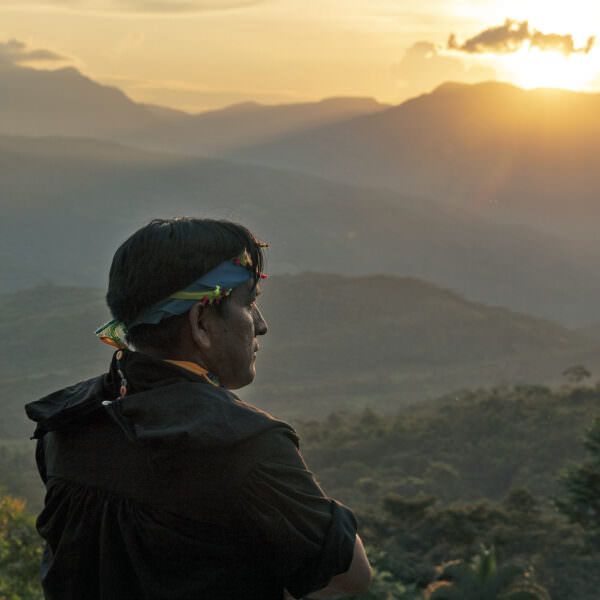
Indigenous peoples and local communities have an unsurpassed connection to the Earth's forests.
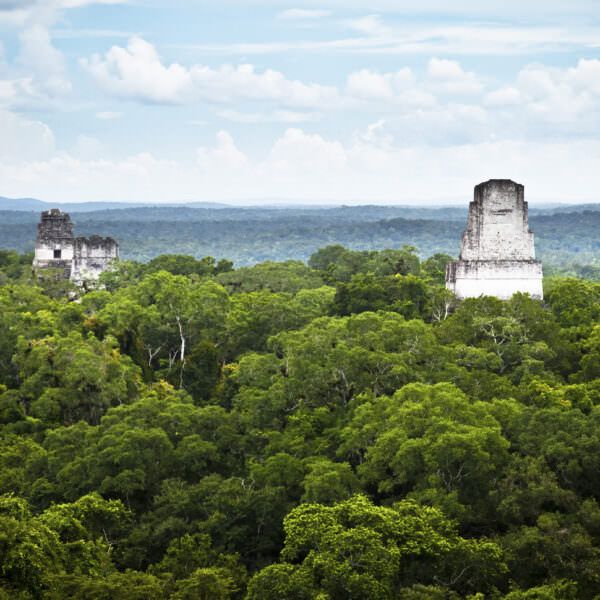
The forest concessions of the Maya Biosphere Reserve have boasted a near-zero deforestation rate for 20 years.
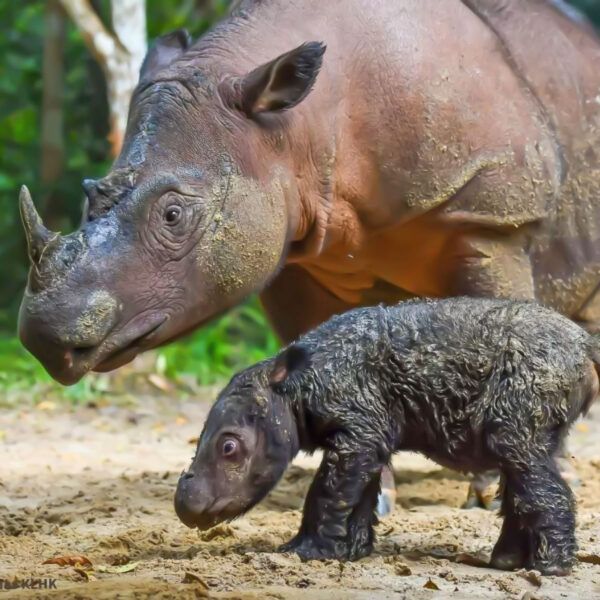
We're training coffee farmers in the Bukit Barisan Selatan National Park buffer zone to help them conserve biodiversity and improve their livelihoods.

Over the last two decades, countries across the tropics have devolved increasing authority over natural forests to local actors. While decentralizing control over natural forests is a step in the right direction, it is also clear that community forests can actually face increased pressure for conversion once they’re handed over. In this context, the capacity […]
MREDD+ works on three levels to test tools and models and provide lessons learned for refining state and national strategies. ... Continue Reading
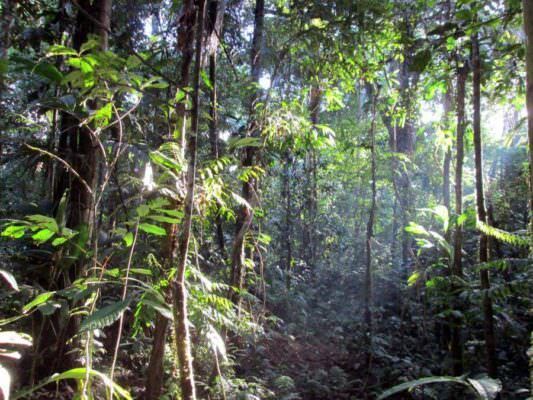
The only realistic way to conserve forests is to apply sustainable forest management practices.... Continue Reading
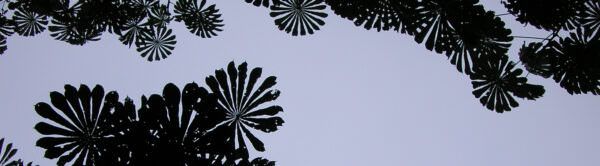
Central Africa contains the second largest expanse of contiguous moist tropical forest of the world. It represents 70 percent of the African continent’s forest cover and constitutes a large portion of Africa’s biodiversity.
In the Congo Basin, forests are home to roughly 30 million people and support livelihoods for over 75 million people from more than 150 ethnic groups. In all of the six countries, forestry is a major economic sector, providing jobs and local subsistence from timber and...... Continue Reading

Thanks to the exceptional richness of its forest ecosystems, Cameroon occupies the fifth rank in Africa in terms of biodiversity.
Although overall deforestation rates in the region are still lower than those in parts of the Amazon and southeast Asia, they have accelerated over the past few years, driven by the establishment of large-scale agricultural and mining operations. With the aid of government agencies, large firms have been seizing swaths of land in forested areas that were traditionally...... Continue Reading
This case study chronicles work undertaken with the CAIFUL forestry cooperative, situated near the indigenous Miskitu community of Brus Laguna, in the Río Plátano Biosphere Reserve, in northeastern Honduras. Home to approximately 11,000 people, Brus Laguna is one of the country’s poorest municipalities, with an annual per capita income of US$1,090. The people who call […]