Our Mission to Protect the World’s Forests
We are working in 60+ countries to build sustainable, rural economies—a proven strategy to keep our forests standing.
Forests are critical to every living thing on Earth. Not only do they give us clean air, shelter, and rain, they house 80 percent of the world’s terrestrial biodiversity. Alarmingly, humans have destroyed half of the world’s tropical forests and driven extinction rates up thousands of times higher than what is natural.
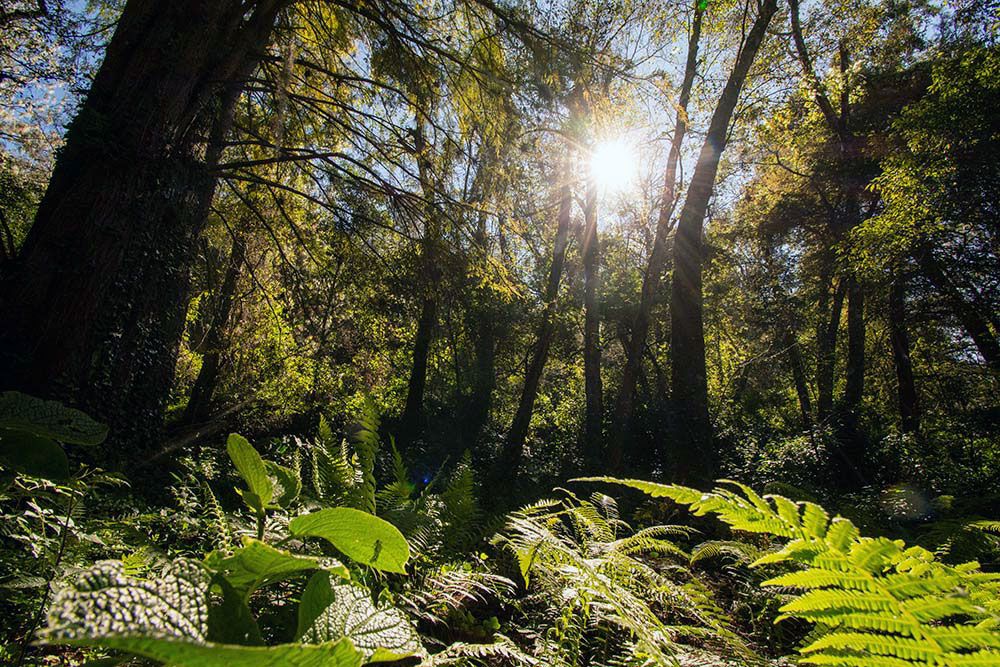
Forests are a powerful natural climate solution. As trees grow, they absorb and store carbon emissions, while releasing oxygen into the atmosphere. Conserving forests could cut an estimated 7 billion metric tons of carbon dioxide each year—the equivalent of getting rid of every car on the planet.
Together with forest and farming communities, Indigenous leaders, companies, governments, and global citizens, the Rainforest Alliance works in 58 countries to promote more sustainable land management practices while cultivating thriving rural economies—the most widely proven strategy to restore biodiversity and keep our tropical forests standing.
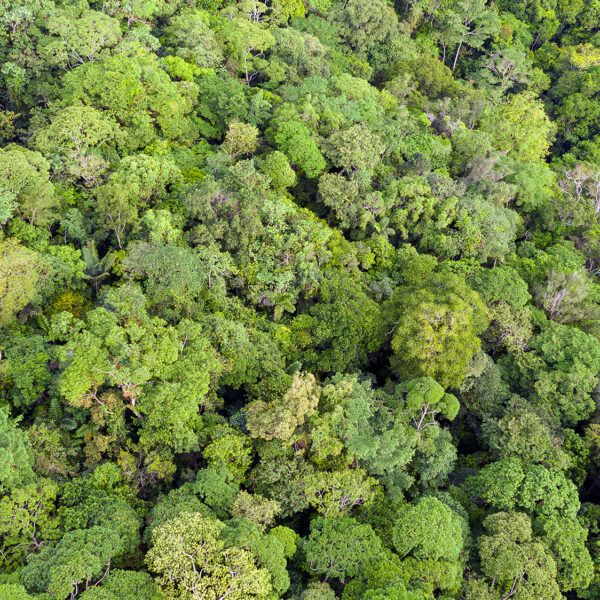
We are working in 60+ countries to build sustainable, rural economies—a proven strategy to keep our forests standing.
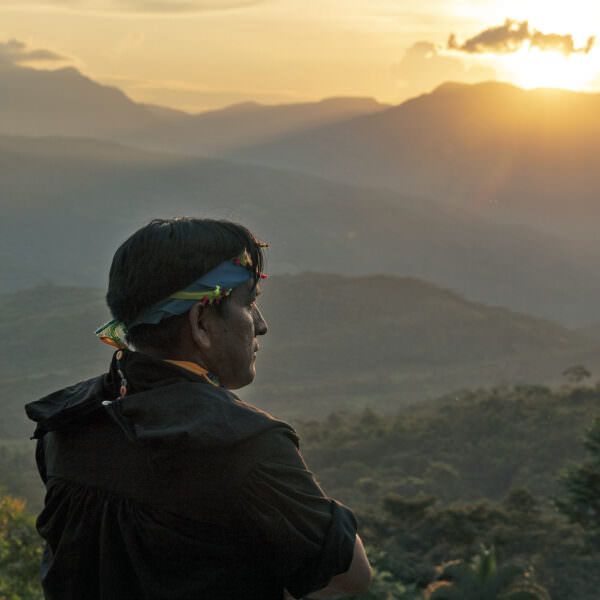
Indigenous peoples and local communities have an unsurpassed connection to the Earth's forests.
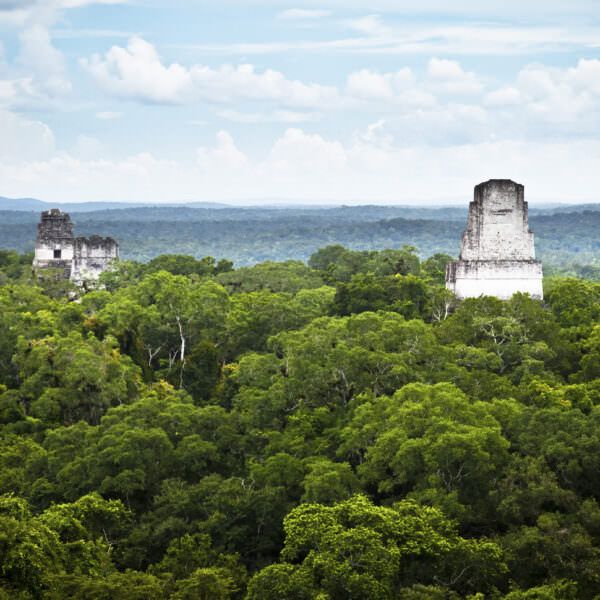
The forest concessions of the Maya Biosphere Reserve have boasted a near-zero deforestation rate for 20 years.
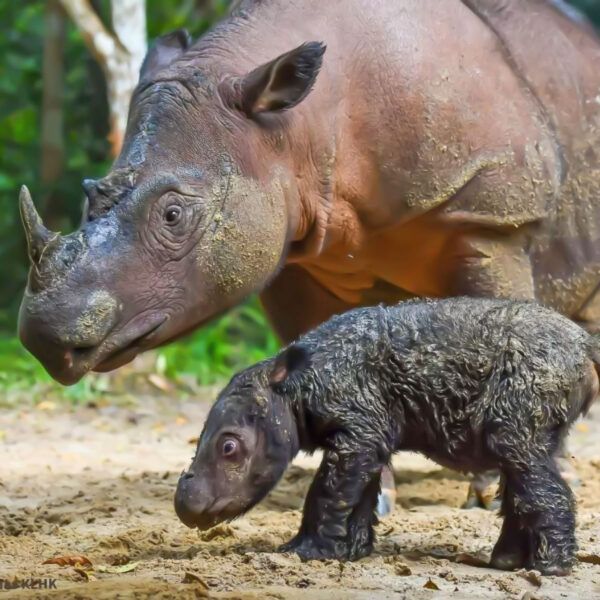
We're training coffee farmers in the Bukit Barisan Selatan National Park buffer zone to help them conserve biodiversity and improve their livelihoods.

In this brief, the case of Mexican community forestry is presented, with a special focus on the diversity of local enterprises and inter-community associations that have developed over the past twenty-five years, as well as an assessment of some of the main regulatory barriers that communities face in undertaking legal forest harvesting.
Helping to protect mammals, birds, snakes, lizards and spiders can be as simple as enjoying your morning cup of coffee.
Loc Bac State Operating Company (SOC) manages 34,851 ha of broadleaf and conifer forest. They currently operate 25 year re-entry rotational harvesting on an area of 4,704 ha (an average of 134 ha yr-1). Current harvest levels and practices are heavy regulated by government decisions and quotas. The Loc Bac SOC is part of a […]
Sustainable management of the world’s natural resources is shifting from an option to a vital necessity. Increasing evidence attests to the fact that sustainable resource management practices can promote economic development and livelihood improvement for communities. This case study adds to this growing of body of evidence by profiling the work of Rainforest Alliance assisting […]
Technical Assistance and New Market Access for Community Forest Enterprises in the Rio Plátano Biosphere Reserve, Honduras Applying the principles of sustainable forest management and sound business practices, by 2008 the twelve participating cooperatives had achieved remarkable successes in increasing their productivity, enterprise competitiveness and overall income. The below points summarize the most significant gains: Sustained […]
This report describes work undertaken to improve community forest enterprise competitiveness in Mexico as a means to local economic development and forest conservation. Over a three-year period, the Rainforest Alliance facilitated increased investment while providing technical assistance in value-added processing for a medium-sized indigenous community forestry operation in the northern state of Durango. As a […]