The World’s Best Forest Guardians: Indigenous Peoples
Indigenous peoples and local communities have an unsurpassed connection to the Earth's forests.
Indigenous people have lived from the forest since time immemorial, using its resources sparingly and carefully so that it might continue to produce its riches. What the Rainforest Alliance brings to this age-old model are the tools and support to make it economically viable in today’s world. We connect local and indigenous communities with markets, provide technical and business support, and work to improve human well-being—all while conserving the forest.
This page features information about the Rainforest Alliance's work to promote community forestry and links to all our related content and resources.
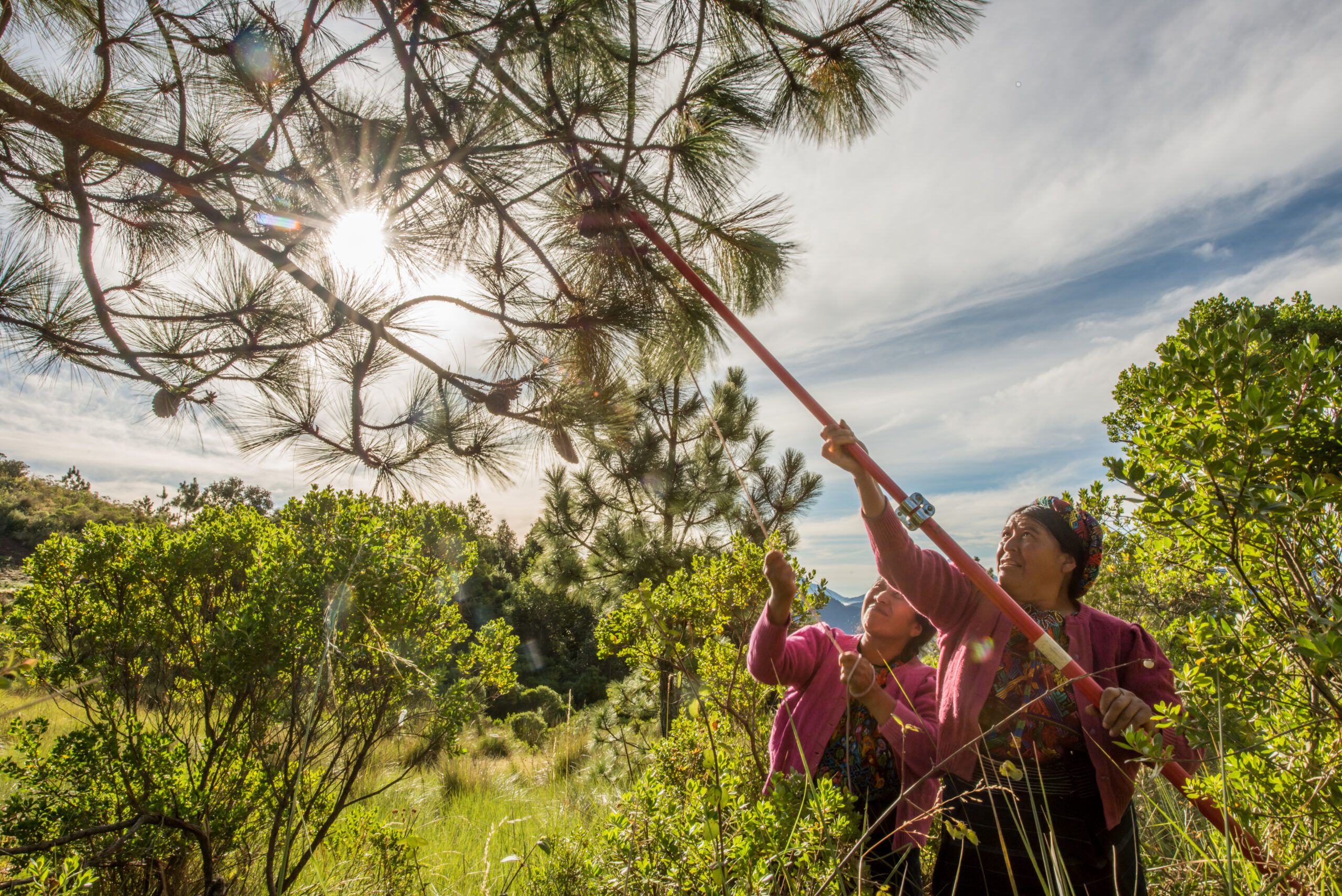
Working with forest communities, governments, companies, and civil society organizations, we promote more sustainable forest management practices throughout the tropics. We provide training, tools, and knowledge to communities; promote youth inclusion and gender equality; work to increase forest cover, biodiversity, and carbon capture; promote secured rights to forests; and provide access to alliances, finance, and markets, so that forest communities—and forests—may thrive.
This paper outlines our principles and strategies for stopping forest degradation and supporting forest communities in vulnerable tropical regions.
Our Kleinhans Fellowship supports research that seeks solutions to the challenges faced by the community forestry model.
Our Forest Allies initiative leverages the enormous power of our partnerships to support forest communities as they address the climate crisis and combat deforestation.
This paper summarizes our lessons learnt from twenty years of global experience in community forestry.
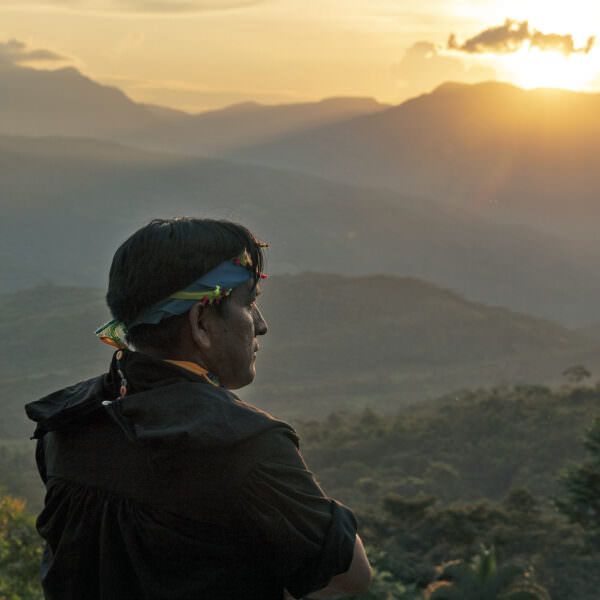
Indigenous peoples and local communities have an unsurpassed connection to the Earth's forests.
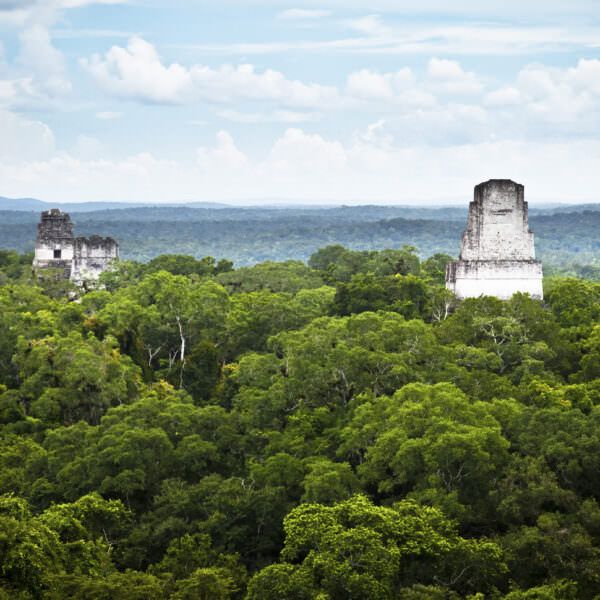
The forest concessions of the Maya Biosphere Reserve have boasted a near-zero deforestation rate for 20 years.
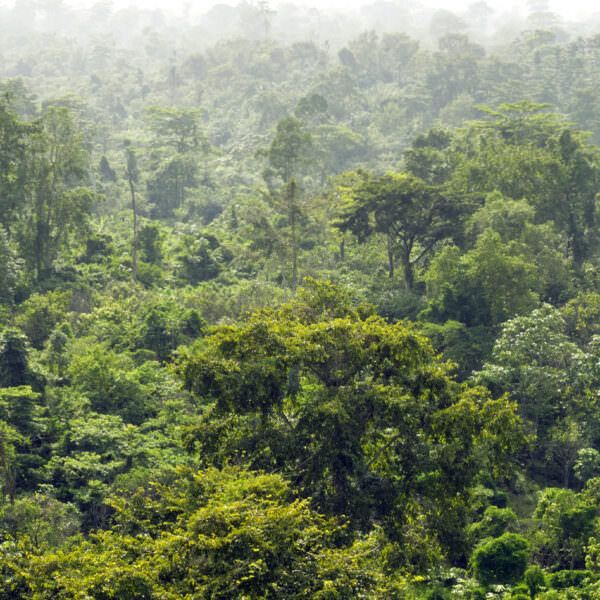
Sitting in the heart of the Congo Basin, the 36,000 square kilometer Salonga National Park (SNP) is the largest protected area of dense rainforest on the African continent.
We are working to grow Mexico’s domestic market for sustainably produced products.

A Case Study of Work with Tres Islas Native Community (Madre de Dios, Peru) The last two decades have seen a marked shift towards decentralized forest management in developing countries. Upwards of 30 percent of forests in the tropics is now under some form of local control (RRI 2014). Most of this area is located in […]
A Case Study of Communities in The Maya Biosphere Reserve, (Petén, Guatemala) Expanding markets for lesser-known species (LKS) has long been identified as a key need to increase the competitiveness of community forest enterprise (CFE), especially in the tropics. A production focus on a single or small range of forest species with strong market demand […]
A Case Study of Work with Forestry Concessions In the Maya Biosphere Reserve (Petén, Guatemala) Lack of access to finance is widely cited as a critical bottleneck to improving the competitiveness of community forest enterprises (CFEs). Having capital on hand beyond the rather small savings that most CFEs have is essential to cover annual planning […]
A Case Study of Ejido El Largo y Anexos, (Chihuahua, Mexico) Mexico has what is probably the most advanced community forestry sector on earth. More than 60 percent of the nation’s forestland is owned by rural communities. This is largely the legacy of agrarian reform born out of the Mexican Revolution and implemented in successive […]
As one of the only such projects in the world that is building on community-based production forestry and enterprise, GuateCarbon is generating important lessons with global significance.
In this brief, the case of Mexican community forestry is presented, with a special focus on the diversity of local enterprises and inter-community associations that have developed over the past twenty-five years, as well as an assessment of some of the main regulatory barriers that communities face in undertaking legal forest harvesting.