We understand that cost is an important factor when considering Rainforest Alliance certification. While costs vary depending on your work and your needs, this page gives you an overview of certification costs for farmers and companies.
Cost of Rainforest Alliance certification for farmers
Farmers pay for audit services from the certification body of their choice. The Rainforest Alliance does not regulate these costs. The fees vary significantly depending on the size of the farm and location. Smallholders may want to organize and seek certification as a group to reduce expenses.
Farmers are also responsible for covering all costs associated with meeting the Sustainable Agriculture Standard. These costs may include: removing parts of their farm from production to comply with buffer-zone widths, implementing new management practices, or building new infrastructure. The Rainforest Alliance offers technical support to help farmers on the path towards certification. Contact a local Rainforest Alliance representative or trainer.
Costs for companies
Rainforest Alliance certification comes with many benefits for companies. We provide systems to trace and verify certified products throughout the supply chain. We develop certification policies and standards, manage a certification database and a quality control system for certification bodies, and manage complaints and appeals. We offer field training and technical support to farmers, and we engage in advocacy activities to encourage sustainable government policies and programs. We also promote the Rainforest Alliance certification seal in the marketplace, measure its impact, and create communications tools to raise public awareness and support companies in their marketing efforts.
There are three costs for companies, when applicable:
- Companies whose Supply Chain Risk Assessment (SCRA) results indicate that they require an audit must pay for supply chain audit fees from the Rainforest Alliance authorized certification body of their choice. The Rainforest Alliance does not regulate these costs. The fees vary significantly depending on the locations, size and complexity of the company’s operations. Companies whose SCRA indicates “very low risk” will receive an Endorsement and are not required to have an audit, in that case audit fees do not apply.
- Premium payments. Under the Rainforest Alliance’s evolving shared responsibility model, we have merged investments previously made through both the Sustainability Differential (SD) and Sustainability Investment (SI) into a single premium payment by volume. This premium is paid to farmers by their buyer, brand owner, or importer (depending on the crop) to reward them for implementing more sustainable farming practices and achieving certification. The premium is negotiable in most crops (except cocoa, where a minimum premium per metric ton of cocoa bean is mandated) and is paid on top of the market price—separately from any quality premiums or differentials. The Rainforest Alliance does not gain any revenue or fees associated with companies paying premiums. Reporting on premium payments (volume and amount) is mandatory, regardless of the premium’s size, to ensure transparency and enable impact monitoring.
- A volume-based royalty to the Rainforest Alliance, once in each supply chain, based on the volume of certified goods purchased. The Rainforest Alliance License Agreement General Terms & Conditions outline the total amount of the royalty per certified product, how it is collected, and at which point in the supply chain it is invoiced. Royalties are applicable whenever companies claim that a crop is purchased from a Rainforest Alliance Certified farm, or sell it, “as certified”. This happens whether the claim is on a product, on packaging, in a contract or invoice, or on promotional materials or off line, regardless of whether our seal or other marks are used.
Royalty by crop
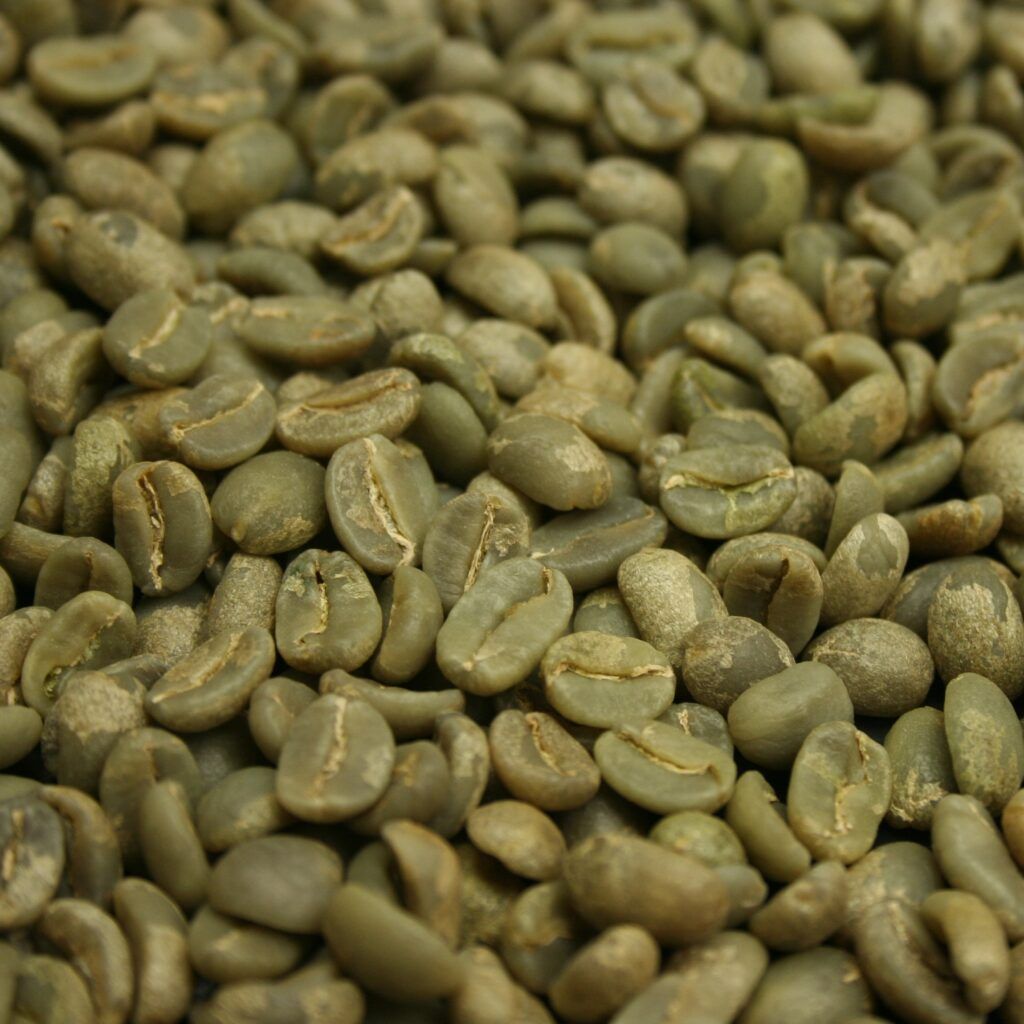
Coffee
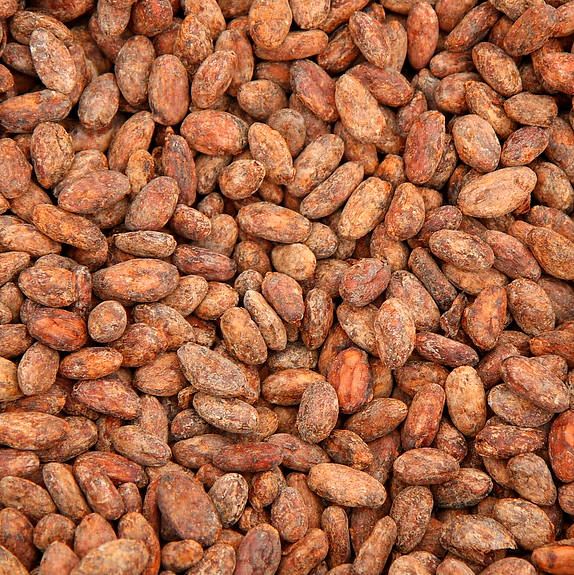
Cocoa
Tea
Vanilla
Saffron
Herbs, spices & herbal tea ingredients
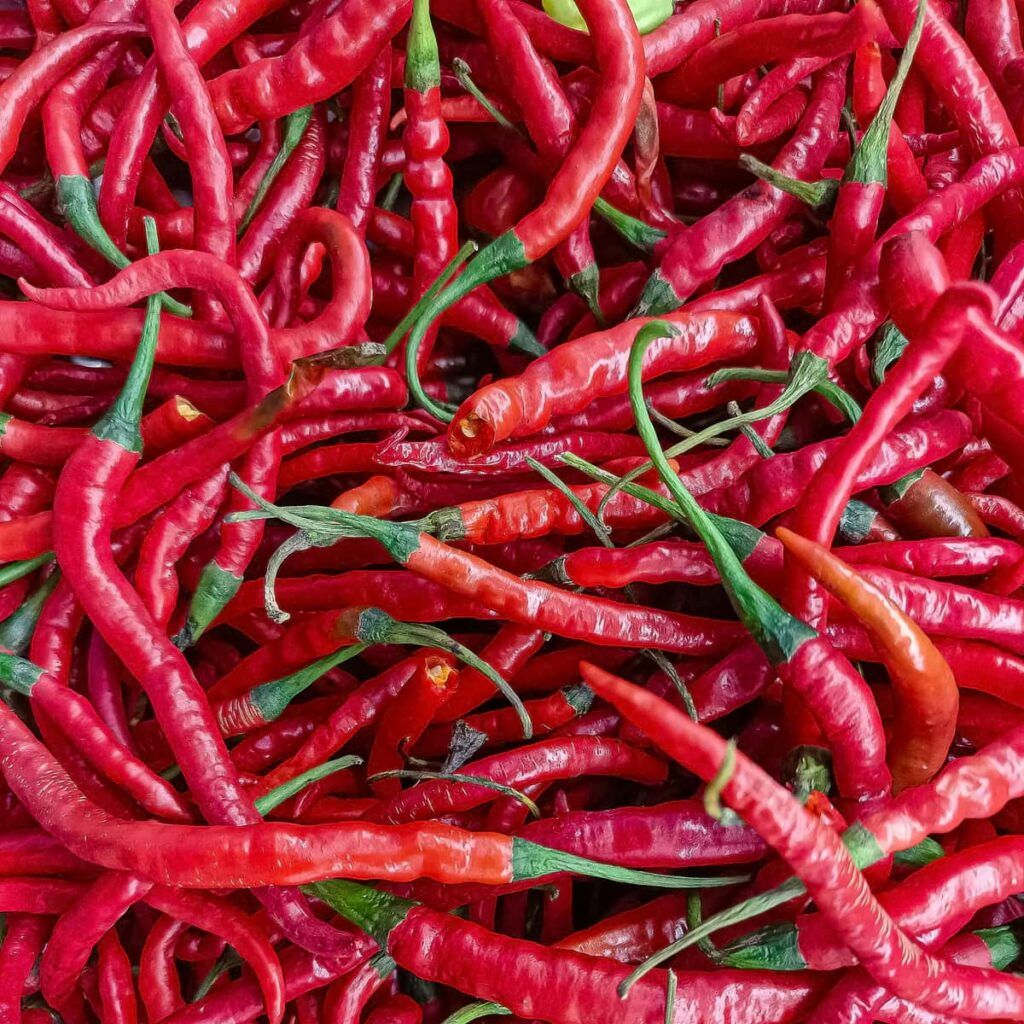
Fresh chili / chili mash
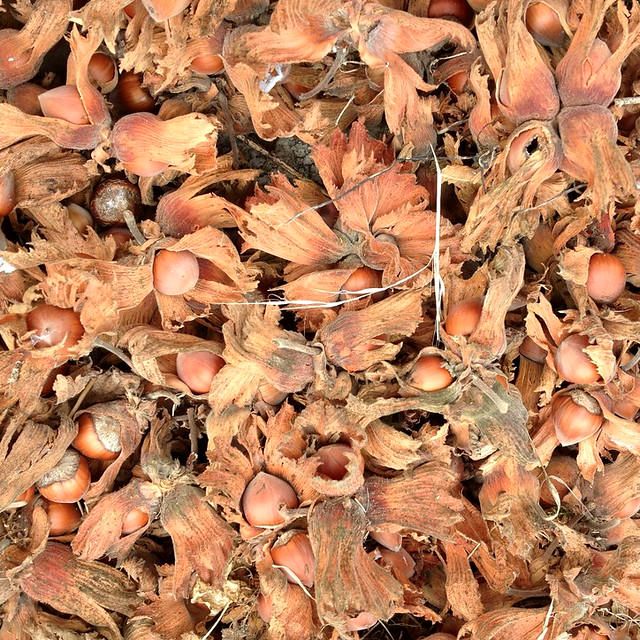
Hazelnut
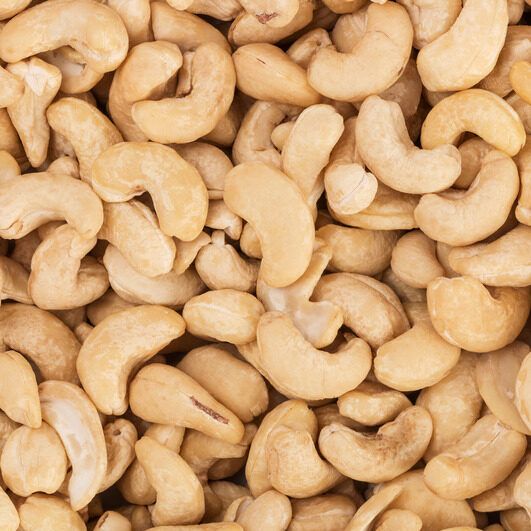
Cashew
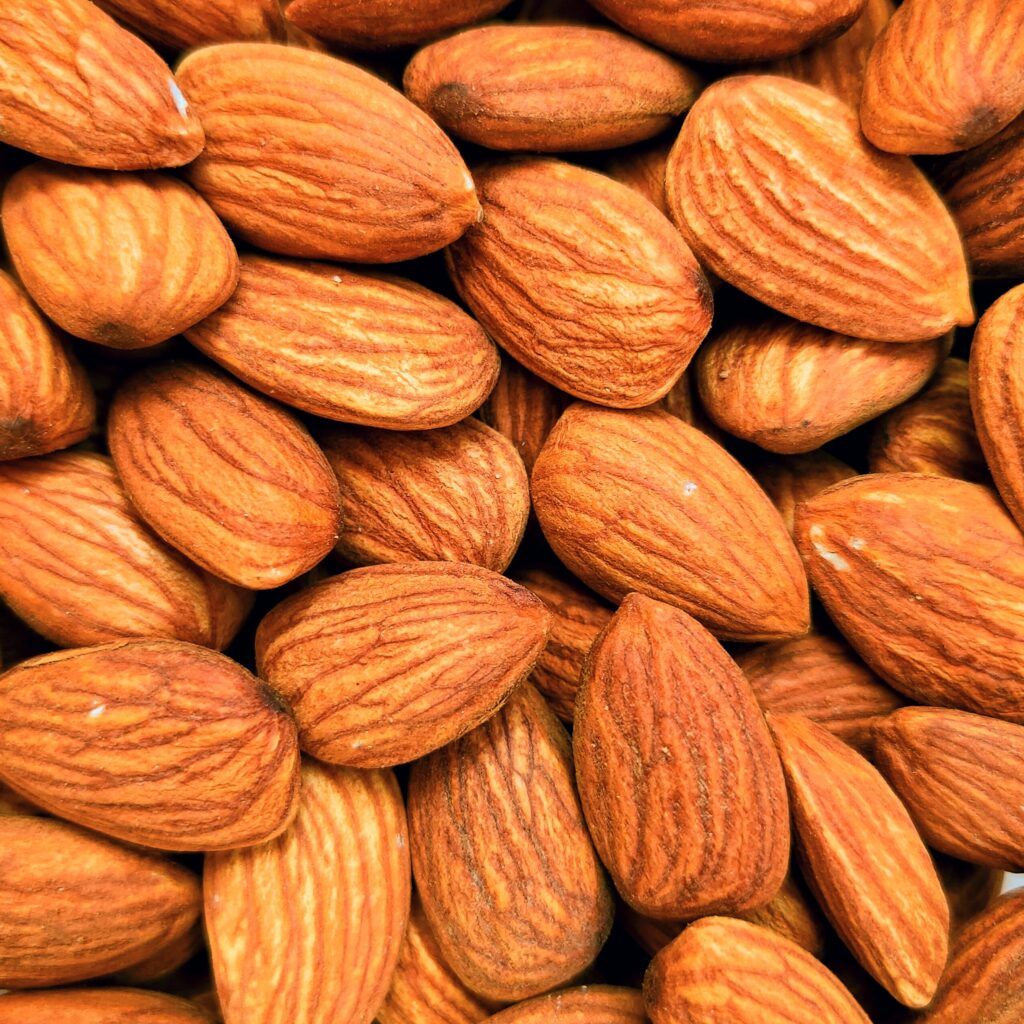
Almond
Macadamia, pecan, peanut, and pistachio
Bananas
Orange juice
Banana puree
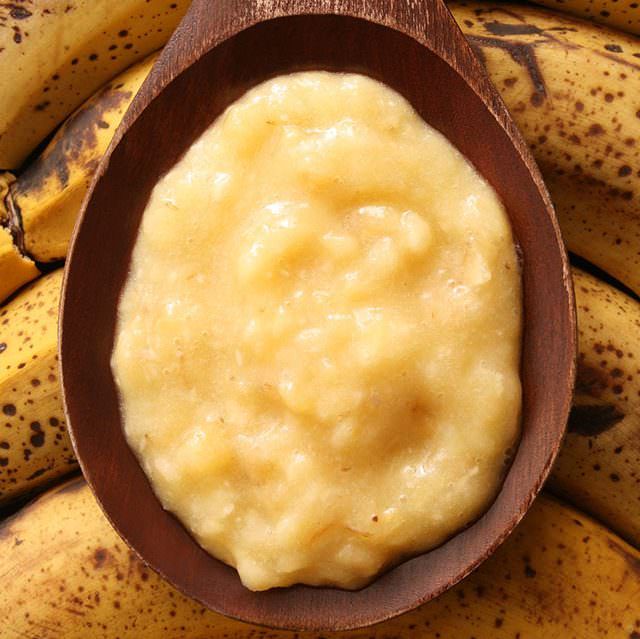
Other processed fruit (juices and purees)
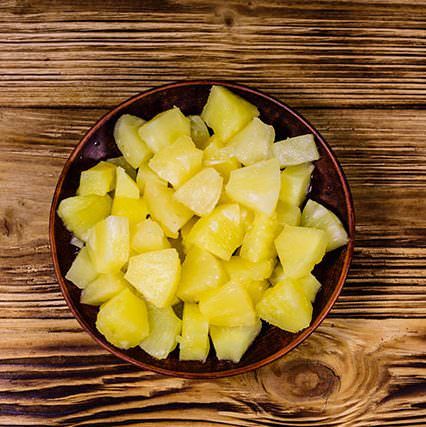
Canned pineapple
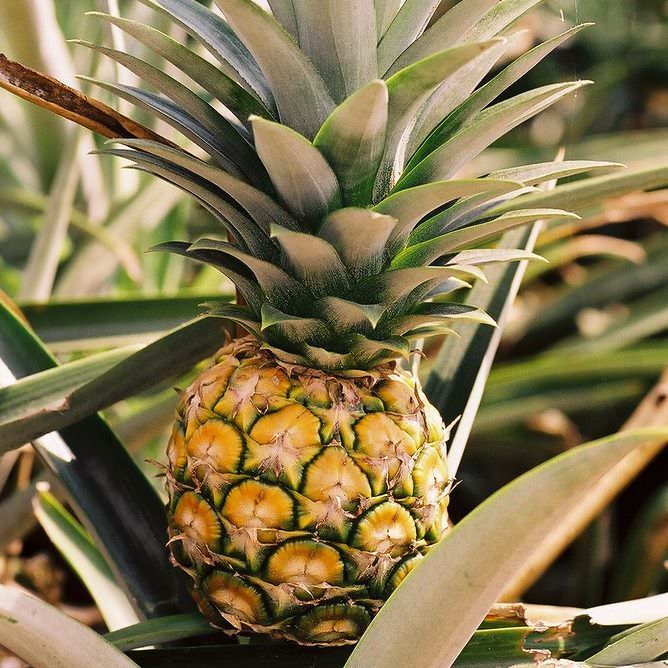
Fresh pineapple
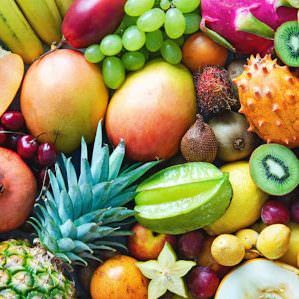
Other fresh fruit
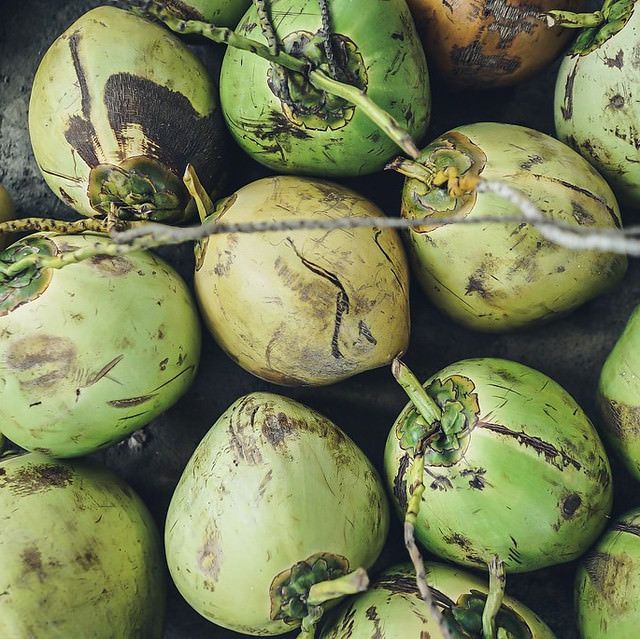
Coconut oil
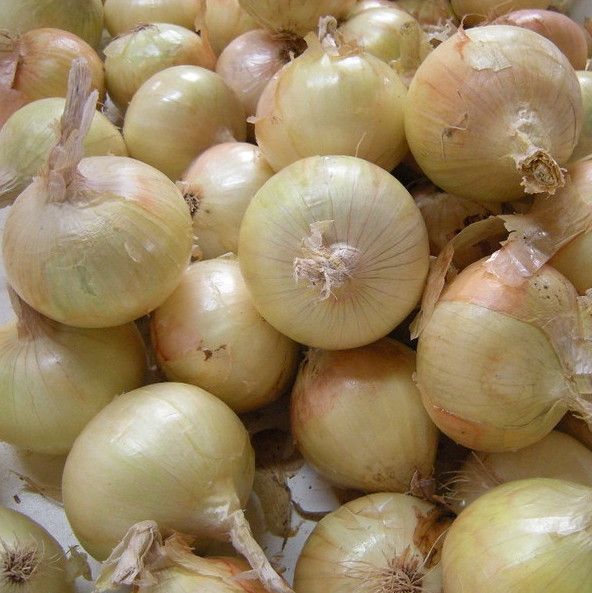
Vegetables
For more information about our royalty, please refer to the Royalty Schedule within the Rainforest Alliance License Agreement General Terms and Conditions.