Strengthening Worker Rights and Well-Being in Agriculture
Through certification, landscape and community programs, tailored supply chain services, and advocacy, we are helping to protect and promote the rights of farmworkers around the world.
The production of many commonly traded goods—coffee, chocolate, tea, bananas, palm oil, and timber—often involves human rights abuses. While progress has been made in recent years, thorny problems such as child labor, forced labor, poor working conditions, low wages, gender inequality, and the violation of Indigenous land rights are still embedded in many supply chains.
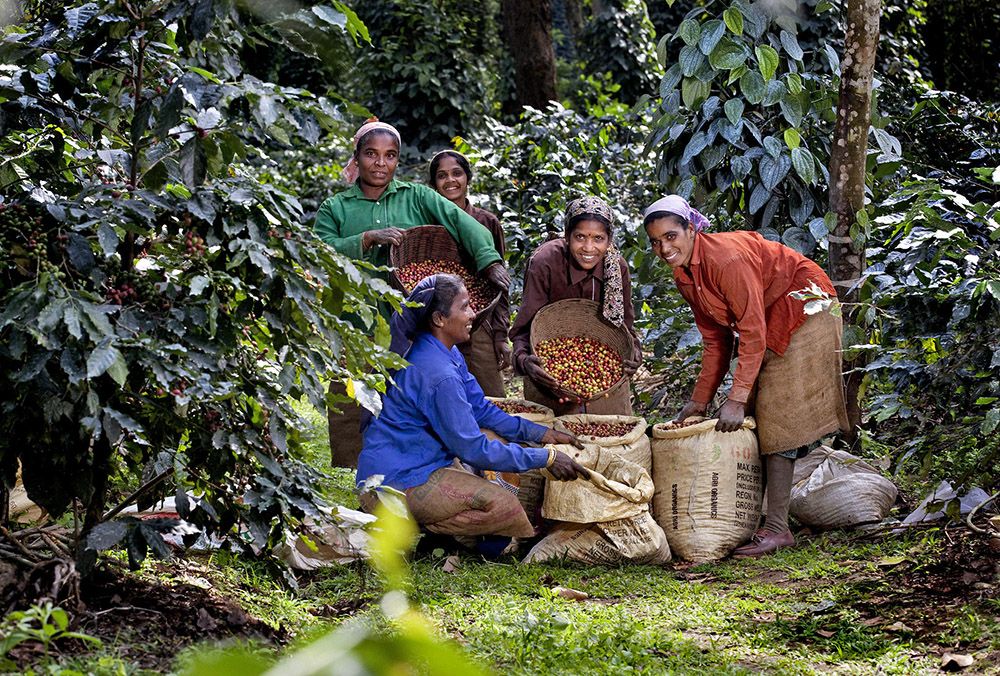
Advancing the rights of rural people goes hand-in-hand with improving planetary health. Project Drawdown cites gender equality, for instance, as one of the top climate solutions, and in our own work, we have seen that farmers and forest communities can better steward their land when their human rights are respected. Everyone deserves to live and work with dignity, agency, and self-determination—and promoting the rights of rural people is key to a sustainable future.
Improving lives and promoting rights of rural communities is a central part of our mission. Our field results, backed by independent studies, demonstrate, for instance, that workers on certified farms are more likely to enjoy better working conditions and important protections.

of workers on Rainforest Alliance Certified tea estates in Tamil Nadu, India, receive paid annual and sick leave*
In Tamil Nadu, India, a study of 300 farmworkers on seven Rainforest Alliance Certified tea estates and one noncertified estate found a significantly higher percentage of workers on certified estates had contracts and annual paid leave, sick leave, and maternity leave.
*Source: Lalitha N, Nelson V, Martin A, Posthumus H. 2013. Assessing the poverty impact of sustainability standards: Indian tea. Natural Resources Institute, University of Greenwich, London.

of Rainforest Alliance Certified banana farms studied in Colombia have a health and safety professional for their workers*
A study of 13 newly certified banana plantations in Colombia found health and safety professionals to be practicing on all the farms. These professionals identify risks, conduct trainings, and facilitate medical exams. 50 percent more managers on certified farms than non-certified also reported providing in-kind health benefits to permanent workers.
*Based on 2018 survey of newly certified farms in Colombia (Beekman, G. M. Dekkers, and T. Koster (2019). Towards a sustainable banana supply chain in Colombia; Rainforest Alliance certification and economic, social and environmental conditions on small-scale banana plantations in Magdalena, Colombia. Wageningen, Wageningen Economic Research, Report 2019-019: 1-49)
The Rainforest Alliance brings together producers, companies, governments, nonprofit organizations, and consumers to advance human rights in the landscapes where we work. We work both to transform business practices and government policy, as well as promote the rights of our partner communities within our certification system and sustainable development initiatives.
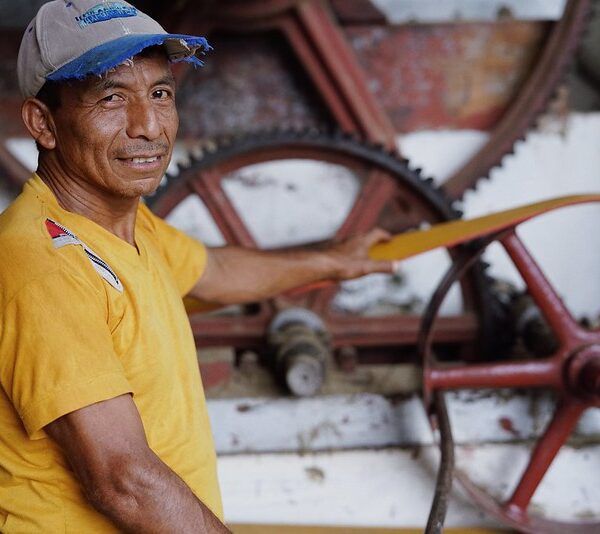
Through certification, landscape and community programs, tailored supply chain services, and advocacy, we are helping to protect and promote the rights of farmworkers around the world.
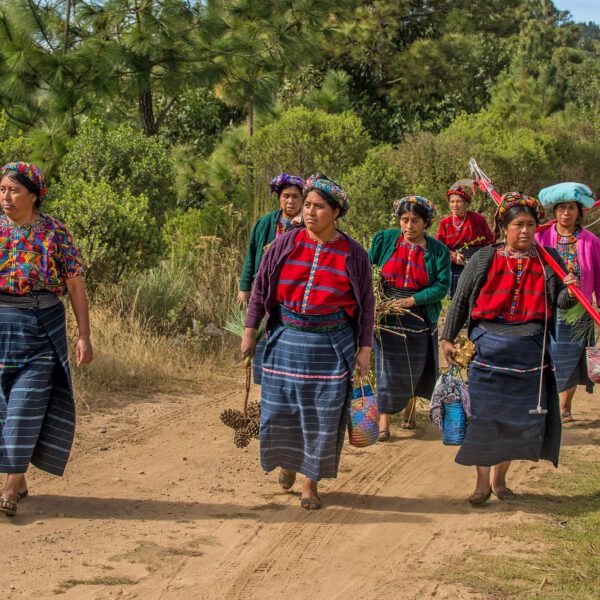
Addressing human rights abuses in agriculture and forestry is a key focus of our work to make responsible business the new normal.
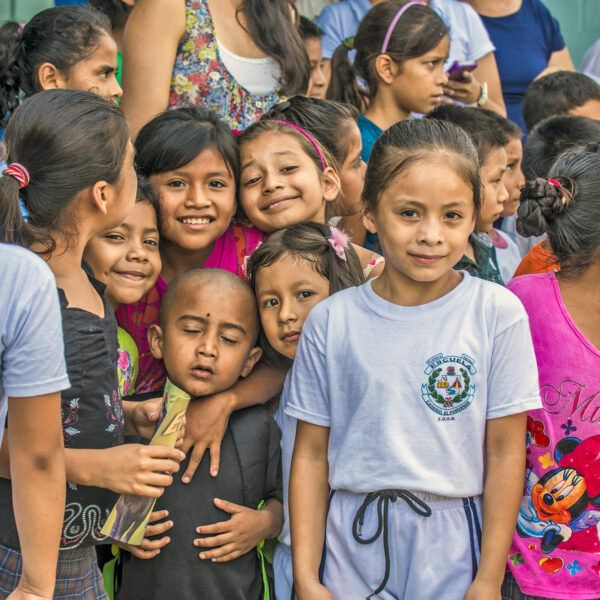
We can all play a crucial role to ensure that all children grow up in dignity. So, who’s with us?
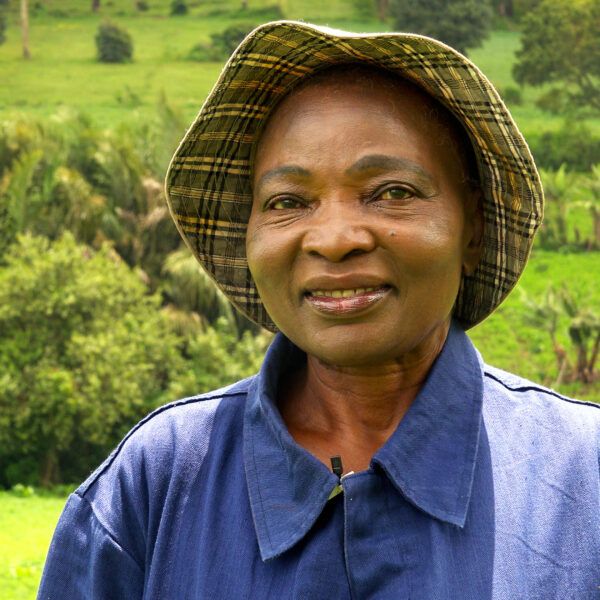
Meet 5 incredible women in sustainability who have successfully transformed their communities and the landscapes around them.

The purpose of this study is to support tourism companies in Peru and Ecuador, especially those with a focus on sustainable tourism, on how to access the European market. While the content of the study is geared towards the conditions in Peru and Ecuador, readers from other Latin American countries may also find the information […]
One of the leading bodies in conservation and sustainable agriculture, the Rainforest Alliance, is calling on the government of Brazil to reaffirm its commitment to indigenous peoples and save the agency which protects the rights of such communities. A powerful congressional commission in Brazil, with links to the farming lobby, is recommending dismantling the country’s […]
The SAN/Rainforest Alliance cocoa program has grown rapidly over the past five years, with just under 1 million hectares of cocoa farmland in 15 countries achieving SAN/Rainforest Alliance certification by the end of 2016. SAN/Rainforest Alliance Certified cocoa now composes 13.4 percent of the world’s cocoa supply, with increasing numbers of commitments by large cocoa […]
Using traditional indigenous knowledge, data, and best practices for a sustainable tamshi harvest.... Continue Reading
After decades of struggle for land rights, Peru’s indigenous communities now own approximately 15 million hectares of the country’s roughly 70 million hectares of mega-diverse Amazon forestlands. While securing rights is a key first step, tenure alone will not keep forests standing. Growing global demand for gold, petroleum, cocoa, timber, and oil palm is causing widespread deforestation and environmental degradation in indigenous territories. Expansion of these industries–typically without...... Continue Reading
Impact investment advisor AlphaSource announced today that they have teamed up with conservation NGO the Rainforest Alliance; wildlife and forest protection experts Wildlife Works; and the newly-formed environmental product marketing company Everland; in an ambitious plan to protect vast tracts of critically endangered forests across the globe. The consortium aims to develop and fund comprehensive […]