Thriving Communities, Healthy Landscapes
We're helping more than two million farmers embrace more sustainable growing practices that can help build resilience to climate change and boost yields.... Continue Reading
Across the tropics, farming and forest communities face a daily struggle to cover life’s basic needs. Breaking the cycle of rural poverty—and tackling the ensuing impacts for people and nature—is critical for a more sustainable future for us all.
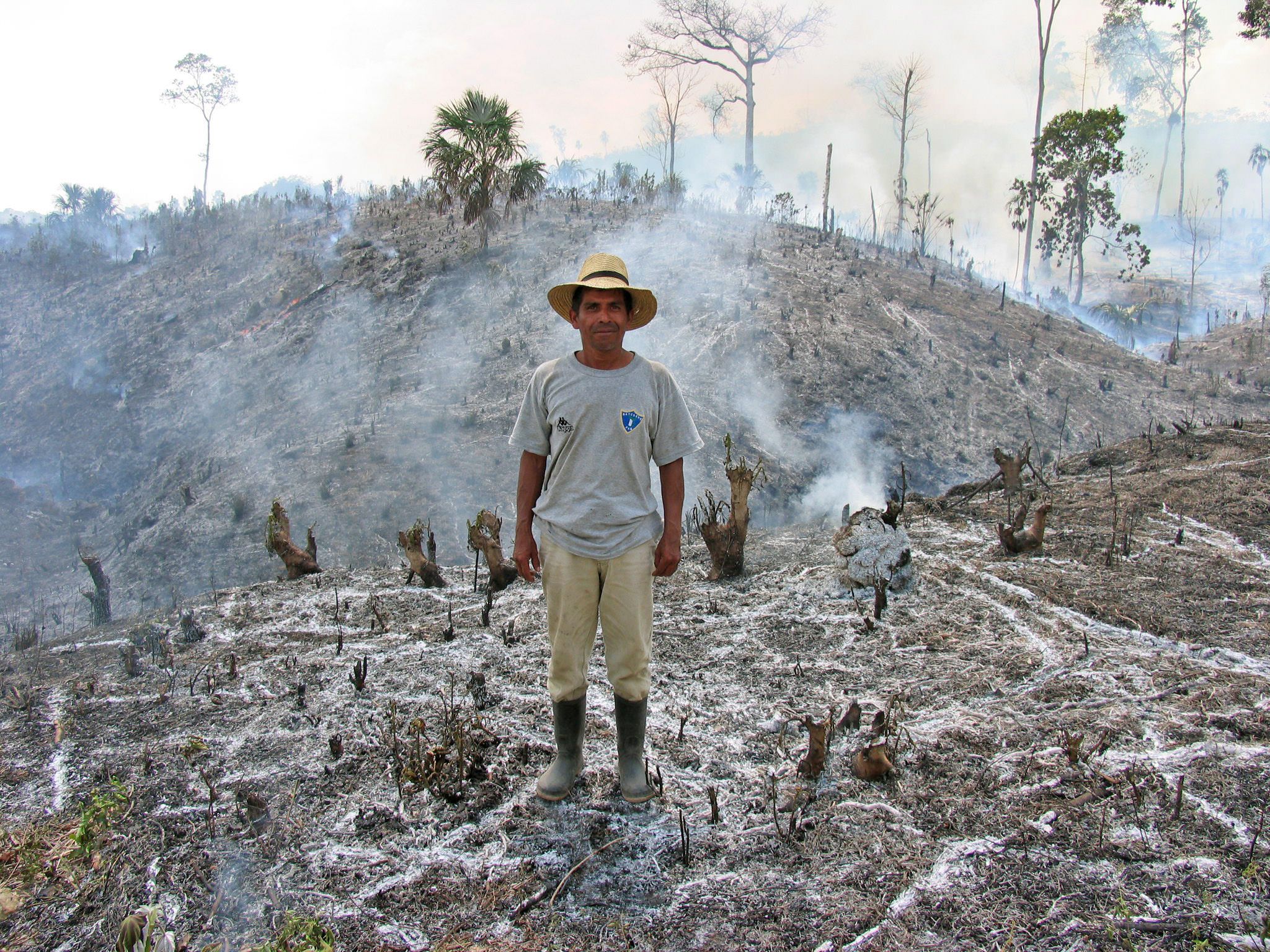
Rural poverty is at the root of many of our most pressing global challenges, from child labor and poor working conditions to deforestation for agricultural expansion. Economic desperation exacerbates these complex issues, which are deeply embedded in global supply chains. The result is a vicious cycle of environmental destruction and human suffering.
The Rainforest Alliance partners with frontline communities to build thriving rural economies rooted in more sustainable growing practices and forest stewardship. We also promote responsible business practices to ensure that companies recognize and reward sustainability transformation—in the field as well as the boardroom.
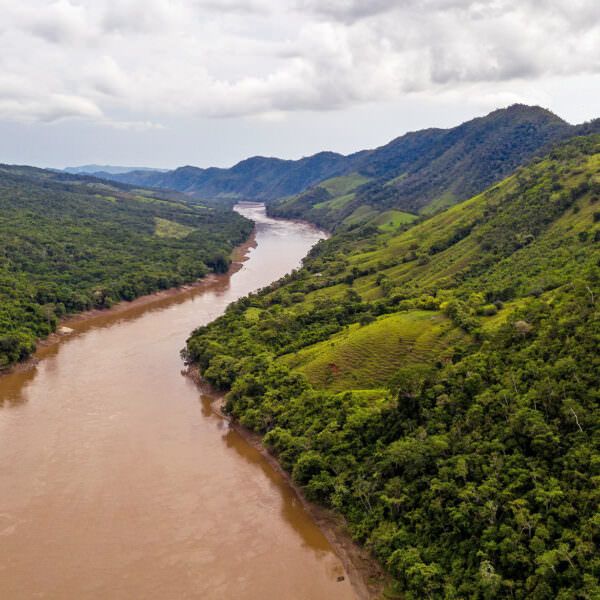
We're helping more than two million farmers embrace more sustainable growing practices that can help build resilience to climate change and boost yields.... Continue Reading
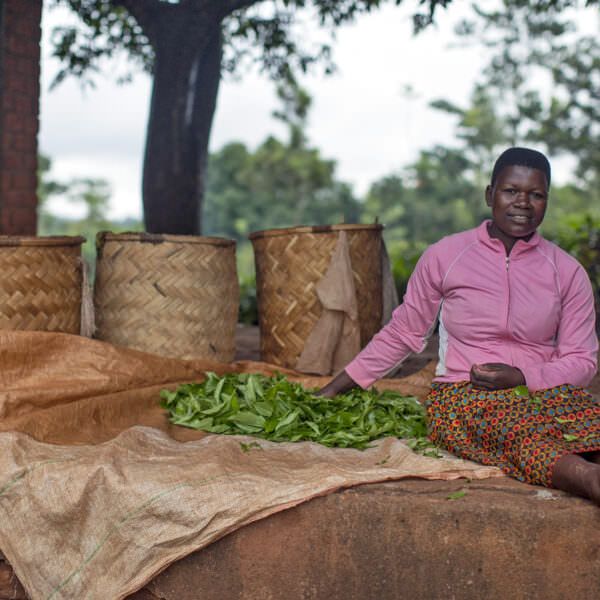
To improve rural livelihoods, we foster deep collaboration between farmers, civil society organizations, companies, and governments.... Continue Reading
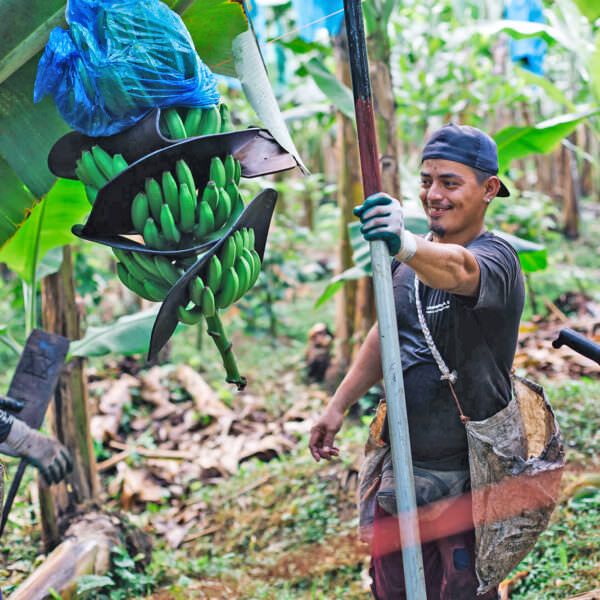
The Rainforest Alliance believes that workers around the world should be paid enough money to provide a decent life for themselves and their families.... Continue Reading
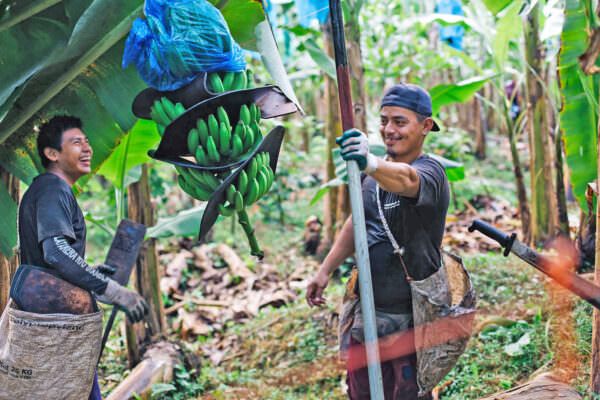
The Rainforest Alliance believes that workers around the world should be paid enough money to provide a decent life for themselves and their families.... Continue Reading

Bananas as a commodity have a tumultuous history, particularly when it comes to labor practices and environmental degradation. While there have been many improvements over the last few decades, trade unions and NGOs continue to report concerns, including that low wages on plantations are insufficient for workers and their families to achieve a decent standard […]
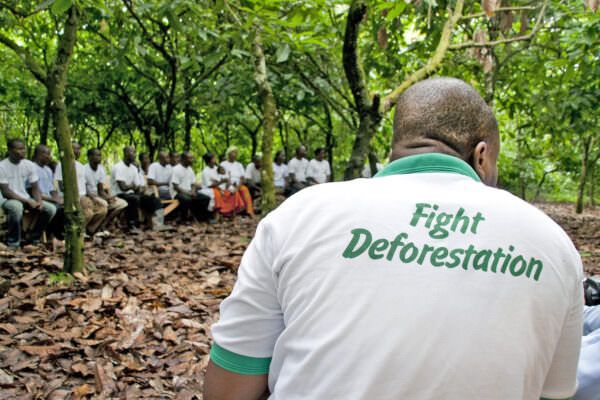
A community-led Land Management Board has made sustainable, climate-smart farming the norm.... Continue Reading
The Rainforest Alliance hosted its sixteenth annual Sustainable Coffee Breakfast at the Specialty Coffee Association Global Expo in Seattle on April 20, 2018. For 31 years, the Rainforest Alliance has been a global leader in the conservation of forests and natural resources while helping to advance sustainable livelihoods. An important focus of our work is […]
The Rainforest Alliance lead a project to mainstream sustainable tea production in India, China, Vietnam, and Sri Lanka.... Continue Reading
The Rainforest Alliance Farmer Training App offers an interesting example of using digital technologies to increase farmer knowledge, connect farmers into peer-sharing networks and promote sustainable agricultural practices. In 2014, the Rainforest Alliance piloted a digital platform among 600 smallholders in Guatemala as a proof of concept for using technology to improve communication and information […]