Our Mission to Protect the World’s Forests
We are working in 60+ countries to build sustainable, rural economies—a proven strategy to keep our forests standing.... Continue Reading
Forests are critical to every living thing on Earth. Not only do they give us clean air, shelter, and rain, they house 80 percent of the world’s terrestrial biodiversity. Alarmingly, humans have destroyed half of the world’s tropical forests and driven extinction rates up thousands of times higher than what is natural.
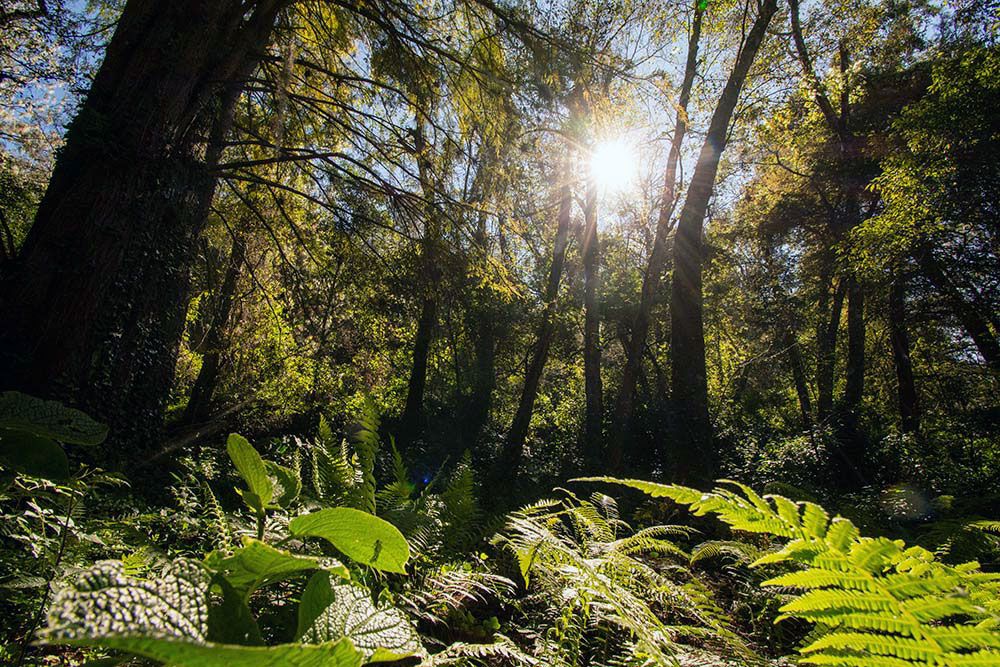
Forests are a powerful natural climate solution. As trees grow, they absorb and store carbon emissions, while releasing oxygen into the atmosphere. Conserving forests could cut an estimated 7 billion metric tons of carbon dioxide each year—the equivalent of getting rid of every car on the planet.
Together with forest and farming communities, Indigenous leaders, companies, governments, and global citizens, the Rainforest Alliance works in 58 countries to promote more sustainable land management practices while cultivating thriving rural economies—the most widely proven strategy to restore biodiversity and keep our tropical forests standing.
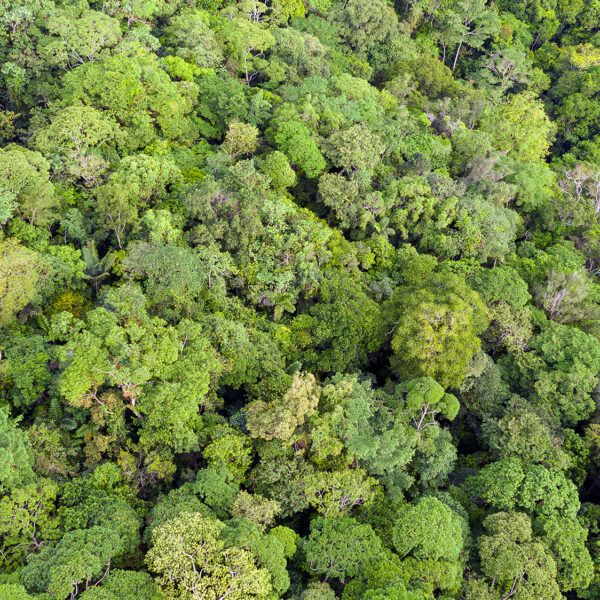
We are working in 60+ countries to build sustainable, rural economies—a proven strategy to keep our forests standing.... Continue Reading
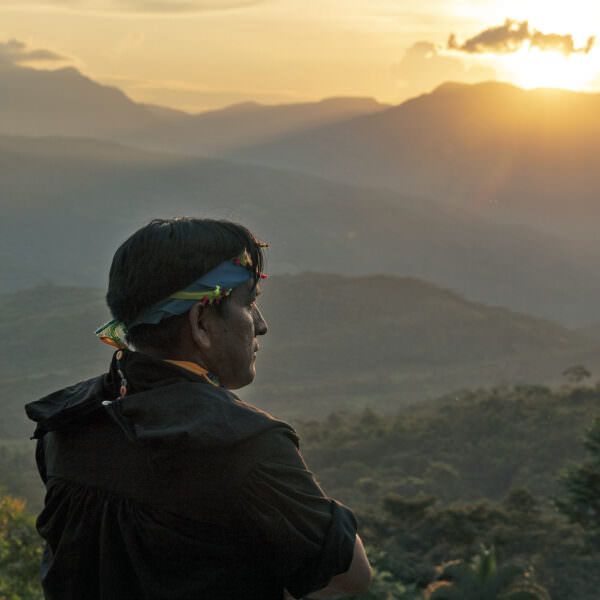
Indigenous peoples and local communities have an unsurpassed connection to the Earth's forests. ... Continue Reading
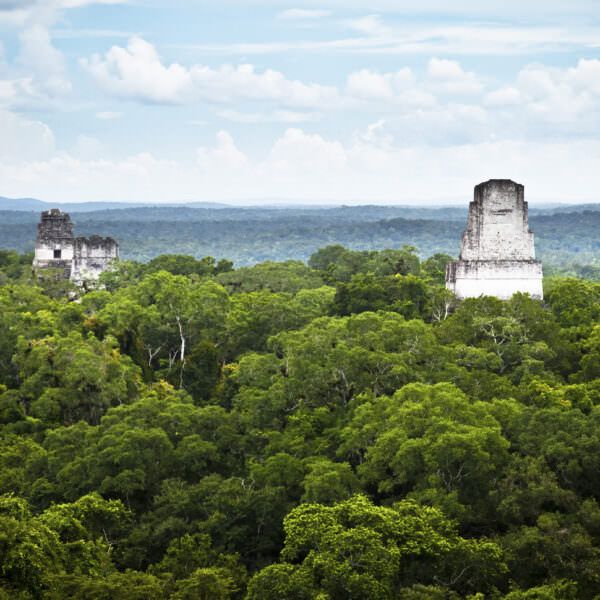
The forest concessions of the Maya Biosphere Reserve have boasted a near-zero deforestation rate for 20 years.... Continue Reading
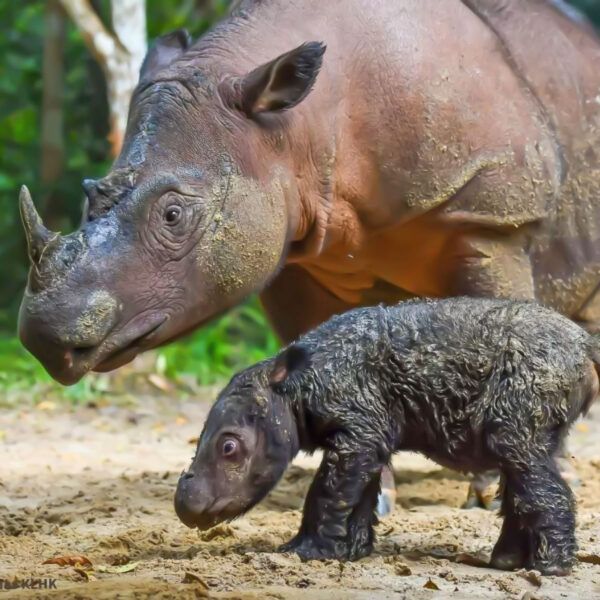
We're training coffee farmers in the Bukit Barisan Selatan National Park buffer zone to help them conserve biodiversity and improve their livelihoods.... Continue Reading
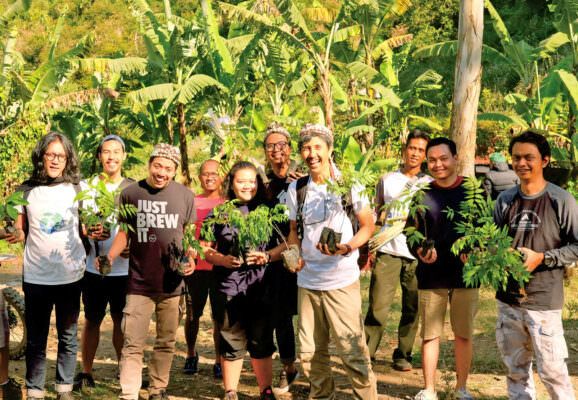
A group of locals in West Java, Indonesia turned tragedy into conservation success.... Continue Reading
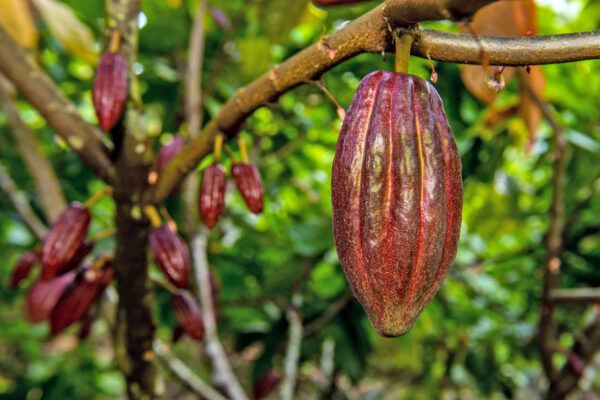
We're helping farmers increase their incomes and conserve a precious ecosystem.... Continue Reading
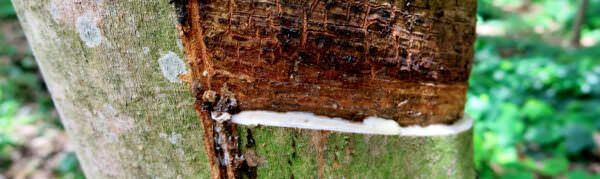
We're working to build responsible natural rubber supply chains.... Continue Reading
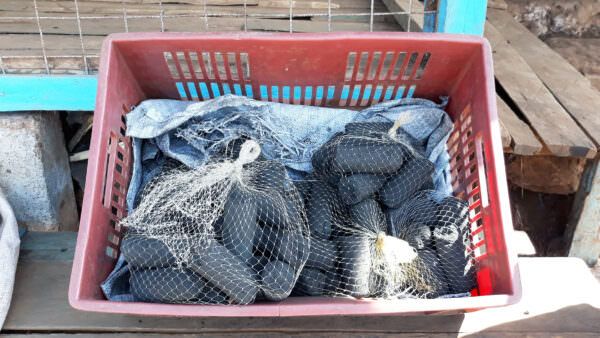
We're helping Kenyans switch to renewable energy made from waste material.... Continue Reading
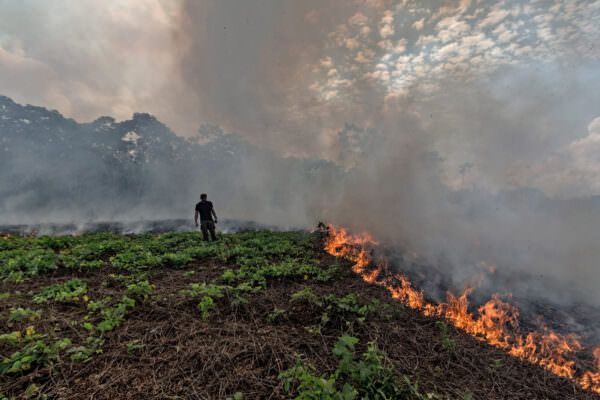
Deforestation causes about 10 percent of global emissions. ... Continue Reading

In the Mesoamerican region, the Rainforest Alliance develops projects that promote the production and sale of sustainable products from the forest and agricultural activities, integrating men and women into productive activities for the generation of economic, social, and environmental benefits. Its main objective is to increase the competitiveness, sustainability, and access to markets of agricultural […]